Choosing Solar Panels: A Comprehensive Guide to Making the Best Choice for Your Canadian Home
Discover the benefits of installing solar panels in Canada with our comprehensive guide on finding the right option for your home. Explore various types of solar panels available and learn about factors to consider when choosing the best fit for your energy needs.
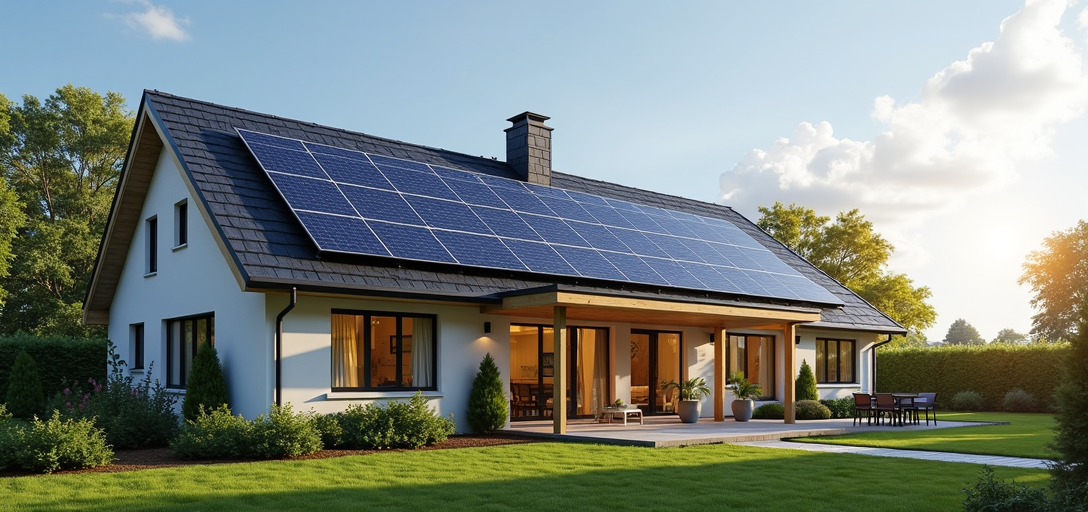
Understanding Solar Panels for Canadian Homes
Embracing solar energy is a strategic move towards sustainability, especially for Canadian homeowners striving to reduce their carbon footprint and energy costs. In 2026, over 50% of Canadian households have expressed interest in adopting solar technology to capitalize on its environmental and economic benefits.
For homeowners looking to delve into solar energy, understanding the nuances of installation, local regulations, and the best technologies available is crucial to making an informed decision. This guide aims to demystify the process, help you find the right option for your home, and clarify how solar panels can enhance energy independence in Canada.
Benefits of Solar Panels in Canada
Environmental Impact
Solar panels provide significant environmental benefits by reducing reliance on fossil fuels and minimizing greenhouse gas emissions. Given Canada's commitment to achieving net-zero emissions by 2050, embracing solar energy is not only beneficial but a necessary step forward.
Economic Advantages
Financially, solar panels can significantly reduce electricity bills and provide a return on investment through savings and government incentives. The Canadian federal government and provincial programs offer tax credits and rebates to encourage solar adoption, aiding homeowners in making solar energy more affordable.
Energy Independence
By investing in solar panels, homeowners can generate their electricity, ensuring greater energy independence and resilience against rising energy costs. This autonomy is particularly appealing in remote areas with less access to traditional power grids.
How to Choose the Right Solar Panel System
Evaluate Your Energy Needs
Before investing in solar panels, it's crucial to assess your household’s energy consumption. Analyze past utility bills to understand your average energy usage. This data will help you determine the size of the solar panel system required to meet your needs.
Assess Roof Suitability
Your roof's condition, orientation, and shading are pivotal in the effectiveness of solar panels. Solar energy is most efficient on roofs that face south to maximize sunlight exposure. Additionally, assessing the structural integrity of your roof and potential shading from nearby trees or buildings is important before installation.
Explore Technology Options
Various types of solar panels are available in the market, each with unique characteristics:
- Monocrystalline Panels: Known for high efficiency and longer lifespan but generally are more expensive.
- Polycrystalline Panels: Slightly less efficient but more affordable, making them a popular choice.
- Thin-Film Panels: Lightweight and flexible but require more space for installation due to lower efficiency.
Consult with solar experts to determine the best technology for your specific situation and budget.
Navigating Solar Regulations and Incentives
Understanding Local Regulations
Regulations regarding solar panel installations vary across Canadian provinces. It's important to familiarize yourself with local guidelines and acquire the necessary permits. Consulting with local authorities or a reputable solar installer can help in adhering to compliance standards.
Leveraging Government Incentives
The Canadian government supports solar adoption through various incentives.
- Federal Tax Credit: Offers up to 30% of the system cost in tax credits.
- Provincial Rebates: Vary by province, offering rebates or low-interest loans to encourage solar energy use.
- Net Metering Programs: Allow homeowners to sell excess electricity back to the grid, reducing overall energy costs and providing potential income.
Staying informed about available programs and applying for relevant incentives can significantly decrease initial equipment and installation costs.
Installing Solar Panels: What to Expect
Selecting a Reputable Installer
Choosing a certified and experienced installer is paramount. Request multiple quotes, check customer reviews, and verify certifications before making a decision. Established companies often provide warranties and maintenance services, which can ensure quality and reliability.
The Installation Process
The installation process generally takes a few days to complete. It involves:
- Site Assessment: Evaluating your roof and electrical systems.
- Design and Approval: Customizing the system layout to optimize solar capture.
- Installation: Mounting panels on the roof and connecting them to the inverter and home power system.
- Inspection and Activation: Conducting final checks and turning the system on.
Maintenance and Longevity of Solar Panels
Solar panels require minimal upkeep but ensuring they remain clean and free of obstructions enhances their efficiency. Regular inspections and prompt addressing of potential issues can extend the lifespan of your solar panel system, which can last around 20-25 years.
Conclusion: Embrace the Benefits of Solar Energy
Choosing the right solar panel system for your home in Canada involves careful consideration of your energy needs, available technologies, local regulations, and incentives. By investing in solar panels, you not only make a positive environmental impact but also enhance your home's energy independence and financial savings.
For further insights and guidance, explore resources such as the Natural Resources Canada or reach out to local solar providers for personalized advice.