Choosing the Perfect Window Replacement: Options to Suit Your Needs
Choosing the right window replacement options can significantly affect your home's energy efficiency and aesthetics. With a variety of window replacement options available, it's important to understand the benefits and features each type offers to make an informed decision.
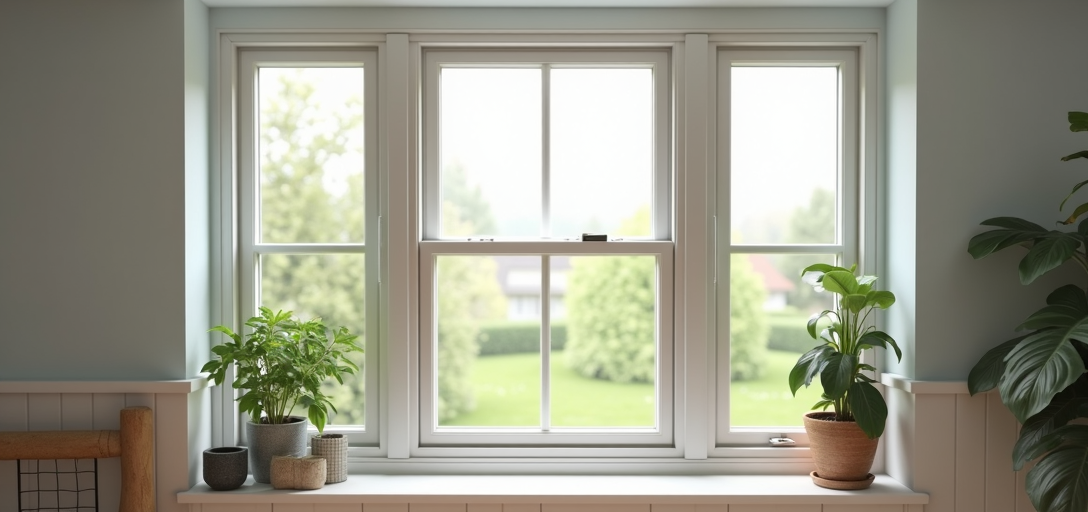
Understanding Window Replacement Options in Australia
When it comes to replacing windows in your home, there are various options available that can cater to your particular needs. From enhancing energy efficiency to boosting aesthetic appeal, understanding which window replacement options are right for you is essential. In this guide, we'll explore different types of window replacements, their benefits, and what to consider when making your decision.
Why Consider Window Replacement?
Replacing your windows can offer numerous advantages:
- Improved Energy Efficiency: Modern windows can significantly improve your home's insulation, reducing energy bills and carbon footprint.
- Enhanced Comfort: New windows can stabilize indoor temperatures, creating a more comfortable living environment.
- Aesthetic Appeal: Updated windows can modernize the look of your home, potentially increasing its value and curb appeal.
- Increased Safety: Newer windows often come with advanced locking mechanisms, contributing to better home security.
Types of Window Replacement Options
1. Single-Hung and Double-Hung Windows
These classic window styles are among the most common in Australian homes:
- Single-Hung: The upper sash is fixed while the lower sash slides up and down. They're typically more cost-effective and less complex, making them easy to maintain.
- Double-Hung: Both sashes can move. This feature allows better ventilation as both the top and bottom can open simultaneously. It also makes cleaning easier.
2. Casement Windows
Hinged on one side, casement windows open outward like a door. They are known for offering excellent ventilation and unobstructed views. Casement windows are ideal for areas where you want maximum airflow.
3. Awning Windows
Awning windows are hinged at the top and open outward. They are an excellent choice for rainy climates, allowing ventilation while keeping rain out. This style is often placed above or below fixed windows for added design flexibility.
4. Sliding Windows
Perfect for spaces with limited room for opening, sliding windows have panels that glide horizontally. They offer expansive views and easy operation, making them ideal for areas near walkways or patios.
Key Considerations for Window Replacement
Material Choices
The material of the window frame can greatly impact performance:
- Aluminium: Durable and sleek, aluminium frames are suitable for modern designs and are resistant to corrosion when powder-coated.
- Wood: Offers a traditional look with excellent insulation properties but requires regular maintenance to protect against the elements.
- uPVC: Affordable and low maintenance, uPVC frames are energy-efficient and weather-resistant.
Glazing Options
Glazing significantly impacts the thermal performance of windows:
- Single Glazing: Least insulating, suitable for mild climates or where budget constraints exist.
- Double Glazing: A layer of inert gas between panes improves insulation significantly, reducing heat transfer.
- Triple Glazing: Offers the best thermal performance and noise reduction but is more expensive and heavier.
Energy Efficiency Ratings
In Australia, products are often assessed using the Window Energy Rating Scheme (WERS). These ratings help you understand the energy performance of different window products, allowing you to make informed decisions.
Legal and Environmental Considerations
The National Construction Code of Australia outlines building standards for energy efficiency. Ensure that your windows meet these requirements, and consider choosing windows made from sustainable, recyclable materials.
Cost and Budget Planning
Set a realistic budget when planning for window replacement:
- Material Costs: Different frame materials and glazing options will affect costs significantly.
- Installation Costs: Professional installation ensures proper fit and performance, which may add to the initial costs but is crucial for long-term savings.
- Potential for Grants or Rebates: Check for any available government incentives focused on energy-efficient upgrades for Australian homes.
Choosing a Window Replacement Provider
Researching Providers
Before committing to a provider, consider the following steps:
- Look for reviews and testimonials from previous customers.
- Verify their experience, credentials, and any warranties offered on their products.
- Ensure they comply with all relevant Australian safety and environmental standards.
Requesting Quotes
Gather quotes from multiple providers to compare pricing and services. Look for transparency in their costs and seek a detailed breakdown to ensure all elements are covered.
Conclusion
Choosing the right window replacement for your home encompasses many factors, from style and material to performance and cost. By understanding your options and priorities, you can select windows that not only improve your home's efficiency but also enhance its comfort and value.
For further reading, you can refer to current resources such as the Australian Window Association's guidelines on energy efficiency and characteristics [Link: Placeholder] and the 2026 Consumer Guide to Window Replacement from the Environmental Design Society of Australia [Link: Placeholder].