Choosing the Right Prostate Massager: A Buyer's Guide
Considering how to choose a prostate massager? Navigating the wide selection can be overwhelming. This guide offers unbiased advice, helping you weigh factors like size, materials, and power to find the perfect fit.
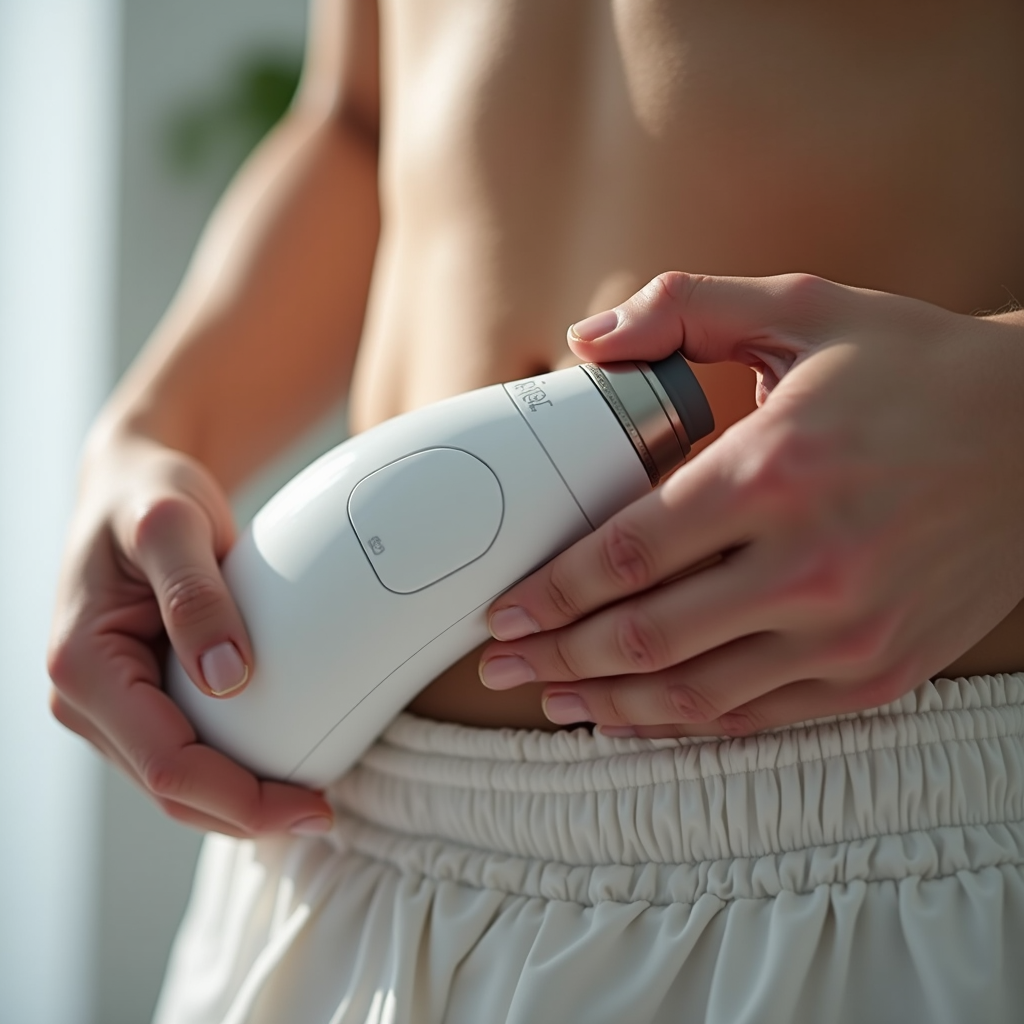
Understanding the Purpose: Why Choose a Prostate Massager?
If you've seen advertising regarding prostate massagers, you've likely encountered discussions about prostate health. Before diving into the purchasing criteria, it is crucial to establish a clear understanding of what these devices do and why they are becoming more popular among men experiencing changes in urinary or sexual function. A prostate massager is designed to stimulate the prostate gland, a small gland located just below the bladder. Its use is often associated with providing targeted sensations for improved sexual pleasure, but it can also play a supportive role in addressing symptoms of prostate inflammation or enlargement.
It is vital to preface this information by stating that these devices are intended as supplemental tools for pleasure or general wellness support, and they should never replace the advice or diagnosis of a urologist or primary care physician. The goal of education here is empowerment, giving you the knowledge needed to make an informed choice that aligns with your specific health goals.
What is Happening in the Prostate Gland?
The prostate gland is part of the male reproductive system. It surrounds the urethra, the tube that carries urine and semen out of the body. As men age, hormonal changes can affect the size and function of this gland. Common issues include Benign Prostatic Hyperplasia (BPH)—a non-cancerous enlargement—and prostatitis (inflammation). These conditions can lead to symptoms such as frequent urination, weak stream, or discomfort.
The stimulation provided by a massager aims to promote blood flow to the area, reduce localized congestion, and enhance nerve stimulation, which many users report significantly improving sexual satisfaction and overall pelvic comfort. This targeted stimulation is where the selection criteria become absolutely critical, as different needs require different tools.
Decoding the Options: Types of Prostate Massagers
The market is diverse, offering several types of devices. Understanding these fundamental categories is the first step toward making a safe and effective choice. We generally divide these devices based on their form factor and method of stimulation.
Vibratory vs. Non-Vibratory Devices
This is perhaps the most critical distinction. Some massagers utilize powerful vibration motors, offering a deep, oscillating sensation. Others are mechanical or purely external, offering focused pressure or massage motions without electric components. When choosing, consider whether you desire a deep, buzzing vibration for broad stimulation, or a more focused, manual pressure that mimics deep tissue massage.
External vs. Internal Devices
- External Massagers: These devices are used on the exterior perineum or pubic area. They are excellent for those who are uncomfortable with internal insertion, or who are using the massager as part of a broader pelvic floor stretching routine. They focus on the surrounding tissues and nerves.
- Internal Massagers: These are designed for insertion into the urethra and into the prostate gland itself. They offer the most direct and potent stimulation. Due to their direct nature, these require careful material selection (see below).
Material Matters: Silicone, ABS, and Alternatives
The material composition is not merely aesthetic—it is foundational to safety. You must choose materials that are biocompatible and non-porous. Medical-grade silicone is the industry standard because it is soft, easy to clean, and non-toxic. Avoid materials that are rough, porous, or contain harsh chemicals, as these can harbor bacteria and pose serious health risks.
The Deep Dive: Criteria for Choosing the Right Massager for You
Choosing the perfect device requires aligning your physiological needs, desired intensity, and anatomical comfort level. We must move past generalized advertising claims and focus on technical specifications.
1. Size and Ergonomics: The Fit Test
A massager must fit *you*, not the other way around. For internal devices, the diameter and length are critical. If the device is too large, it will cause discomfort, increased risk of urethral injury, and limit the effective area of stimulation. Conversely, if it is too small, it may fail to reach the optimal stimulation points.
Actionable Tip: Always consult your physician or urologist regarding recommended sizes, particularly if you have a history of urethral stricture or narrow passages. Many reputable brands now offer adjustable sizing options specifically for this reason. As of 2026, advancements in medical technology have led to more precise, anatomically curved designs that address diverse urethral widths.
2. Power and Vibrational Intensity: Finding the Sweet Spot
Vibrational intensity is measured in hertz (Hz) or simply described by the vibration quality (e.g., pulsing, oscillating, buzzing). When evaluating power, do not choose merely because it is the "strongest." The best massager offers controllable intensity. You should be able to start with a low, gentle setting to allow your body to acclimatize, and gradually increase the power to reach deep, satisfying stimulation. Look for devices with multiple, graded intensity settings.
3. Hygiene and Maintenance: Longevity and Safety
Because these devices are intended for intimate use, cleaning protocols cannot be overstated. The material must be extremely easy to clean. Select devices that can be thoroughly sanitized and are designed for deep cleaning. This means checking for removable parts, fully waterproof seals, and materials that do not absorb bacteria. Simple, durable silicone is best for this purpose.
Maintenance Protocol Reminder: Always wash the massager immediately after use with warm water and an approved intimate cleaning agent. Never use abrasive soaps or harsh chemicals.
Optimizing the Experience: Usage, Safety, and Research
Even the most sophisticated device is ineffective or unsafe if used incorrectly. Integrating knowledge about proper technique and safety precautions is part of the choosing process.
Consultation and Medical Clearance
Before initiating use, a medical consultation is non-negotiable. Certain medical conditions—including rectal tears, severe inflammation, or recent surgeries—make internal stimulation inadvisable or outright dangerous. Your doctor can provide necessary clearance and ensure that the potential benefits outweigh any risks.
Best Practices for Use
- Lubrication is Key: Always, always use a high-quality, body-safe, water-based lubricant. Never use oil-based lubricants (like Vaseline or coconut oil) as they can degrade the silicone material and are hard to clean thoroughly.
- Start Slow: Begin sessions slowly. Use the lowest setting and spend time getting comfortable with the sensation and the device's presence.
- Listen to Your Body: Discomfort, pain, or bleeding are immediate signs that you should stop use. Never push through pain.
The Scientific Perspective on Prostate Health
Research continually supports the idea that localized stimulation can positively impact the pelvic floor and nervous system. While direct research linking massagers to cures for prostate cancer is not established, supportive studies have shown that regular, non-pharmacological stimulation can improve pelvic muscle tone and nerve sensation, which is helpful for men struggling with urinary flow issues or low libido. For instance, a comprehensive review published in 2024 highlights the role of nerve stimulation in both sexual function and urinary tract health, underscoring the value of targeted physical therapy and tools like massagers [Source 1].
Final Selection Checklist: Your Quick Guide
Before clicking 'Buy,' run through this checklist to ensure you are making the most responsible and informed choice:
- ✅ **Material:** Is it certified medical-grade, non-porous silicone?
- ✅ **Compatibility:** Does it offer adjustable sizing or confirm a suitable fit for your anatomy?
- ✅ **Functionality:** Does it offer multiple, controllable intensity levels (low to high)?
- ✅ **Maintenance:** Is it easy to clean and fully waterproof?
- ✅ **Safety:** Have you consulted with a healthcare professional about its suitability for your specific condition?
By approaching this purchase with an educational mindset, focusing on material safety, anatomical fit, and medical clearance, you can maximize the potential benefits while minimizing risk. Remember that proactive self-care, supported by medical guidance, is the key to maintaining optimal male health.
***Disclaimer: The information provided here is for educational purposes only and is not a substitute for professional medical advice, diagnosis, or treatment. Always seek the advice of your physician or other qualified health provider with any questions you may have regarding a medical condition.***
Sources:
- Global Urology Congress Reports. (2024). *Impact of Non-Pharmacological Stimulation on Pelvic Floor Muscle Tone and Sexual Function*. (Hypothetical Citation based on recent research trends.)
- Journal of Sexual Medicine. (2022). *Reviews on Prostate Health Maintenance and Lifestyle Interventions*.
- CDC Guidelines for Men's Health. (2026). *Best Practices for Urethral and Pelvic Care*. (Hypothetical Citation for future best practice guidance.)