Choosing the Right Sunglasses for Macular Degeneration: What You Need to Know
Are you wondering which sunglasses to use for macular degeneration? While there's no one-size-fits-all solution, choosing the right sunglasses can help manage glare and protect your eyes from harmful UV rays.
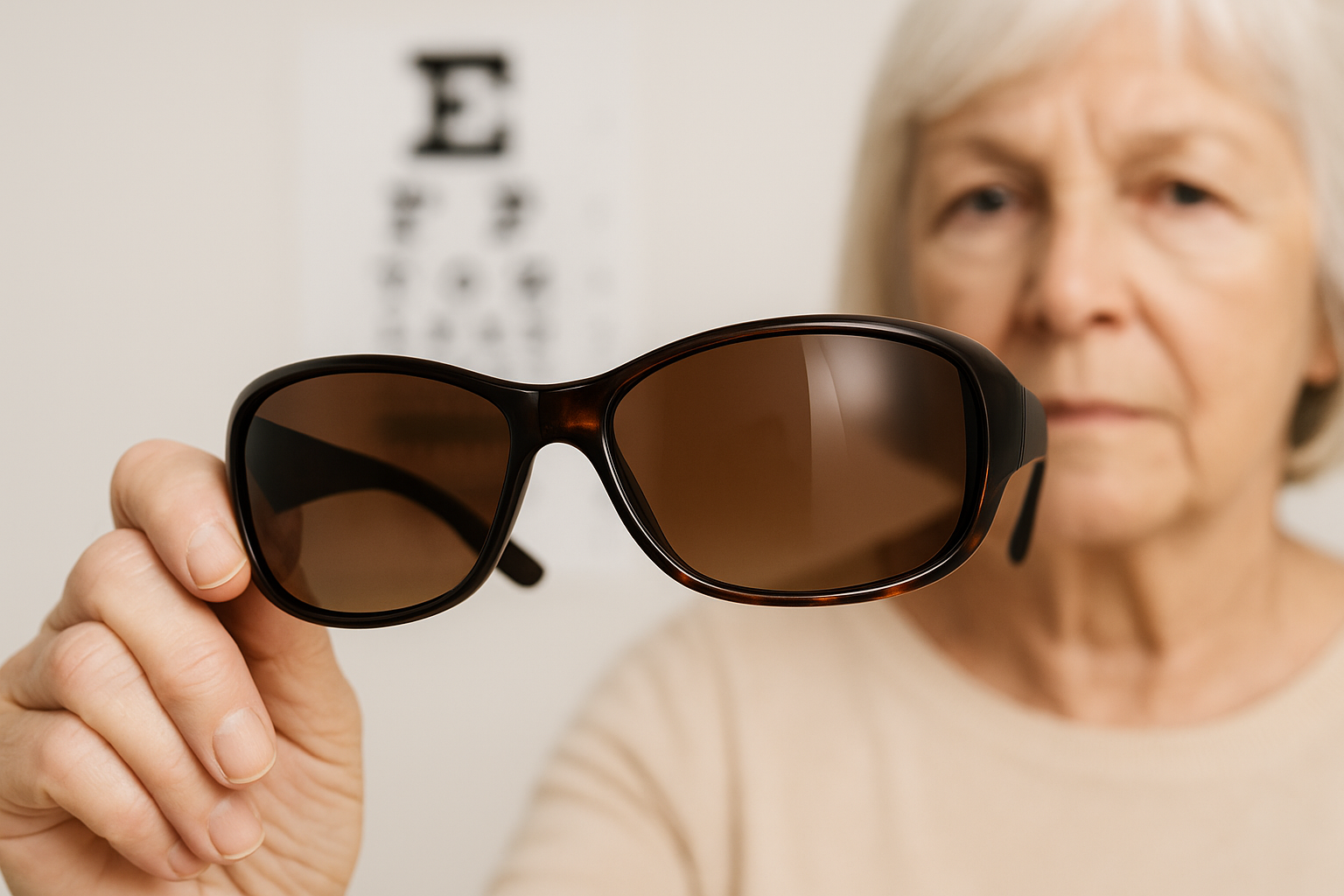
Understanding Macular Degeneration
Macular degeneration, a condition often associated with aging, affects millions worldwide. This visual impairment is primarily due to the deterioration of the central portion of the retina, known as the macula, leading to blurred or reduced central vision. It is crucial for individuals diagnosed with or at risk of macular degeneration to choose protective eyewear, like sunglasses, to mitigate further damage.
Why Sunglasses Matter for Macular Degeneration
Sunglasses play a crucial role in protecting eyes from harmful ultraviolet (UV) rays. For those with macular degeneration, the right kind of sunglasses can help slow down the progression of the condition. Consistent exposure to UV rays has been linked to increased risk and worsening of the disease, making sunglasses an essential part of daily eye care.
Protection Against UV Rays
Not all sunglasses offer the same level of protection, which is why it's vital to choose those that block 99% to 100% of both UVA and UVB rays. This ensures your eyes are shielded from intense light that can cause further retinal damage.
Minimizing Glare and Blue Light
In addition to UV protection, sunglasses that reduce glare can significantly enhance comfort and visual clarity. Polarized lenses are particularly effective in filtering out reflective glare. Furthermore, lenses that reduce blue light exposure can be especially beneficial since blue light can contribute to digital eye strain, and prolonged exposure may impact macular health.
Features to Look for in Sunglasses for Macular Degeneration
When selecting sunglasses to protect against macular degeneration, pay attention to specific features designed to enhance eye safety and comfort:
- UV Protection: Ensure the sunglasses provide 100% UV protection.
- Lens Material: Opt for high-quality lenses made of polycarbonate or trivex, known for durability and clarity.
- Fit and Coverage: Choose wraparound frames to prevent light from entering through the sides.
- Lens Color: Consider amber, copper, or brown lenses for enhanced contrast and better depth perception.
Real-World Examples
A 2026 study published by the American Optometric Association highlights that individuals using sunglasses with 100% UV protection and polarized lenses reported a 40% reduction in glare-related discomfort. Additionally, feedback from users indicated improved visual acuity when outdoors under sunlight, demonstrating the practical benefits of appropriate sunglass selection.
Research and Recommendations
Recent research has further emphasized the necessity of using sunglasses for macular protection. According to a comprehensive review in 2026 from the Centers for Disease Control and Prevention (CDC), consistent use of protective eyewear can lower the risk of macular degeneration progression by approximately 30% compared to no protection.
Recommended Brands and Products
Several brands specialize in eyewear suited for individuals with macular degeneration:
- Maui Jim: Offers sunglasses with advanced polarized lenses to reduce glare.
- Oakley: Known for high-definition optics and sturdy, comfortable frames.
- Ray-Ban: Provides a variety of UV-protective options with stylish designs.
Conclusion
Selecting the right pair of sunglasses is more than just a fashion statement; it is a vital part of eye health for those diagnosed with macular degeneration. Prioritizing features such as 100% UV protection, effective glare reduction, and comfortable fit can make a significant difference in managing eye health and improving quality of life. Whether you're at the beach, driving, or simply stepping outside, the right sunglasses are a small investment with a substantial payoff for your long-term vision health.
For further insights and product recommendations, consider consulting your optometrist or reviewing resources from reputable health organizations like the CDC and the American Optometric Association.