Choosing Wisely: When Laser Treatments Outshine Dermal Fillers
Explore when laser treatment might be the preferred choice over fillers. Dive into scenarios where lasers offer distinct benefits, effectively addressing specific skin concerns. Learn how laser treatment can complement other procedures, potentially delivering desirable results in specific cases.
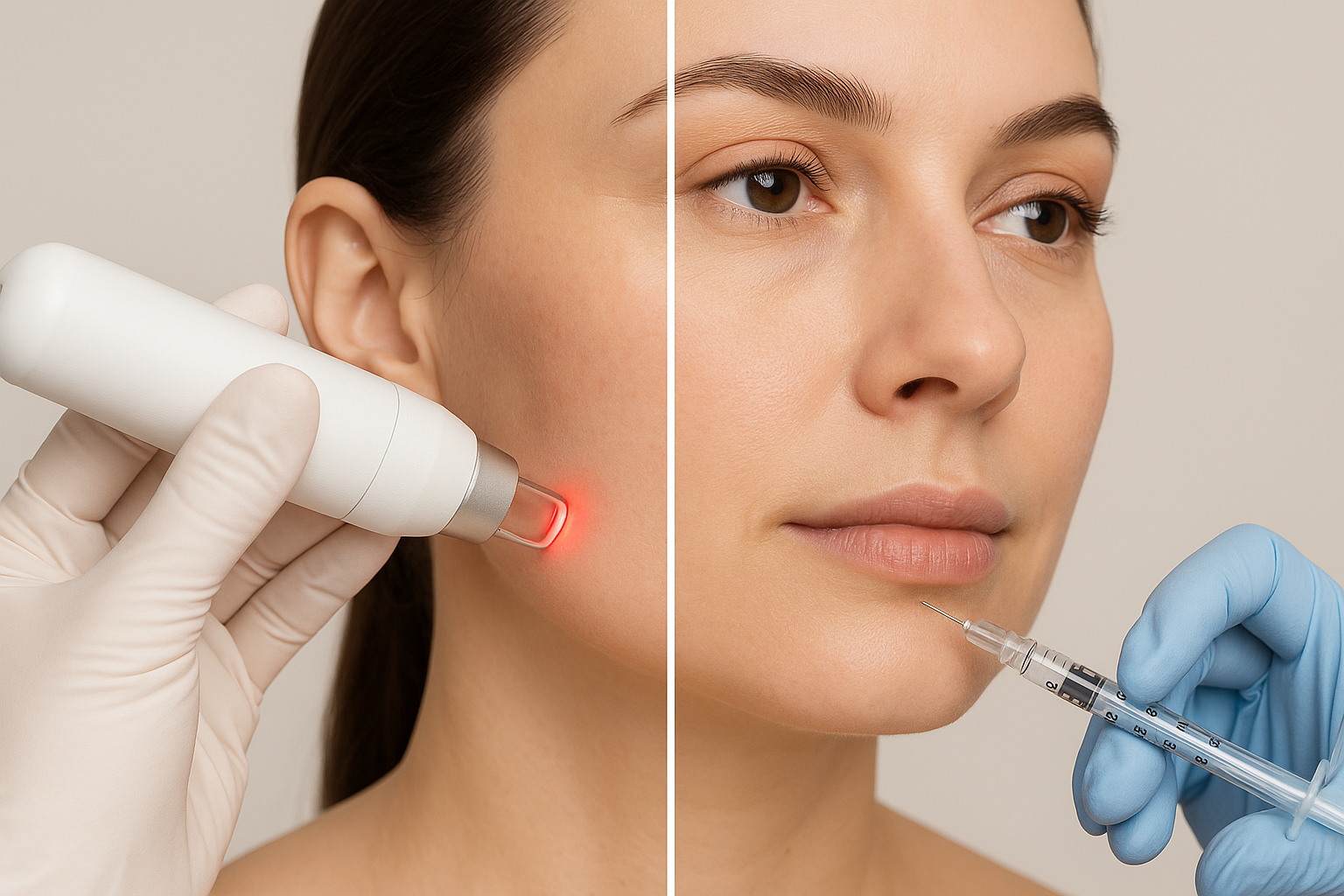
Understanding Laser Treatments and Fillers
In the realm of cosmetic dermatology, consumers are often faced with the choice between laser treatments and fillers. Both of these cosmetic procedures are highly popular for their ability to rejuvenate the skin, but they serve different purposes and are effective for addressing different types of skin concerns. Understanding when laser treatment works better than fillers requires a closer look at what each treatment entails and their respective benefits.
What Are Laser Treatments?
Laser treatments utilize focused light energy to treat various skin issues. These treatments can target the surface of the skin or penetrate deeper into the layers to stimulate collagen production, remove unwanted hair, reduce wrinkles, and diminish pigmentation spots. The technology behind lasers has advanced significantly, enabling precise targeting of skin imperfections with minimal downtime.
- Types of Laser Treatments: Common types include ablative lasers, such as CO2 and Erbium lasers, and non-ablative lasers, which include Nd:YAG and fractional lasers.
- Common Uses: Lasers are often used for resurfacing, scar reduction, wrinkle smoothing, and treating sun damage.
Understanding Fillers
Fillers are substances injected into the skin to fill in wrinkles and add volume to areas that have thinned due to aging, such as the cheeks, lips, and around the eyes. Unlike lasers, fillers provide immediate results by physically adding volume beneath the skin.
- Types of Fillers: Hyaluronic acid fillers (e.g., Juvederm, Restylane) and calcium hydroxylapatite (e.g., Radiesse) are popular choices.
- Common Uses: Fillers are used for facial contouring, plumping lips, smoothing deep-set wrinkles, and enhancing facial symmetry.
When Laser Treatment Works Better Than Fillers
Choosing between laser treatments and fillers depends on the specific skin issues you wish to address. While both can improve appearance, certain conditions favor laser treatments over fillers.
Treating Skin Texture and Tone
If your primary concern is skin texture and tone, such as acne scars, fine lines, enlarged pores, or uneven pigmentation, laser treatments are generally more effective. Lasers improve skin texture by stimulating collagen production and promoting a more even skin surface.
According to a 2026 study published in the Journal of the American Academy of Dermatology, laser resurfacing significantly improves skin tone and texture after just a few sessions, with long-lasting results.
Addressing Vascular and Pigmentation Issues
Lasers are the preferred option for treating vascular issues like spider veins, rosacea, and pigmentation concerns such as sunspots and melasma. By using targeted light wavelengths, lasers can selectively target and break down pigmented cells without affecting the surrounding skin.
When Fillers Might Be a Better Option
While laser treatments offer tremendous benefits for skin texture and pigmentation, fillers shine when it comes to volume loss and deep-set wrinkles.
Restoring Volume and Enhancing Facial Features
Fillers are ideal for adding volume to sunken areas, such as the cheeks and under-eye hollows, as well as for enhancing facial features like lips and jawlines. Individuals experiencing sagging, volume loss, and more profound facial wrinkles often find injectables give instant, rejuvenating results.
An annual report from the American Society of Plastic Surgeons shows a 12% increase in filler treatments in 2026, highlighting their effectiveness and growing popularity in aesthetic procedures.
Combined Approach for Optimal Results
For those looking to tackle multiple skin concerns, a combined approach of both laser treatments and fillers might offer the best results. Dermatologists can tailor a treatment plan that can address surface issues while simultaneously restoring lost volume and smoothing deeper lines.
However, it's crucial to consult with a certified dermatologist to determine the most suitable options based on individual needs and skin condition. Professional guidance ensures the right treatment combination and timing, maximizing the benefits while minimizing potential risks.
Conclusion
Understanding the differences between laser treatments and fillers can help you make an informed decision about which cosmetic procedure best suits your needs. Whether you're aiming to improve skin texture or add facial volume, each method has its advantages. Always seek professional advice to customize a treatment tailored to your unique goals and achieve the best possible results.