Comparing Personal Loan Rates: Banks vs. Online Lenders
Looking for personal loan rates? Explore whether traditional banks or online lenders provide more competitive rates.
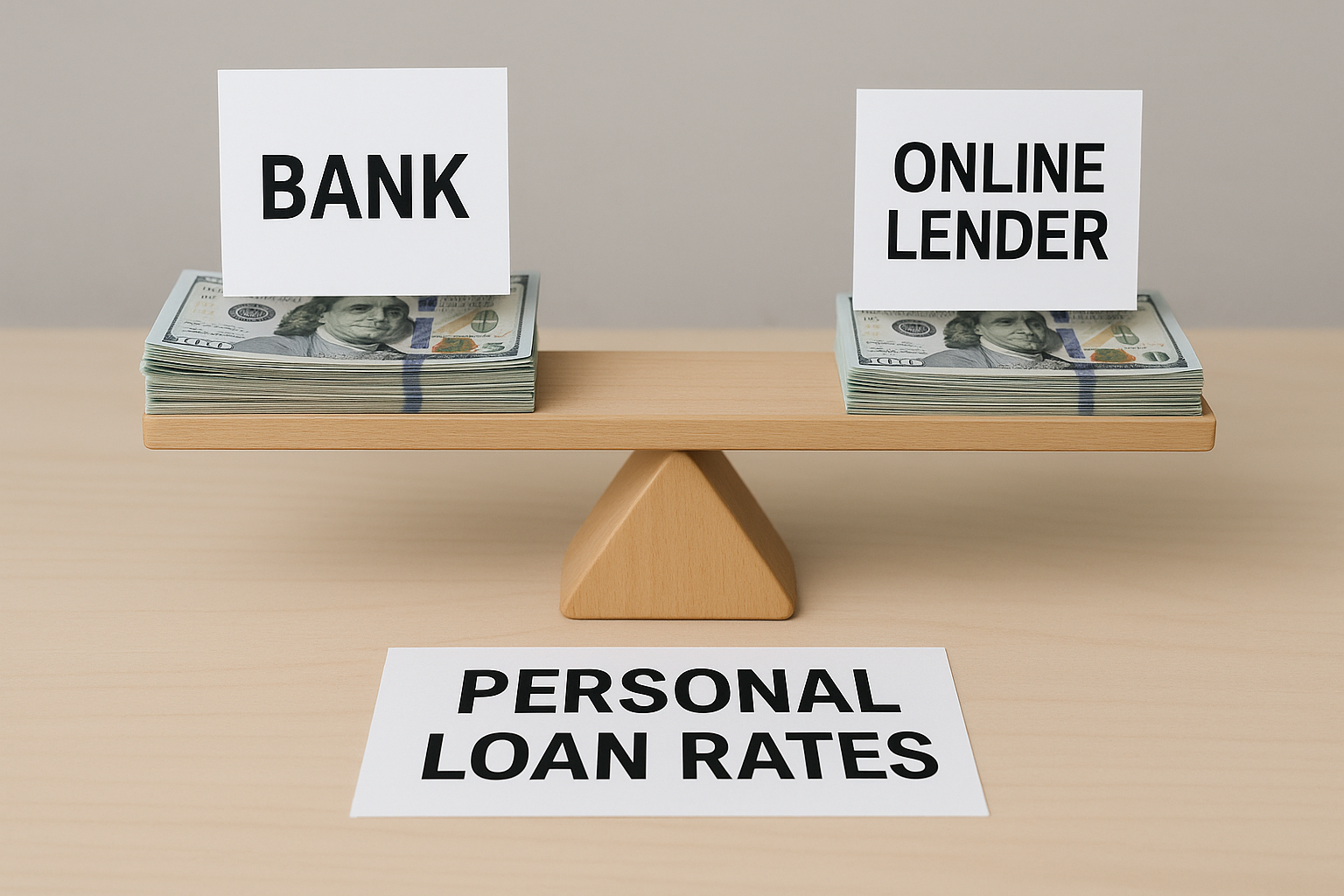
Understanding Personal Loan Rates: Banks vs. Online Lenders
In today's digital age, consumers are faced with numerous options when it comes to securing loans. A common question many people have is whether banks offer better personal loan rates than online lenders. With financial technology rapidly evolving, understanding how these options differ is crucial for making an informed decision.
The Dynamics of Personal Loan Rates
Personal loan rates depend on various factors including the lender's operational costs, your credit score, loan amount, and term duration. Generally, banks might have higher operational costs due to their physical branches, which can affect their rate offerings. Conversely, online lenders often operate with lower overhead, potentially passing those savings onto borrowers through competitive rates.
Banks: Traditional Yet Reliable
Banks have been the traditional choice for many borrowers. They are often seen as more reliable due to their longstanding presence in the financial sector. Here are some aspects in which banks might have an advantage:
- Trust and Reputation: Banks often have well-established reputations and a track record of reliability.
- Bundled Services: Many banks offer package deals that might include other financial services alongside a personal loan, potentially leading to better rates in combination with other bank products.
- Customer Service: Face-to-face customer support can be beneficial for complex loan products.
Online Lenders: Innovative and Competitive
Online lenders have revolutionized the lending landscape by offering digital-first alternatives. They often excel in areas banks might lag behind, such as:
- Quick Application Processes: Online lending platforms usually feature streamlined applications that can be completed in minutes.
- Accessibility: Individuals with less than perfect credit might find online lenders more willing to offer loans.
- Innovative Technologies: Utilizing data analytics, online lenders can offer personalized loan rates based on borrower behavior, potentially resulting in better rates for certain customers.
Comparing Rates: Data from Recent Studies
To make an informed decision, it's crucial to compare the actual rates offered by banks and online lenders. A recent 2026 study by LoanCompare highlights the following insights:
- Banks offer average personal loan rates between 6% to 13%, heavily influenced by the borrower's relationship with the bank and credit score.
- Online lenders offer rates varying from 5% to 15%, often providing better rates for those with excellent credit.
- The competition among online lenders often leads to promotional rates that can be as low as 4% for a limited time ([source](https://www.loancompare2026.com)).
This comparison shows that while both banks and online lenders offer competitive rates, the former might be more advantageous if you already have an account with them and maintain a good credit score. However, online lenders can sometimes offer more attractive promotions.
Factors to Consider When Choosing a Lender
While rates are an essential aspect of choosing a lender, there are other critical factors to bear in mind:
- Loan Terms: Evaluate the terms offered, such as the length of the loan and any prepayment penalties.
- Fees: Be wary of origination fees, late payment fees, and early payoff penalties.
- Repayment Flexibility: Look for lenders who offer flexible payment schedules to suit your financial situation.
- Customer Service: Gauge the level of support and assistance provided by the lender, especially online lenders who might lack in-person support.
Making the Right Decision for Your Financial Needs
When deciding between a bank and an online lender for your personal loan, it's crucial to weigh the advantages and disadvantages of each. Understanding your financial goals, your creditworthiness, and the specific terms of each loan option can ensure you really get the most competitive rate available.
Ultimately, whether a bank or an online lender offers the better rate can vary broadly depending on individual circumstances. By thoroughly researching and comparing your options, you can find a personal loan that best fits your needs and financial situation.
https://www.consumerfinance.gov/ask-cfpb/what-is-a-personal-loan-en-1077/
https://www.consumerfinance.gov/consumer-tools/loans/personal-loans/
https://www.consumerfinance.gov/ask-cfpb/what-factors-affect-my-interest-rate-en-1353/
https://www.consumerfinance.gov/ask-cfpb/how-can-i-get-a-lower-interest-rate-on-a-loan-en-733/
https://www.nerdwallet.com/article/loans/personal-loans/personal-loan-rates
https://www.bankrate.com/loans/personal-loans/current-personal-loan-rates/
https://www.lendingtree.com/personal/personal-loan-rates/
https://www.experian.com/blogs/ask-experian/what-are-personal-loan-interest-rates/
https://www.myfico.com/credit-education/credit-scores
https://www.annualcreditreport.com/index.action
https://www.investopedia.com/personal-loan-rates-5075908
https://www.federalreserve.gov/releases/g19/current/
https://www.nerdwallet.com/article/credit-cards/average-credit-card-interest-rate