Comprehensive Guide to the Top 10 Stroke Treatment Hospitals in the USA
Discover the leading hospitals offering exceptional stroke treatment across the USA. This comprehensive guide highlights the top 10 hospitals renowned for their expertise and innovative approaches in managing stroke cases.
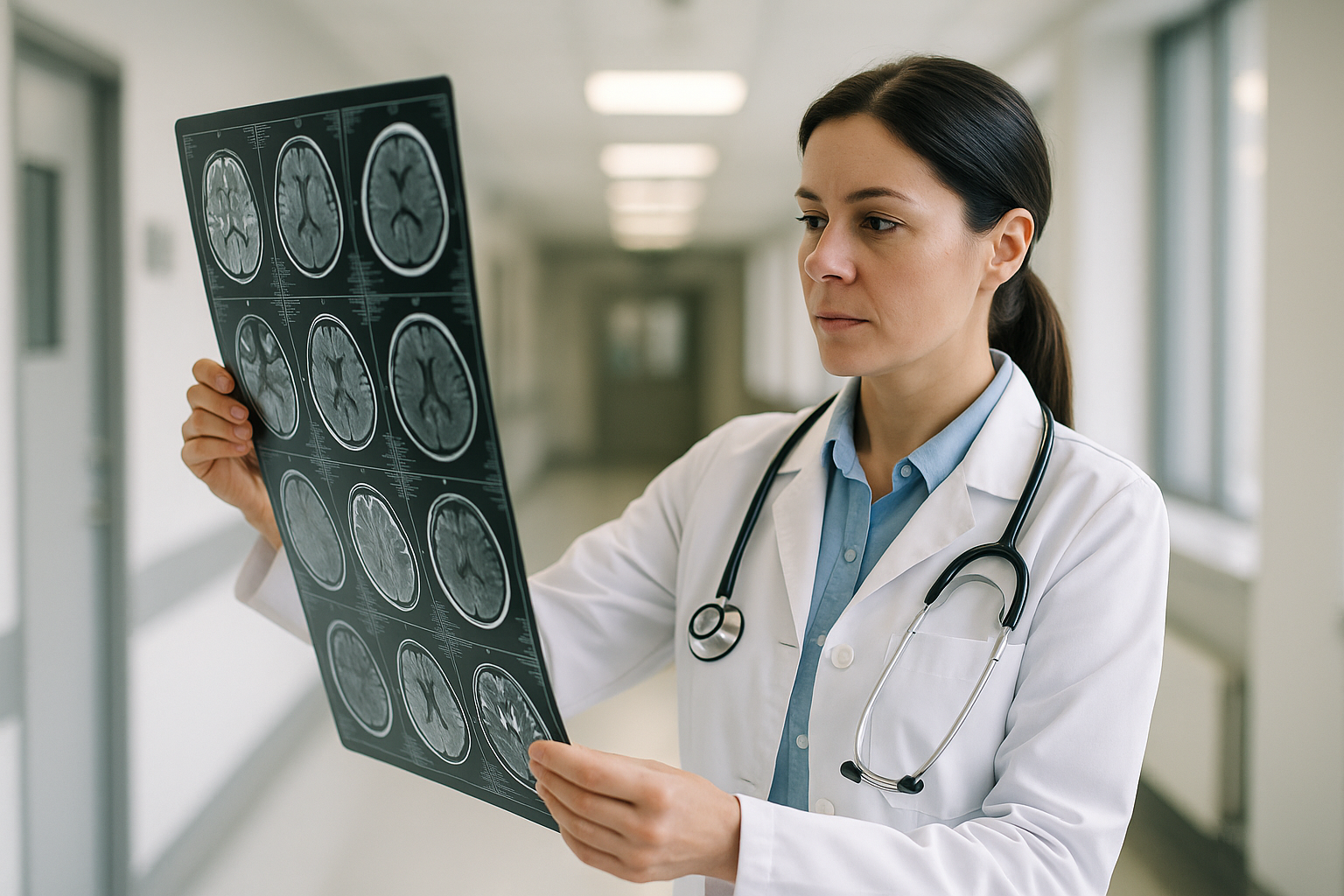
Understanding Stroke: A Medical Emergency
Before delving into the top hospitals for stroke treatment in the USA, it is vital to understand what a stroke is and why immediate medical attention is crucial. A stroke occurs when the blood supply to a part of the brain is interrupted or reduced, preventing brain tissue from receiving oxygen and nutrients. This can lead to brain damage, long-term disability, or even death.
According to the Centers for Disease Control and Prevention (CDC), around 795,000 people in the United States experience a stroke each year, and it is one of the leading causes of death. Quick and specialized care is essential to improve outcomes, which is why choosing the right hospital is so important.
Criteria for Evaluating Stroke Treatment Centers
When it comes to stroke treatment, not all hospitals are created equal. Various criteria are used to evaluate the best hospitals, including:
- Outcome Measures: How successful are the treatments in reducing mortality and improving recovery?
- Availability of Comprehensive Stroke Centers: Does the hospital have specialized units equipped for severe cases?
- Technological Advancements: Does the hospital employ the latest in stroke treatment technology?
- Research and Education: Is the hospital involved in the latest stroke research and offering educational resources?
- Patient Reviews and Satisfaction: What do past patients have to say about their experiences?
The Top 10 Hospitals for Stroke Treatment in the USA (2026)
Based on the above criteria, here are the top 10 hospitals recognized for their excellence in stroke treatment:
- Mayo Clinic, Rochester, MN: Renowned for its use of innovative therapies and technologies, Mayo Clinic continually ranks among the top hospitals for stroke treatment.
- Johns Hopkins Hospital, Baltimore, MD: This facility offers comprehensive stroke care with a multidisciplinary team approach.
- Cleveland Clinic, Cleveland, OH: Known for its research and breakthroughs in neurology, Cleveland Clinic provides cutting-edge stroke treatments.
- UCLA Medical Center, Los Angeles, CA: This hospital is noted for its robust stroke center, equipped with the latest diagnostic and therapeutic technologies.
- Massachusetts General Hospital, Boston, MA: Provides excellent stroke care with a focus on rapid intervention and advanced imaging techniques.
- NewYork-Presbyterian Hospital, New York, NY: Offers comprehensive stroke treatment and has a high level of patient satisfaction.
- Northwestern Memorial Hospital, Chicago, IL: Recognized for its expertise in treating complex stroke cases with advanced treatments.
- UCSF Medical Center, San Francisco, CA: Provides specialized stroke services and is involved in pioneering research.
- Houston Methodist Hospital, Houston, TX: Known for exceptional neurology and neurosurgery programs, crucial for comprehensive stroke care.
- Mount Sinai Hospital, New York, NY: Offers state-of-the-art stroke care with an emphasis on personalized treatment plans.
These hospitals excel not only in providing immediate care but also in rehabilitation and recovery support, ensuring patients have the best possible outcomes.
Mayo Clinic Example: Cutting-Edge Technology in Action
Mayo Clinic, for instance, utilizes advanced imaging technology like perfusion MRI and thrombectomy procedures to quickly assess and treat stroke patients. Their comprehensive stroke center is equipped to handle the most severe cases, and they are continuously involved in research studies aimed at finding new treatment methods.
Navigating Stroke Symptoms and Seeking Treatment
Time is a crucial element in stroke treatment. Recognizing the symptoms and seeking help can make all the difference:
- Sudden Numbness: Particularly if it affects one side of the body.
- Confusion: Difficulty speaking or understanding speech.
- Vision Issues: Sudden trouble seeing in one or both eyes.
- Dizziness: Loss of balance or coordination.
- Severe Headache: With no known cause.
If you or someone else experiences these symptoms, immediately call 911 and get to a hospital that specializes in stroke treatment. Remember the acronym FAST: Face drooping, Arm weakness, Speech difficulties, Time to call emergency services.
Advancements in Stroke Treatment
The past few years have seen significant advancements in stroke treatment:
- Clot Retrieval Devices: The development of mechanical thrombectomy devices has revolutionized the immediate treatment of ischemic strokes.
- Telemedicine: Remote consultations and assessments allow for faster diagnosis and treatment plans, especially in rural or remote areas.
- Robotics and AI: Used to enhance rehabilitation and predict patient outcomes more accurately.
Choosing the Right Hospital: What You Need to Consider
When selecting a hospital for stroke treatment, consider proximity to advanced stroke centers, the hospital's track record, and available technology and expertise. If you're in a region without immediate access to one of these top hospitals, ensure your local healthcare provider can quickly refer you to a specialized center if needed.
Additionally, consider participating in stroke awareness and prevention programs offered by local hospitals, which can provide valuable information on reducing risk factors.
Conclusion: A Proactive Approach to Stroke Prevention
While knowing the top hospitals for stroke treatment is essential, adopting a proactive approach to stroke prevention is equally important. Regular check-ups, a balanced diet, regular exercise, and managing conditions like hypertension and diabetes can significantly lower your risk of stroke.
For more information on stroke symptoms and treatment, trusted resources include the CDC and the American Stroke Association. Staying informed and prepared can make all the difference in managing this serious medical condition.
- Mayo Clinic – https://www.mayoclinic.org
- Cleveland Clinic – https://my.clevelandclinic.org
- Hospital for Special Surgery – https://www.hss.edu
- Johns Hopkins Hospital – https://www.hopkinsmedicine.org
- Cedars-Sinai Medical Center – https://www.cedars-sinai.org
- Keck Medical Center of USC – https://www.keckmedicine.org
- Massachusetts General Hospital – https://www.massgeneral.org
- Rush University Medical Center – https://www.rush.edu
- UCSF Medical Center – https://www.ucsfhealth.org
- NYU Langone Orthopedic Hospital – https://nyulangone.org