Costco Luxury Rings: Your Guide to High-Quality Jewelry Deals
Discover potential savings on Costco Luxury Ring Deals 2026. Expert guides analyze current market trends, helping you navigate the best selections without commitment. We compile insider tips to maximize your savings when shopping for Costco Luxury Ring Deals 2026.
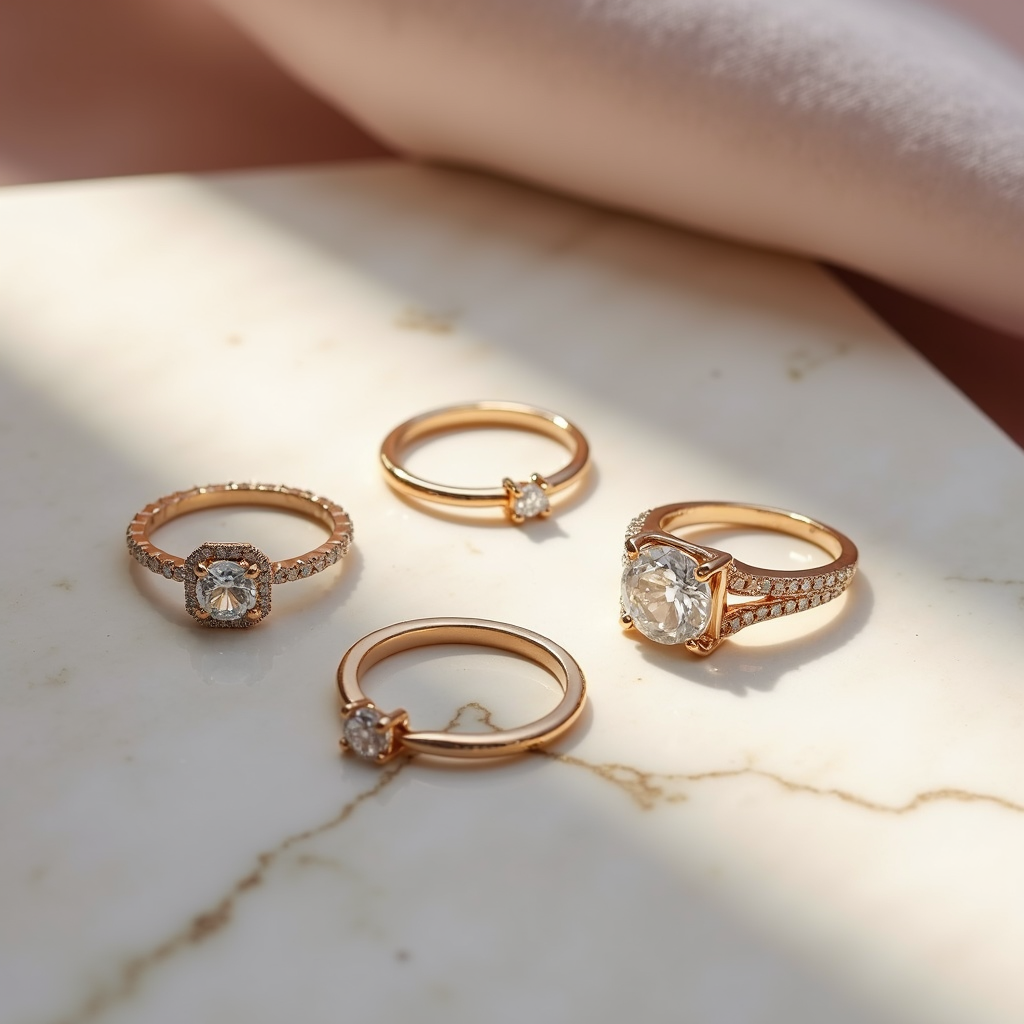
Understanding the Concept: Luxury Rings and the Costco Value Proposition
When an ad targets "Costco Luxury Ring Deals 2026," it immediately raises questions about quality, sourcing, and value. The key to understanding this type of deal is shifting the focus from the retailer's location (Costco) to its business model: providing high-value, curated goods. Costco's strength lies in its massive procurement power, which allows them to source premium, often globally recognized, luxury items and pass those savings on to members. However, the term "luxury" demands scrutiny, especially in the gem and jewelry industry, which is notorious for opaque pricing.
Decoding the "Deal" Structure
A "deal" in this context rarely means a deep discount off the actual material cost. Instead, the value is typically created by minimizing the "middleman" costs. Traditional jewelry purchases often involve markups from specialized storefronts, high overhead costs, and extensive advertising budgets. Costco, by acting as a direct, bulk-purchasing hub, can negotiate better pricing directly with jewelers or gem suppliers. This savings is then often passed on in the form of a bundled package or a more accessible price point than one would find in a high-street boutique.
When evaluating a deal, always ask: Is the saving in the *material* itself, or is it in the *experience/service*? Often, the biggest saving is simply in the elimination of excessive retail markups. For the 2026 market, where supply chains are focusing on resilience and transparency, this direct sourcing model is becoming even more valuable.
Navigating the Gemstone Landscape: What Makes a Ring Truly Valuable?
To truly understand the deals, a reader must understand the components. A high-quality ring is defined by three primary elements: the metal setting, the centerpiece gemstone, and the craftsmanship (setting style). Each deserves detailed attention, especially when purchasing luxury items.
The Four Cs: The Foundation of Diamond Grading
If the ring features diamonds (natural or lab-grown), the industry standard remains the 4 Cs. Educating yourself on these metrics is the single most important step in becoming an informed buyer, regardless of where you purchase the ring.
- Carat: This refers to the weight of the gemstone (the average diamond is 0.2 to 0.35 carats). While higher carat weight equals more material, it does not guarantee quality.
- Cut: Arguably the most critical 'C.' This refers to the precision of the stone's faceting. A perfect cut allows the maximum light return (brilliance and fire). Even a mediocre diamond can look stunning if it has an exceptional cut.
- Color: Diamonds are graded on a scale from D (colorless) to Z (visible yellow/brown). The closer to D, the higher the value.
- Clarity: This measures inclusions (internal blemishes or flaws). Grades are typically numbered (e.g., VS1, SI2). Understanding that slight inclusions (like those in SI grades) are common and often invisible to the naked eye is crucial for maximizing value.
Understanding Alternative and Ethical Gems
The market is moving rapidly toward transparency. In 2026, buyers are expected to be highly educated regarding ethical sourcing. This shift has fueled interest in alternatives to traditional diamonds:
- Lab-Grown Diamonds: These stones are chemically, physically, and optically identical to mined diamonds, but their creation in a lab allows for far greater price control and transparency regarding the supply chain. As market research indicates, adoption rates for lab-grown diamonds are expected to accelerate significantly through 2026, making them a powerful alternative deal.
- Colored and Alternative Stones: Sapphires, emeralds, and rubies offer incredible beauty and often carry comparable, and sometimes superior, intrinsic value to diamonds, depending on the quality and rarity of the specific piece.
Metal Quality and Settings: Beyond the Brilliance
The setting is where much of the artistry and durability lies. Don't let the sparkle of the centerpiece blind you to the quality of the metal itself.
Analyzing Metal Options
The most common metals used in luxury rings are gold, platinum, and silver. Understanding the purity measures is non-negotiable:
- Platinum (Pt): Highly durable, rare, and naturally hypoallergenic. Its density gives it a brilliant white color that resists tarnishing. It is often considered the gold standard for heirloom pieces.
- Gold Karats (K): Measured in karats (K). 18K gold is typically considered luxury grade, meaning it is 75% pure gold, mixed with durable alloys to maintain strength. 14K is also common and durable.
- White Gold: Not actual white metal, but gold mixed with rhodium plating (a type of platinum) to give it a bright white color while retaining the base gold material.
The Importance of Setting Style
Different settings offer different levels of security and aesthetic appeal. For instance, a prong setting (with visible metal claws) maximizes light entry and brilliance but requires careful handling. A bezel setting (where the metal completely encircles the stone) is extremely secure and ideal for softer metals or delicate skin. A diamond should always be matched with a setting designed to optimize its structure and brilliance.
Costco vs. Traditional Jewelers: A Comparative Value Analysis
The fundamental question for the consumer is whether the savings are real. Here is a breakdown of the perceived differences:
- Pricing Transparency: Costco aims for a straightforward value proposition. They generally list materials and the piece price relatively clearly. Traditional jewelers often embed value in the personalized consultation, which can obscure the true cost of the materials.
- Expertise and Service: Traditional jewelers offer high-touch, personalized service, including expert sizing and specialized cleaning/maintenance advice. Costco offers standardized, mass-marketized luxury, meaning the initial purchase experience is often less bespoke.
- Guarantee and Return Policy: When shopping at a large warehouse like Costco, the general return policy is usually robust, offering a safety net that specialized, boutique retailers might not match.
For buyers prioritizing maximum material quality assurance and minimizing markup, a major warehouse retailer can offer an incredibly competitive entry point into the luxury market. For those prioritizing highly individualized design and specialized, high-end servicing, a boutique remains the superior choice.
Preparing for Your Purchase: Due Diligence in 2026
No matter the seller, the buyer must be the most informed party. Treat the process like any major investment. Use the following checklist before confirming any purchase, especially when deals are highly advertised.
The Due Diligence Checklist
- Request Certification: Never buy a major gemstone without a recognized, third-party grading report (e.g., GIA or AGS). This report confirms the 4 Cs and protects you from misrepresentation.
- Verify Metal Purity: Ask for the exact weight of the setting and the purity of the metal (e.g., 18k gold, .999 Platinum).
- Understand the Warranty: What does the warranty cover? Is it limited to workmanship, or does it include stone replacement for natural issues? A robust warranty adds immense value.
- Compare MSRP vs. Deal Price: Use online tools or independent resources to understand the typical market price for comparable materials. If the deal price seems *too* good to be true, it likely is.
Future Market Insight (2026 Focus): By 2026, consumers are expected to demand more proof of ethical sourcing. Look for specific documentation regarding where the metal and stones are mined and processed. The most credible sellers will not hesitate to provide this detailed supply chain information.
Conclusion: Making the Informed Investment
Purchasing a luxury ring is an investment that blends emotional significance with material value. The "Costco Luxury Ring Deals 2026" concept serves as an excellent educational tool for the consumer: it forces you to separate the perceived hype from the verifiable intrinsic value of the materials. By educating yourself on the grading standards, the metallurgical options, and the historical market trends—and by applying strict due diligence—you can ensure that the deal you accept genuinely represents the finest blend of quality and exceptional value.