Creating a Nurturing and Safe Preschool Environment for Children Aged 0-2 Years
Discover what factors contribute to a suitable preschool environment for children 02 years old. A nurturing space is critical for early development, emphasizing safety, appropriate activities, and caring interactions.
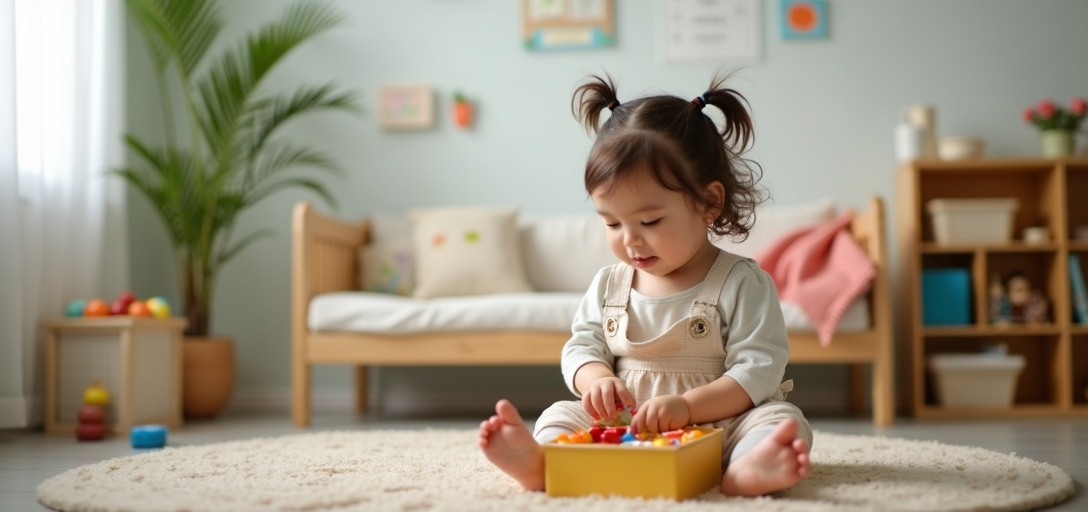
Understanding the Importance of a Suitable Preschool Environment for Children 0-2 Years Old
Choosing the right preschool environment for infants is crucial in the United States, where early childhood education standards are continuously evolving. The environment plays a significant role in shaping children's early developmental stages. With a focus on this age group, we must ask: what makes a preschool environment suitable for children aged 0-2 years old?
Safety: The Foundation of a Good Preschool Environment
Safety should be the top priority when considering a preschool for your infant. The Centers for Disease Control and Prevention (CDC) emphasizes that young children are especially vulnerable, and facilities must implement robust safety measures.
- Childproofing: Ensuring all potential hazards are addressed is crucial. This includes lockable cabinets, secured electrical outlets, and smooth, corner-free furniture.
- Secure Premises: A child-friendly environment should be gated with restricted access to ensure that no child wanders off and that unauthorized guests cannot easily access the facility.
- Emergency Procedures: Staff should be trained in first aid and CPR. Regularly scheduled fire and evacuation drills are essential for preparedness.
Quality of Care: Staffing and Expertise
The quality of care is heavily influenced by the educators and caregivers within the preschool. In 2026, the American Academy of Pediatrics reiterates the importance of qualified personnel in early childhood educational settings.
- Qualified Staff: Teachers and caregivers should have certifications in early childhood education and receive ongoing training.
- Low Child-to-Teacher Ratios: A lower ratio ensures personalized attention and care, which is crucial for children in this developmental stage. The recommended ratio is 1:4 for infants according to the National Association for the Education of Young Children (NAEYC).
Developmentally Appropriate Curriculum
While academics aren't a priority for 0-2 year old children, a curriculum that includes interactive play and exploration is essential. The curriculum should focus on holistic development that nurtures cognitive, emotional, and physical growth.
- Play-based Learning: According to research from the Harvard Center on the Developing Child, play is vital for building brain connections and aiding social-emotional development.
- Stimulating Activities: Activities involving music, art, sensory stimulation (like water and sand play), and movement support early learning and creativity.
Nutrition and Health
Good nutrition and health are foundational for young children's growth and development. Guidelines from the USDA stress the necessity of balanced diets provided by preschools. This also includes having child-friendly meal plans and accommodating for allergies or dietary restrictions.
- Nutritional Meals: Preschools should offer well-balanced, nutritious meals and snacks that follow dietary guidelines suitable for young children.
- Hygiene Practices: Regular handwashing, clean diaper-changing protocols, and sanitized toys and surfaces help maintain a healthy environment.
Parental Involvement and Communication
Establishing strong parent-school relationships enhances the effectiveness of early childhood programs. A 2026 report by the US Department of Education highlights the benefits of parental engagement in early education.
- Frequent Updates: Regular communication through daily reports, emails, or a mobile app keeps parents informed about their child's progress.
- Parent Meetings and Workshops: These provide opportunities for feedback and strengthen the collaboration between caregivers and parents.
The Role of Environment in Emotional and Social Development
Creating an emotionally supportive environment is essential in fostering healthy social relationships. A study from the National Institute of Child Health and Human Development (NICHD) shows the importance of nurturing environments in shaping future social competencies.
- Inclusive Practices: Emphasizing diversity and inclusivity within the classroom encourages acceptance and understanding among children.
- Positive Interaction: Caregivers should support positive, reciprocal interactions among children to build a sense of security and belonging.
The Impact of Technology and Modern Resources
Technology integration, when used appropriately, can enhance learning experiences for young children. However, it should be used sparingly and be developmentally suitable as recommended by the American Academy of Pediatrics.
- Screen Time Policies: Limited screen time, with a focus on interactive and educational content, ensures healthy development.
- Utilization of Modern Resources: Utilizing digital tools for storytelling, music, and art can enrich play experiences when supplemented with traditional methods.
In conclusion, a suitable preschool environment for children aged 0-2 years old in the US encompasses various factors from safety to staffing, and curriculum to parental engagement. Implementing these strategies ensures a nurturing and supportive environment that promotes holistic developments in social, cognitive, and physical realms.
For more insights, check resources like the CDC, the American Academy of Pediatrics, and the NAEYC.