Credit Card Options for Those with a 500–580 Credit Score
Discover credit cards that may approve applicants even with a 500580 credit score. While approval isn't guaranteed, some credit card options cater to those seeking to rebuild their credit profile.
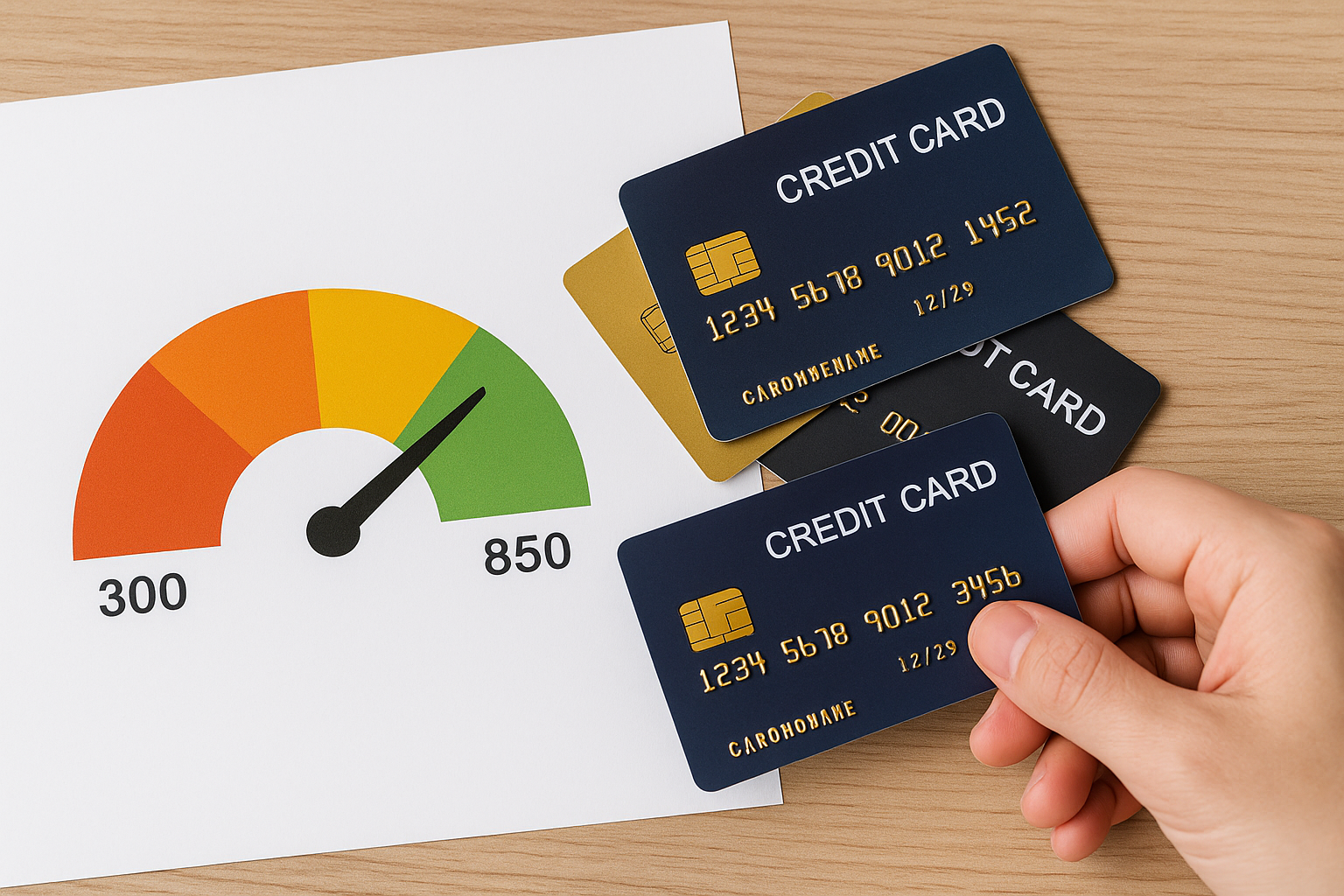
Understanding Credit Cards for Low Credit Scores
Applying for a credit card with a credit score between 500 and 580 might feel daunting, but it's certainly possible and can be a stepping stone to rebuilding your credit. Let's explore key considerations, options available, and steps to choose the best card for your situation.
Why Bank Approvals Vary for Low Credit Scores
Banks vary in how they assess credit card applications because of differing risk appetites. A low credit score signals higher risk to lenders due to potential past financial missteps. However, many banks offer credit cards specifically designed for rebuilding or establishing credit, which come with conditions to mitigate their risk.
- Increased Interest Rates: Low-score applicants often face higher annual percentage rates (APRs) compared to high-score applicants.
- Annual Fees: Some cards come with annual fees to offset potential risk to lenders.
- Security Deposits: Secured credit cards, which require a deposit, offer another avenue for approval.
Types of Credit Cards Available for 500-580 Credit Scores
When considering credit cards for a low credit score, there are typically two main types available: unsecured credit cards and secured credit cards.
Unsecured Credit Cards
These are traditional credit cards that do not require a security deposit. While options might be limited, there are several available to those with fair to poor credit.
Secured Credit Cards
Secured cards require a refundable security deposit, which usually sets your credit limit. This type of credit card is more accessible for those with low credit scores and can serve as a powerful tool for rebuilding credit.
Features to Look For
When selecting a credit card with a low credit score, prioritize features that align with your financial needs and goals. Here are some key features to consider:
- Low Fees: Look for cards with low or no annual fees and avoid cards with excessive hidden fees.
- Reporting to Credit Bureaus: Ensure the card reports to all three major credit bureaus (Experian, Equifax, and TransUnion) to build credit jointly.
- Upgrade Potential: Some cards offer pathways to upgrade to an unsecured card after consistent, positive use.
Real-World Example: Capital One Platinum Secured Credit Card
The Capital One Platinum Secured Credit Card is a solid choice for those rebuilding credit. With a refundable deposit that can be as low as $49 for a $200 credit line, it reports to all major credit bureaus. After demonstrating responsible use, users can become eligible for a credit line increase without an additional deposit.
Steps to Successfully Apply for a Credit Card
Navigating the application process with a credit score of 500-580 involves strategic planning and execution. Follow these steps to increase your chances of approval:
1. Assess Your Financial Situation
Review your credit reports for inaccuracies and consider ways to address outstanding debts. Use free annual credit reports to begin this process.
2. Compare Card Options
Leverage resources like Credit Karma or NerdWallet to compare card options that match your credit profile.
3. Understand the Terms
Carefully read the card's terms and conditions to ensure you understand interest rates, fees, and how payments are applied.
4. Apply Cautiously
Submit applications one at a time, since too many inquiries can further affect your credit score. Consider using pre-qualification tools to check your chances without impacting your score.
FAQs
Is It Possible to Get Rewards with Bad Credit?
While rewards are typically sparse for low credit score cards, some offer modest cash back incentives on certain purchase categories, providing an opportunity to earn while you build credit.
How Long Does It Take to Improve My Credit Score?
Improving your credit score is a gradual process that can take several months to a year. Consistent, on-time payments and maintaining low credit utilization rates are critical practices.
For more information, consider referring to resources like the Consumer Financial Protection Bureau and credible finance platforms such as NerdWallet or Credit Karma. Each offers comprehensive guidance on financial management and credit rebuilding strategies.