Cut Your Electricity Bill: Effective Unplugging Tips for Your Home
Discover how you can potentially save money on electricity with these simple unplug hacks. While results may vary, unplugging devices when not in use could reduce unnecessary energy consumption.
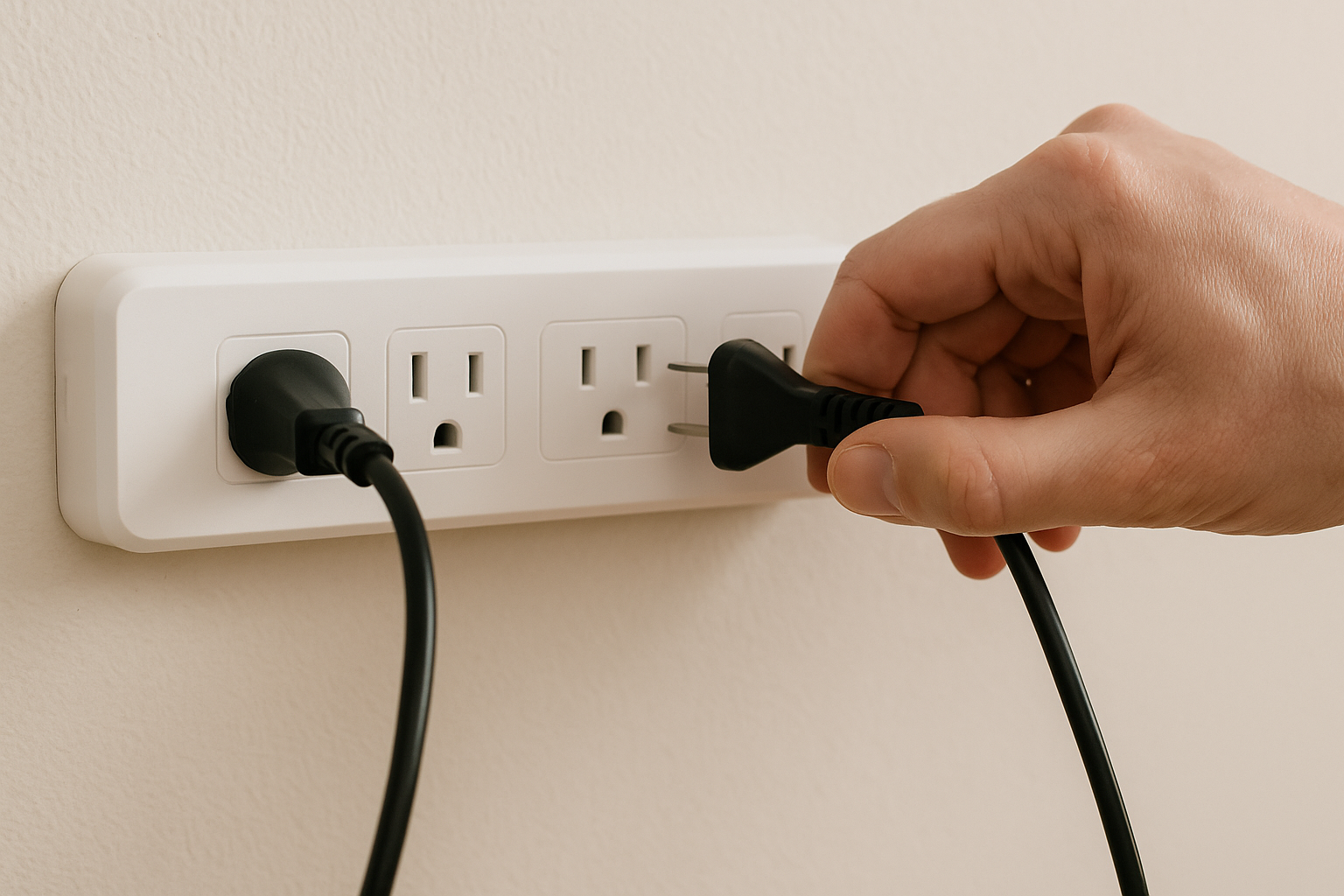
Understanding Your Home Electricity Usage
Before diving into the ways to save money on electricity with simple unplug hacks, it's important to understand how electricity is consumed in your home. This foundational knowledge helps you make informed decisions that effectively reduce your energy costs.
According to the U.S. Energy Information Administration, the average home's electricity usage can be attributed primarily to heating and cooling, water heating, appliances, lighting, and electronics. While you might not be able to unplug your HVAC system, strategic unplugging can significantly impact your electricity bill.
Breaking Down Electricity Consumption
The main contributors to high electricity consumption include:
- HVAC Systems: These systems account for about 48% of the average home's energy use, making them a significant factor in your energy bill.
- Water Heaters: Responsible for roughly 13% of household energy use, water heaters run continually to maintain hot water availability.
- Household Appliances: Items such as refrigerators, washers, and dryers contribute substantially, often due to being utilized daily.
- Lighting: Depending on the type of bulbs used, lighting can be a stealthy drain on electricity.
- Electronics and Miscellaneous : Many electronics, even in standby mode, consume energy, known as "phantom load." These include TVs, gaming consoles, and computer peripherals.
Implementing Simple Unplug Hacks
Unplugging is a straightforward method to cut down on phantom loads. By identifying devices that continue to consume power even when not actively used, you can make a significant dent in your energy consumption.
Key Strategies for Unplugging
- Identify Energy Suckers: Devices like cable boxes, chargers, microwaves with displays, and office equipment should be unplugged when not in use.
- Use Power Strips: Connect devices like TVs and game consoles to a power strip. Turn off the power strip when the devices are not in use to prevent standby power consumption.
- Smart Plugs and Timers: Invest in smart plugs that allow you to schedule when devices should be on or off. This is particularly useful for larger appliances like washers or dryers, which you might forget to unplug manually.
Real-World Examples
For instance, a family that began using power strips on their entertainment systems and unplugged chargers when not in use reported up to a 10% decrease in their monthly electricity bill. Another household that employed smart plugs for their living room and kitchen appliances noticed a decrease in energy consumption by 8% over six months.
The Impact of Unplugging on Energy Costs
With electricity rates in 2026 averaging around 13 cents per kilowatt-hour in the U.S., small changes can lead to noticeable savings over time. A reduction in phantom load not only decreases costs but also minimizes environmental impact by lessening the demand for non-renewable energy sources.
Financial Benefits
On average, U.S. households can save between $100 to $200 annually by reducing standby power consumption. This figure was supported by the Lawrence Berkeley National Laboratory, which highlights that phantom loads account for about 5-10% of residential energy use.
Moreover, unplugging is a no-cost solution that immediately contributes to household savings, making it an attractive option for those looking to cut expenses without upfront investments.
Other Ways to Reduce Electricity Bills
In addition to unplugging devices, here are other methods that can make a difference in your energy bill:
Adopt Energy-Efficient Appliances
Replacing older appliances with Energy Star-certified models can significantly reduce energy consumption. For example, Energy Star refrigerators use about 15% less energy than non-certified models, which can lead to savings of up to $150 over five years.
Optimize Your Thermostat Settings
Savings can also be achieved by adjusting thermostat settings. During cooler months, reducing the temperature by just a few degrees while you're asleep or away from home can reduce heating costs by about 10% annually.
Utilize LED Lighting
Switching to LED lighting not only cuts energy use by up to 75%, but LEDs also last about 25 times longer than traditional incandescent bulbs, decreasing the need for replacements.
By applying these unplug hacks and additional strategies, you can start seeing a positive difference in your energy bill, all while contributing to environmental sustainability.
For more tips on reducing your electricity costs, the U.S. Department of Energy's Energy Saver Guide offers a wealth of resources.