Cutting-Edge Military Electronics Available Today
Discover the cuttingedge world of top military electronics on the market. From advanced communication systems to stateoftheart navigation tools, the latest innovations offer incredible capabilities for modern warfare. Explore various options to find the perfect fit for specialized applications.
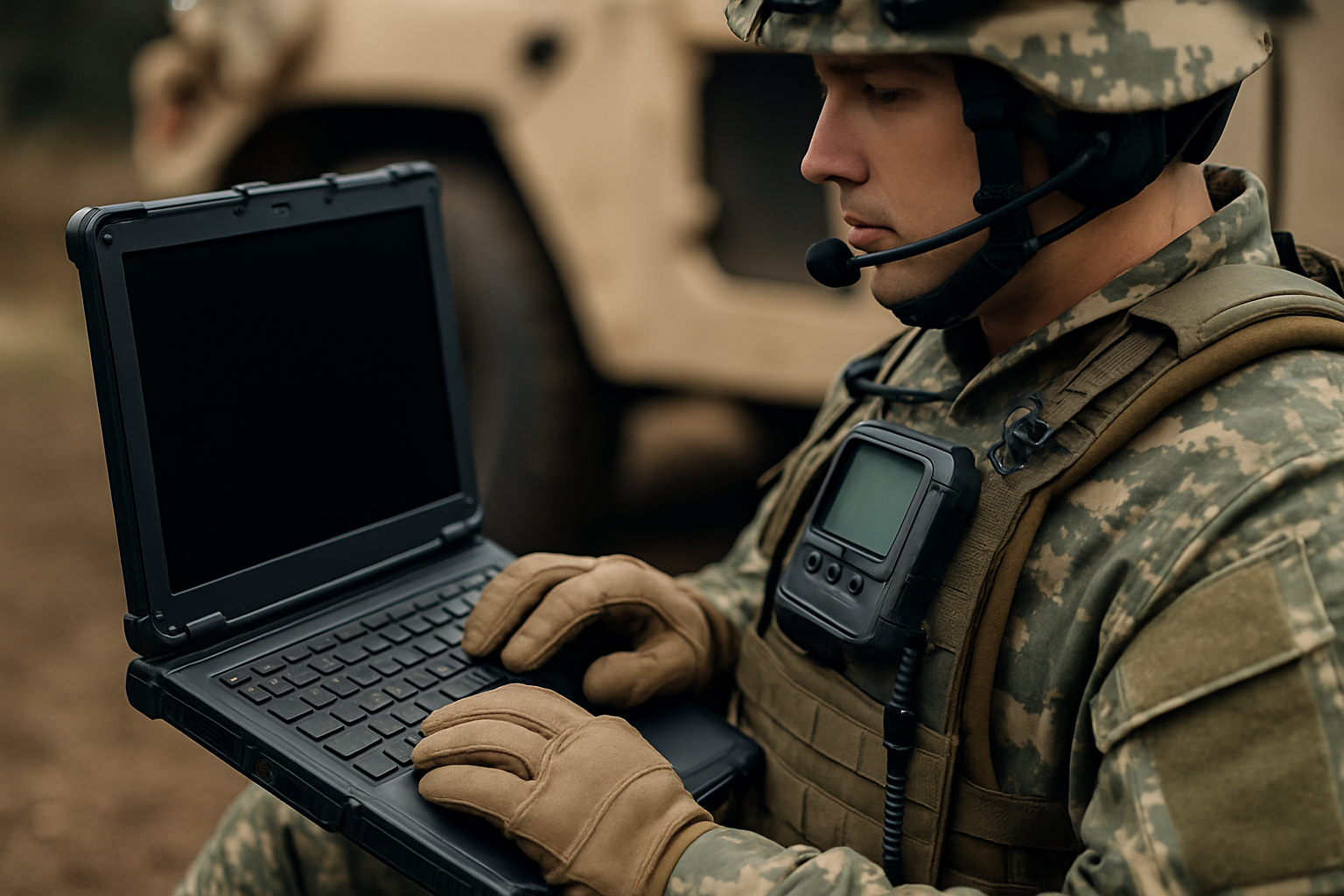
The Evolution of Military Electronics
The realm of military electronics has undergone a rapid transformation in recent years. These advancements have not only changed the battlefield but have also expanded the reach and capabilities of armed forces across the globe. In 2026, the focus is primarily on enhancing precision, connectivity, and survivability through state-of-the-art technology.
Understanding this evolution is crucial for grasping the future direction of defense initiatives. From enhanced communications systems to advanced radar and detection technologies, military electronics form the backbone of modern defense strategies.
Defining Military Electronics in 2026
Military electronics encompass a wide range of devices and systems used for surveillance, reconnaissance, communication, and weaponry. The key areas of focus include:
- Missile Defense Systems: Technologies that provide accurate detection, tracking, and interception of incoming threats.
- Cyber Defense Tools: Advanced software solutions designed to protect military networks from cyber threats.
- Communication Networks: High-tech systems enabling instantaneous and secure communication among military units.
- Unmanned Systems: Drones and robotic units that perform reconnaissance and combat duties.
The Impact of AI on Military Electronics
Artificial Intelligence (AI) plays a pivotal role in transforming military electronics. It aids in processing vast amounts of data quickly, providing strategic advantages. AI-driven platforms offer predictive analytics and decision-making assistance, crucial for mission-critical operations.
A recent report from the Defense Daily emphasizes that AI integration in military systems has optimized operational efficiency by 30% in 2026, highlighting an ongoing trend towards smarter, AI-powered warfare technologies.
Key Players in Military Electronics
Leading Manufacturers
Many companies have established themselves as leaders in military electronics, such as:
- Lockheed Martin: Known for its advanced radar systems and communication technologies.
- Raytheon Technologies: Specializes in missile systems and cyber defense tools.
- Northrop Grumman: A pioneer in drone technology and stealth capabilities.
Innovation and Investment Trends
With global defense budgets on the rise, investment in military electronics is doubling down. According to a recent study by Janes, expenditures on military electronics are projected to reach an unprecedented $300 billion by 2026.
The demand for cutting-edge solutions is driving innovation, leading to partnerships between traditional defense manufacturers and tech firms focused on AI and machine learning.
Examples of Cutting-Edge Military Electronics
Advanced Radar Systems
Modern radar technology has leveraged new developments to enhance range, accuracy, and stealth detection. An example is the AN/APG-83 Scalable Agile Beam Radar (SABR) used in fighter jets, which offers all-weather capability and multi-target tracking.
Unmanned Aerial Vehicles (UAVs)
Drones have become essential, with systems like the MQ-9 Reaper providing real-time intelligence and tactical advantage. Equipped with sophisticated sensors, these UAVs offer persistent surveillance and targeting capabilities.
Laser Weapon Systems
Emerging as a powerhouse in defensive capability, laser systems are designed to neutralize threats quickly and with precision. The Optical Dazzling Interdictor, Navy (ODIN) serves as a strategic countermeasure against adversarial unmanned systems.
Challenges and Ethical Considerations
Despite the promise of military electronics, there are challenges and ethical considerations. Issues like cybersecurity threats, data misuse, and the implications of autonomous weapons systems remain topics of intense debate.
Ensuring these systems' security and ethical use is a priority, with international discussions focusing on establishing robust frameworks and guidelines. Initiatives like the UN Disarmament Treaty underscore the need for a balanced approach.
Conclusion
The landscape of military electronics in 2026 is defined by rapid innovations and increased integration of AI technologies. While the advancements present unprecedented opportunities for defense capabilities, they also demand careful oversight and strategic regulation to address emerging challenges.
As the industry evolves, staying informed and critically engaged with the technology helps ensure that these advancements contribute positively and ethically to global security.