Deciding Between Electric Bikes and Scooters: A Guide to Finding Your Perfect Ride
Are you confused between electric bike and electric scooter choices? Discover how these ecofriendly options differ in convenience, speed, and comfort. Whether you seek a swift city commute or a leisurely ride, understanding the nuances can help make a more informed decision.
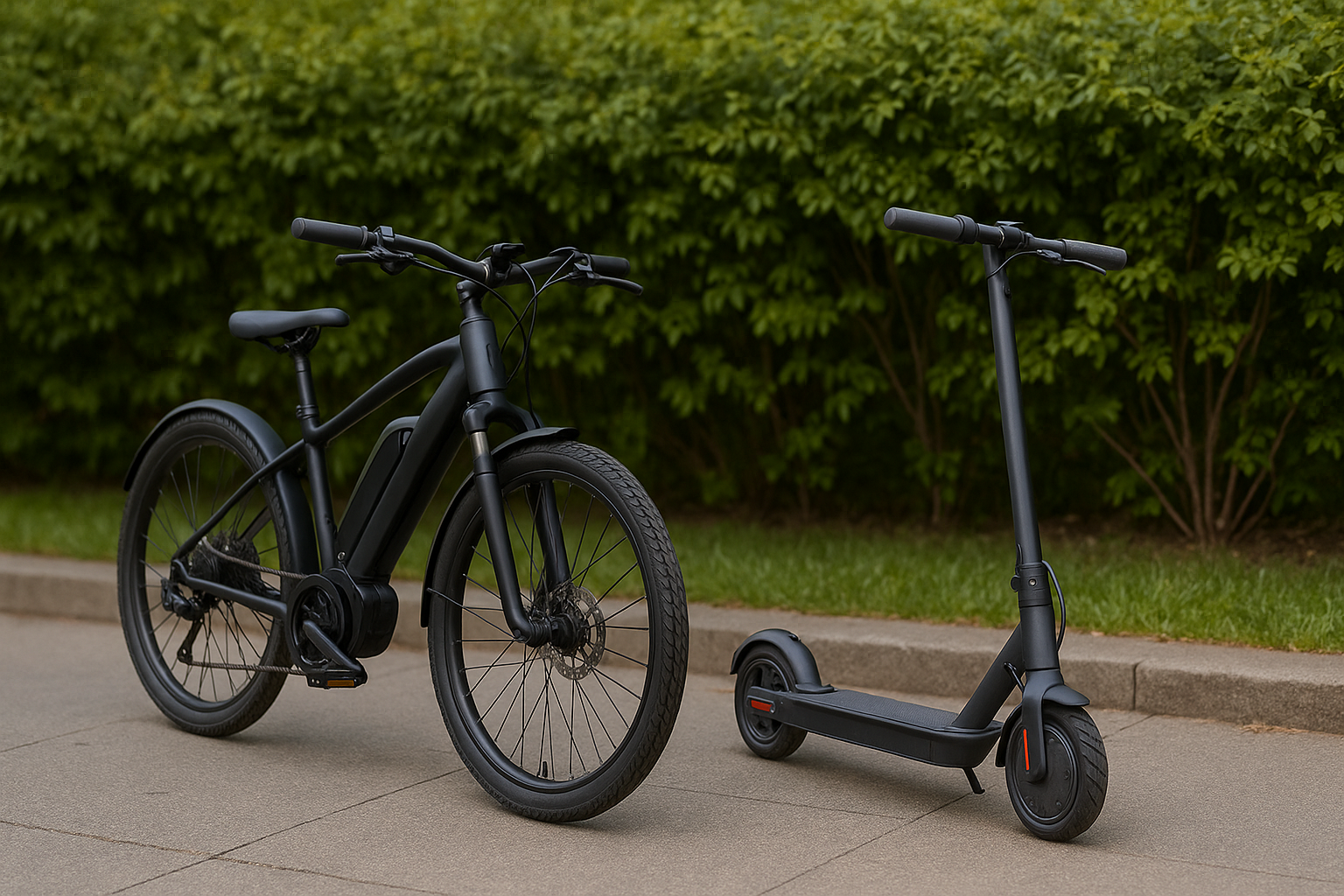
Overview: Understanding Electric Bikes and Electric Scooters
As the world moves towards sustainable transportation options, electric bikes (e-bikes) and electric scooters have gained significant popularity. They offer a convenient, eco-friendly alternative to traditional vehicles, especially for urban commuters. But with both offering unique advantages, how do you decide which is right for you? This article breaks down the key differences between e-bikes and electric scooters to help you make an informed choice.
What are Electric Bikes and Electric Scooters?
Electric Bikes Explained
An electric bike is a bicycle integrated with an electric motor to assist with propulsion. These bikes generally come with pedal-assist, which means the motor helps you pedal, making it easier to tackle hills and long distances without breaking a sweat. Some models also feature a throttle, enabling fully electric riding.
Example: The latest 2026 models such as the RadCity 5 Plus have enhanced torque and battery life, providing a mileage of up to 50 miles per charge. [1]
Electric Scooters Explained
Electric scooters are typically two-wheeled vehicles powered by an electric motor. Unlike e-bikes, scooters operate primarily via a throttle system, requiring no pedaling. They are designed for short city rides and often fold for easy portability.
Example: Models like the 2026 Segway Ninebot MAX G30 have improved battery systems, offering a range of 40 miles per charge. [2]
Key Considerations: Choosing Between E-Bikes and E-Scooters
Cost Considerations
The initial cost of electric bikes is generally higher than electric scooters, with prices ranging from $1,000 to over $3,000. On the other hand, electric scooters are available for as little as $300 to $1,500 depending on features.
Recent Trend: In 2026, e-bike prices have increased slightly due to advancements in battery technology and design improvements, while e-scooter prices have remained relatively stable. [3]
Speed and Distance
E-bikes typically offer higher top speeds than e-scooters, with some reaching up to 28 mph, while e-scooters commonly range between 15 to 20 mph. For commuting longer distances, an e-bike might be more suitable.
Fact: Recent regulations in some countries limit e-scooter speeds for safety purposes, affecting their appeal for longer commutes.
Portability and Ease of Use
If portability and storage are significant concerns, electric scooters have an edge as they are generally lighter and foldable, making them easy to carry and store in tight spaces.
E-bikes, however, offer more stable rides and are better for those willing to pedal for exercise or in mixed conditions (e.g., on-road and light off-road).
Sustainability and Environmental Impact
Both electric bikes and scooters provide zero-emission rides, making them green alternatives to gasoline-powered vehicles. They contribute to reducing urban pollution and help cities move toward sustainable transportation systems.
According to recent studies in 2026, increasing the use of e-bikes and scooters in urban areas could reduce city carbon footprints by up to 15%. However, electric bikes have a slight advantage due to the overall longer lifespan of their batteries compared to most e-scooters.
Conclusion: Making the Right Choice
The decision between an electric bike and an electric scooter depends on your specific needs, such as travel distance, budget, and lifestyle preferences. If you primarily need a vehicle for short rides and ease of transport, an electric scooter might be the right choice. However, if you're seeking a versatile option that can handle longer commutes and varying terrains, an electric bike could be a better fit.
Ultimately, both options facilitate a greener commute and an enjoyable travel experience. By understanding the key differences and your personal needs, you can confidently make a choice that aligns with your lifestyle.