Decoding Gold Rings: Your Guide to Pre-Owned Valuation in 2026
Discover the nuances of preowned gold rings valuation. Our guide provides expert insights, helping you understand the factors driving the current valuation of preowned gold rings. Learn how current market trends impact the valuation of preowned gold rings in 2026.
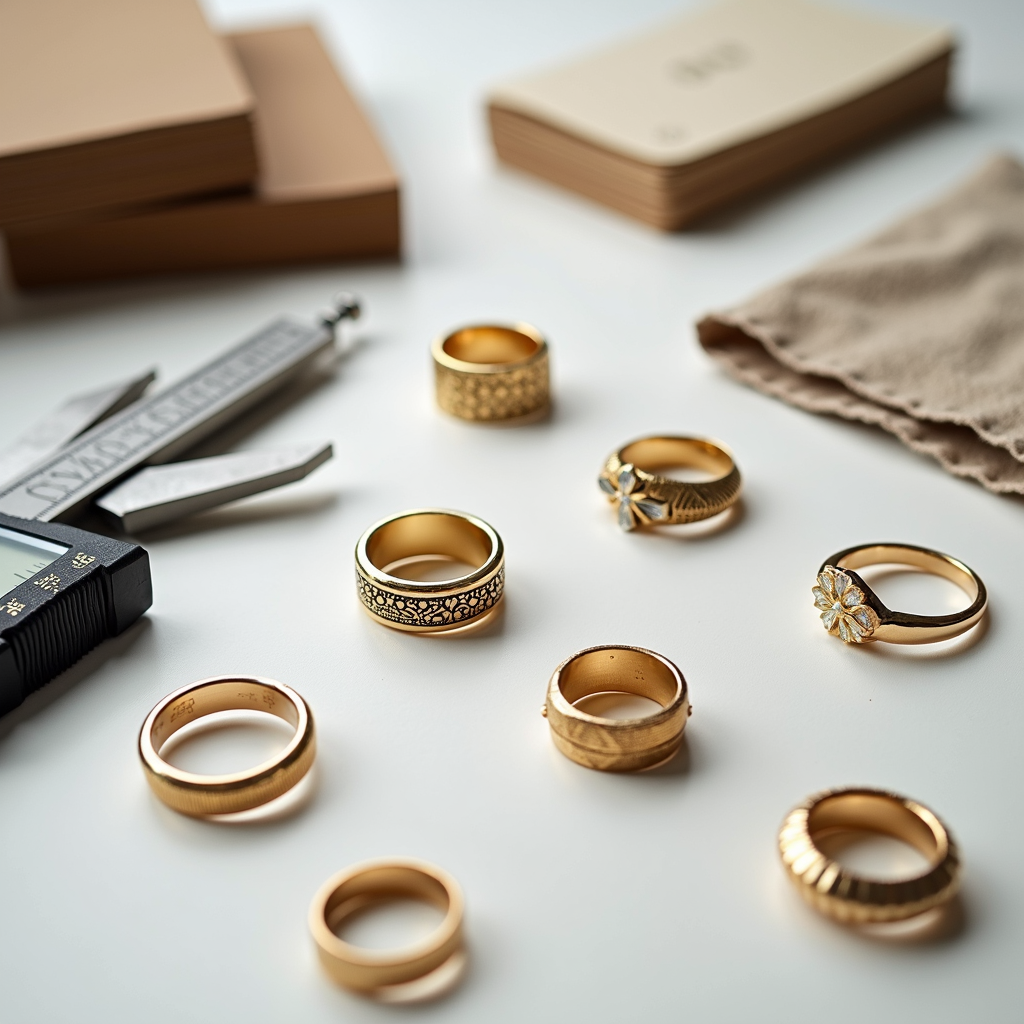
Understanding the Core Components of Gold Ring Valuation
When considering the value of a pre-owned gold ring, most people default to the obvious assumption: it’s determined solely by the weight of the gold metal. While the purity and weight are foundational, a truly comprehensive valuation requires analyzing multiple components—including the craftsmanship, the gold alloy used, and the current global market dynamics. Approach this process not as a single calculation, but as a multi-faceted appraisal of material worth and aesthetic value.
The Science of Purity: Beyond the Karat Mark
Gold purity is typically measured in either carats (K) or parts per thousand (parts per mille, or ppm). The most common grading system is the karat scale, where 24K represents pure gold (100% gold). If your ring is marked 18K, it means it is 18 parts gold out of 24, equaling 75% purity. The remaining percentage is composed of other metals, which are alloys, used to give the gold strength and durability. This alloying process is critical to understanding value.
- 10K Gold: Contains 41.7% gold (low strength, durable for costume jewelry).
- 14K Gold: Contains 58.3% gold (a popular balance of value and resilience).
- 18K Gold: Contains 75% gold (highly desirable, balancing purity with wear resistance).
- 22K Gold: Contains 91.7% gold (often used for fine jewelry, achieving a beautiful color and decent malleability).
It is essential to remember that the lower the purity (e.g., 10K), the more the value depends on the physical weight, as the gold content itself is reduced. Conversely, a 22K piece, even if slightly lighter than an 18K piece, might hold more inherent value due to its higher gold content. Professional appraisers use specific acid tests to verify the metal content, ensuring the marking on the ring is accurate. Never rely solely on the visual marking; professional verification is paramount.
The Art of Design: Assessing Craftsmanship and Materials
If the metal dictates the ‘material value’ of the ring, the design dictates the ‘collector value.’ A ring, regardless of how pure the gold is, can be worth significantly more or less based on its aesthetic merits. When valuing high-end, antique, or designer pieces, appraisers consider several factors:
- Complexity of Setting: Rings featuring intricate settings for gemstones (like pavé or milgrain work) demonstrate higher levels of craftsmanship and are valued accordingly.
- Historical Significance: Art Deco, Victorian, and Edwardian eras often feature distinctive, recognized styles. A piece that fits within a specific historical period can gain significant provenance value.
- Gemstone Quality: If the ring contains stones, their individual value (4Cs: Cut, Color, Clarity, Carat) is assessed separately. Even if the gold is modest, exceptional stones can elevate the ring’s overall market price.
In 2026, with increased global appreciation for vintage and ethical jewelry, the documentation of a ring's history (provenance) is a major driver of value. Does the piece come with original paperwork? Does it bear the hallmarks of a recognized master jeweler? These details move the valuation beyond mere commodity exchange.
The Dynamic Pricing Landscape in 2026: Market Fluctuations
Gold is not merely a jewelry metal; it is a globally recognized asset class. Therefore, the price of your pre-owned ring is directly influenced by macroeconomic forces—inflation, interest rates, and geopolitical stability. Understanding this connection is key to realizing a fair valuation.
Global Commodity Pricing vs. Jewelry Pricing
There is a crucial distinction to be made between the spot price of gold (the commodity price per ounce, tracked on major exchanges) and the retail value of a pre-owned ring. The spot price is the foundational element, but the final valuation must account for "the spread"—the markup necessary to cover the jeweler’s labor, cleaning, authentication, and operating costs. When you are selling, you are selling a combination of raw commodity metal and finished craftsmanship.
Recent economic reports from early 2026 suggest periods of high volatility. Central bank buying and geopolitical uncertainty have kept the raw gold market elevated. Buyers and sellers must be prepared for pricing fluctuations that can change significantly over even a few weeks. Therefore, receiving a valuation estimate should always be paired with a discussion of the expected timeframe for sale, allowing you to anticipate potential market shifts.
The Impact of Market Demand and Trend Cycles
The secondary market for pre-owned gold is heavily influenced by fashion cycles. Jewelry trends shift rapidly. For instance, certain styles (like minimalist bands or maximalist statement pieces) may experience a boom in desirability at specific times. An expert appraiser won't just calculate grams; they will contextualize the piece within current fashion and collecting trends. This informed perspective prevents the buyer from overvaluing merely old material and helps the seller understand the current market appetite for their specific style.
Navigating the Valuation Process: Expert Due Diligence
Given the complexity of the factors involved, getting an accurate, trustworthy valuation requires structured due diligence. Whether you are buying a potential heirloom or selling a valuable piece, preparation is everything.
Professional Appraisal vs. Online Estimates
While online valuation tools are convenient starting points, they are inherently limited because they cannot account for physical condition, unique design elements, or verifiable history. A true professional appraisal—conducted by a certified gemologist or jeweler—is necessary because it involves several critical steps:
- Hallmark Authentication: Verifying the purity (the K or karat stamp) and identifying the potential hallmark of the original manufacturer.
- Structural Assessment: Checking for structural weaknesses, gold wear, or damage that affects the piece’s overall integrity.
- Gemstone Grading: Using specialized equipment to grade all included stones (if applicable), ensuring they are clean and intact.
A reputable appraiser should provide a detailed, written report itemizing all components of the valuation (metal weight, gold purity, craftsmanship value, and gem value) rather than providing a single, lump sum price. This transparency is non-negotiable.
Maximizing Your Return When Selling Pre-Owned Gold
If your goal is to liquidate the piece for maximum value, timing and preparation are your greatest assets. Some actionable strategies include:
- Research Local Buyers: Understand the difference between buying from a quick "weigh-and-go" pawn shop (which will offer the lowest bid) versus working with a specialized jeweler or dealer who specializes in vintage gold.
- Cleaning and Presentation: A clean ring photographs better and appears more valuable. Gently polishing the piece does not alter its intrinsic value but significantly improves the perceived aesthetic value.
- Documentation: Gather every piece of documentation you have—original boxes, receipts, or letters of appraisal. These papers are often worth more than the gold itself.
Remember that a professional jeweler may offer to pay you less than the appraised value, but they provide immediate cash, eliminating the hassle of a private sale. Conversely, selling privately can yield a higher return but requires significant effort in marketing and negotiation.
Common Pitfalls and Expert Contextualization
In the market of pre-owned luxury goods, there are common traps that every informed buyer and seller should recognize. Being educated about these pitfalls is the most valuable part of any valuation.
Beware of "Stolen Gold" and Misrepresented Hallmarks
Unfortunately, the secondary gold market can be susceptible to fraud. Always verify the authenticity of the hallmarks. Furthermore, buyers must be vigilant about sourcing. Purchasing or selling through established, reputable channels that require verifiable identification and documentation helps mitigate the risk of dealing with illegally sourced or misrepresented goods.
Understanding Gold Alloy Choice
While 18K is popular, different alloys are sometimes mixed in to disguise lower purity. Look for expert advice on the common alloys used (like copper, silver, and zinc) and how they affect the ring's stability. A high-quality piece will show a consistent, professional finish that speaks to its metallurgy.
The Future Outlook (2026+): Gold as a Hedge
As economic uncertainty persists, gold has solidified its role not just as adornment, but as a reliable hedge against inflation. From an investment perspective, a pre-owned gold ring can function as a liquid, physical asset. Knowing this contextual value helps shift the conversation from simply "what is this made of?" to "what is this worth as a stable store of wealth?"
In conclusion, valuing a pre-owned gold ring is a convergence of metallurgy, historical art, current economic data, and professional expertise. By understanding the core principles of karat weight, the influence of global gold pricing in 2026, and the importance of professional, detailed appraisal, you can confidently determine the true and comprehensive worth of your unique piece.
Further Reading and Resources: