Demystifying Dental Implant Coverage for Seniors
Explore the essentials of dental implant coverage for seniors in our comprehensive guide. Understand the options available, whether you're considering implants for the first time or exploring better coverage.
Understanding Dental Implant Coverage for Seniors
For many seniors, maintaining oral health is crucial for overall well-being, and dental implants offer an excellent solution for missing teeth. However, navigating the coverage options for these implants can be challenging. This guide aims to demystify dental implant coverage, focusing on what seniors in the US should know.
What Are Dental Implants?
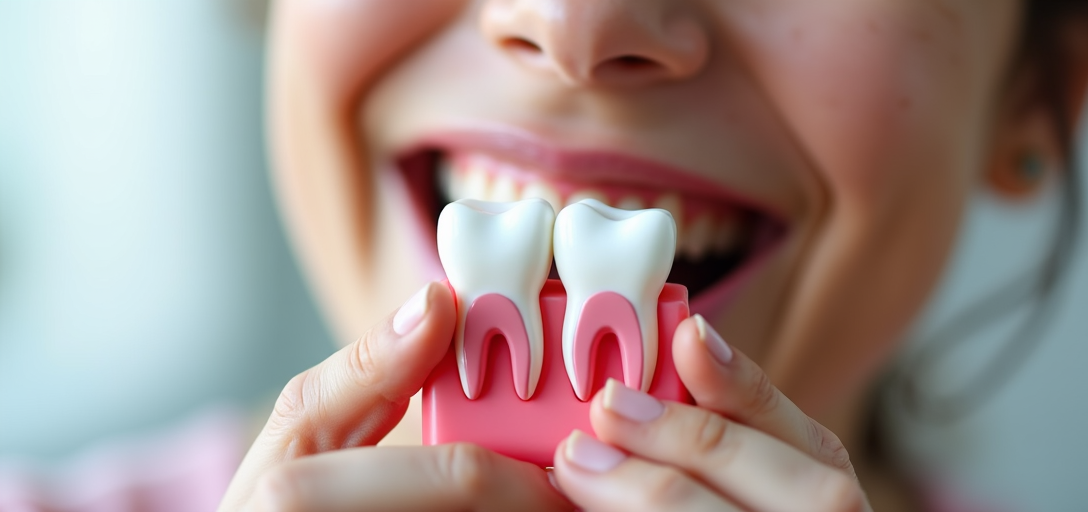
Dental implants are artificial tooth roots that provide a permanent base for fixed or removable replacement teeth. They are visually indistinguishable from natural teeth and have become popular due to their durability and functionality.
- Structure: Composed of titanium posts that are surgically placed into the jawbone, providing stability.
- Benefits: Improve facial structure, prevent bone loss, and enhance chewing and speech abilities.
Why Seniors Opt for Dental Implants
Seniors often face tooth loss due to age, periodontal disease, or other health issues. Dental implants offer a preferable alternative to dentures:
- Permanent Solution: Unlike removable dentures, implants offer a long-term solution.
- Natural Look: Designed to match your natural teeth, offering aesthetic benefits.
- Bone Health: Help maintain the jawbone strength by providing stimulation like natural tooth roots.
Dental Implant Coverage Options
When it comes to dental insurance for seniors, coverage for implants can vary significantly. Understanding these options can help in making an informed decision.
Medicare and Dental Implants
Original Medicare (Parts A and B) does not cover dental care, including implants. However, some Medicare Advantage plans (Part C), offered by private insurers, may provide limited dental coverage.
- Check Specific Plans: Coverage can include dental implants in specific cases. It's critical to explore plan details.
- Annual Allotments: Many Medicare Advantage plans offer annual dental allowances. Assess if the coverage meets your needs.
Medicaid Coverage
Medicaid's dental benefits for adults vary by state. Some states might cover dental implants under specific conditions.
- State Variations: Coverage differs by state and might focus on emergency services more than preventive or restorative treatments.
- Find Local Information: Visit Medicaid's official site to learn about your state's policies.
Private Dental Insurance
Private dental insurance plans sometimes offer implant coverage, but it usually involves higher premiums or specific conditions.
- Waiting Periods: Many plans impose a waiting period before coverage kicks in for major procedures like implants.
- Annual Maximum Benefits: Often capped, potentially impacting extensive dental work costs.
Discount Dental Plans
Instead of insurance, discount dental plans offer benefits based on a network of dentists offering lower rates to plan members.
- Fee Reductions: Members can get significant discounts on implants, sometimes up to 50% off.
- No Waiting Period: Can be used immediately upon enrollment, unlike some insurance plans.
How to Choose the Right Coverage
Choosing the right coverage involves evaluating personal needs, financial constraints, and the available options.
Assessing Your Needs
- Current Oral Health: Regular check-ups can help predict future dental issues, guiding coverage decisions.
- Financial Situation: Consider costs like premiums, deductibles, and out-of-pocket maximums.
Comparing Plans
It's crucial to compare multiple plans to determine which offers the best value for your dental needs.
- Coverage Details: Look beyond the premium; consider how much of the implant cost the plan covers.
- Network Dentists: Verify that preferred dentists or dental specialists are part of the plan's network.
Cost of Dental Implants in 2026
Understanding the financial landscape is key. In 2026, the average cost of a single dental implant in the US ranges from $3,000 to $4,500.
- Complex Procedures: Costs can increase with additional needs like bone grafts or sinus lifts.
- Geographic Variation: Prices fluctuate based on location and the level of expertise required.
For updated procedures and pricing, visit American Dental Association.
Conclusion
Dental implants are a valuable investment in your oral health, especially for seniors looking for stability and aesthetics. Navigating coverage options can seem daunting, but with the right information and strategic planning, finding a suitable plan is achievable. Evaluate personal dental needs, compare available insurance and discount plans meticulously, and consult your dentist to make an informed decision.