Descubra o Futuro da Habitação Popular em Ribeirão Preto: CDHU 2026
Descubra mais sobre o CDHU Ribeiro Preto Habitao Popular 2026 e as oportunidades que ele pode trazer para sua comunidade. Com novas diretrizes e planos em andamento, este projeto visa atender s necessidades habitacionais de muitas famlias.
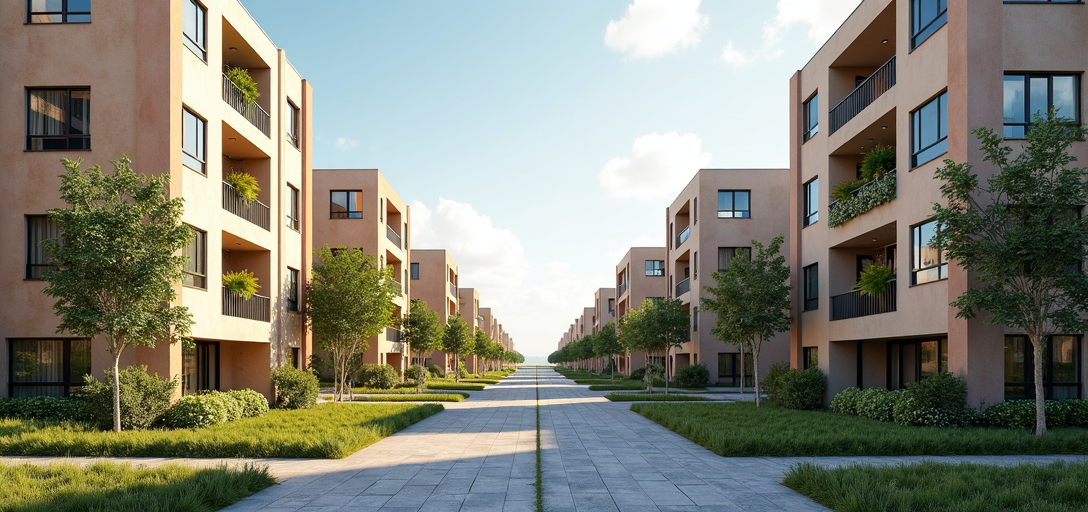
Understanding CDHU Ribeirão Preto Habitação Popular 2026
The topic of "CDHU Ribeirão Preto Habitação Popular 2026" sparks curiosity about affordable housing initiatives, particularly in the context of Brazil’s social housing programs. The Companhia de Desenvolvimento Habitacional e Urbano (CDHU) plays a crucial role in providing affordable housing solutions to the underprivileged in São Paulo state, including Ribeirão Preto.
This blog aims to address common questions and provide detailed insights into the program, the general challenges of urban housing, and how initiatives like this seek to support communities in need. We will dive into the workings of CDHU, recent developments, and their impact on the residents of Ribeirão Preto.
What is CDHU?
The Companhia de Desenvolvimento Habitacional e Urbano (CDHU) is a government entity responsible for the development and implementation of housing projects across São Paulo state. Established to address the chronic housing shortage, CDHU focuses on constructing and maintaining affordable housing units for low-income families.
CDHU projects typically include residential buildings with basic amenities, reflecting the organization's commitment to improving living standards through sustainable and inclusive urban development. As of 2026, CDHU has contributed significantly to reducing the housing deficit in various municipalities, including Ribeirão Preto.
The Importance of Housing Projects in Ribeirão Preto
Ribeirão Preto, known for its strong agribusiness sector, has witnessed rapid urbanization. While economic growth has brought prosperity, it has also heightened challenges related to housing affordability and accessibility. Many families in Ribeirão Preto face inadequate living conditions due to high rental costs and limited housing availability.
Housing projects like those initiated by CDHU are therefore vital. They provide residents with stable, decent housing options, helping reduce socio-economic disparities. Moreover, these projects align with broader urban planning initiatives aimed at fostering sustainable cities in Brazil.
Key Factors Driving Housing Demand
- Population Growth: Increasing migration to urban centers like Ribeirão Preto has intensified the need for affordable housing.
- Economic Disparities: Low-income groups continue to struggle with home ownership due to rising real estate prices.
- Urban Rejuvenation: The need for modern, sustainable infrastructures in outdated city areas drives demand.
How CDHU Projects Aid in Urban Development
CDHU’s housing projects are strategically designed to promote holistic urban development. By providing affordable homes, these initiatives help stimulate the local economy, create job opportunities, and enhance the quality of life for residents.
The projects include community spaces, educational facilities, and healthcare centers, ensuring that residents have access to essential services within close proximity. Such infrastructure supports community well-being and fosters social cohesion.
Benefits of CDHU Housing Projects
- Improved Living Standards: Residents gain access to improved housing conditions, leading to better health and overall well-being.
- Economic Empowerment: Ownership of affordable housing uplifts families economically, allowing them to invest in other essential areas.
- Community Development: Projects incorporate communal spaces, facilitating interactions and community building.
Timeline and Future Prospects for CDHU in 2026
As of 2026, CDHU is on track with its ambitious plans to deploy new housing units in Ribeirão Preto and other regions. According to recent reports, over 2,000 new homes are slated for construction within the year in Ribeirão Preto alone (source: Government of São Paulo).
The future prospect of these projects is promising, with plans to incorporate cutting-edge ecologically sustainable practices and technologies in future developments. CDHU remains committed to enhancing urban infrastructure resilience against climate change effects, ensuring its projects align with global sustainability goals.
Challenges and Opportunities Ahead
- Funding: Securing continuous funding streams remains a challenge, necessitating innovative financial models and partnerships.
- Technological Adoption: Integrating smart technologies for sustainable living will be essential as cities look to modernize.
- Community Engagement: Fostering partnerships with community members ensures that housing solutions meet actual needs and preferences.
Conclusion: The Impact of CDHU Ribeirão Preto on Social Equity
CDHU's efforts in Ribeirão Preto symbolize a significant step toward inclusive urban development. As Brazil continues to address its housing challenges, projects like these highlight the importance of strategic, well-planned social housing initiatives.
The future of urban housing in Brazil will depend on the successful implementation of such projects, which serve as examples of tackling housing inequality and promoting sustainable urban growth. Encouragingly, initiatives like CDHU Ribeirão Preto Habitação Popular 2026 pave the way for a more equitable urban society where opportunity and resources are more evenly distributed (source: Caixa Econômica Federal).
Through continued support and investment in housing, Brazilian cities can nurture environments that reflect the ideals of equality, sustainability, and community strength.