Design Your Dream Home Theatre on a Budget
Transforming your living room into a spectacular, budgetfriendly home theatre doesn't require a fortune. Explore creative ways to optimize your space and equipment for a cinemalike experience at home.
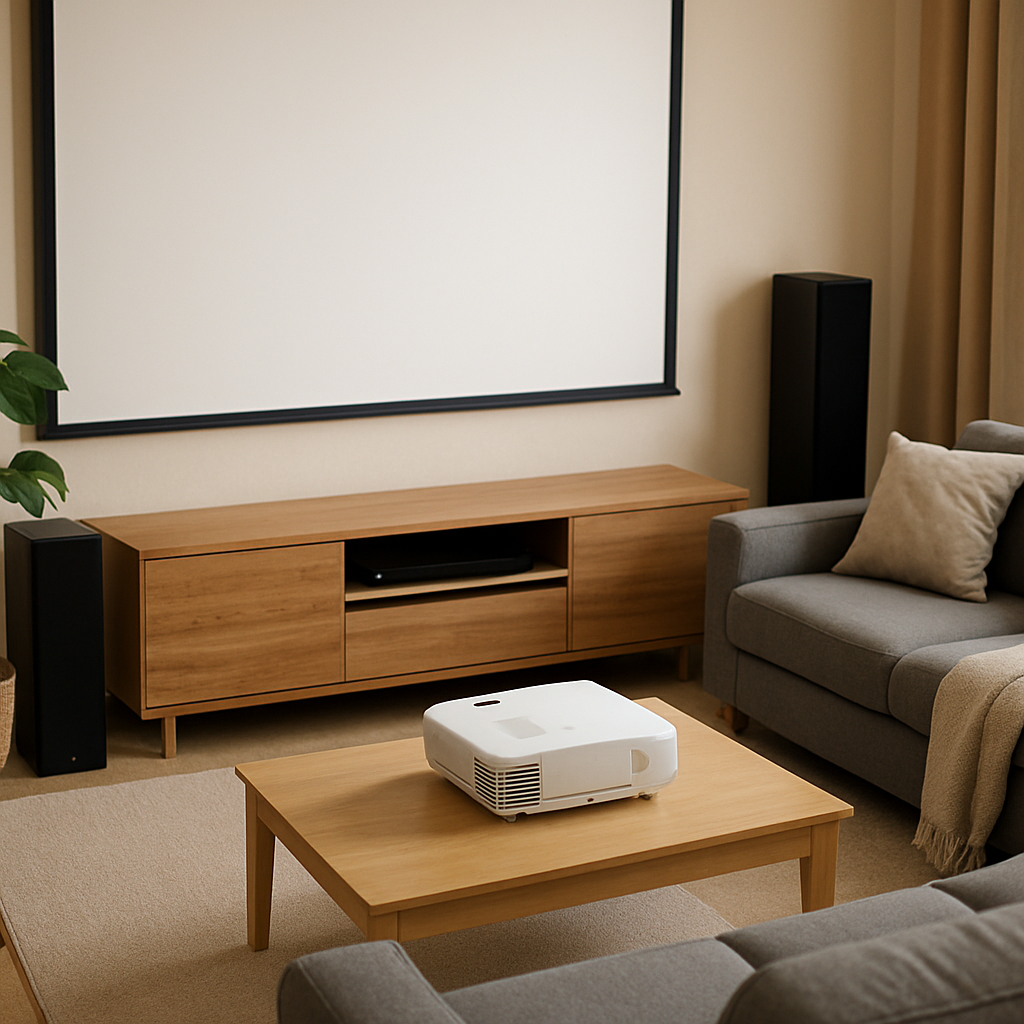
Understanding the Basics of a Home Theatre
Creating a budget-friendly home theatre involves more than just buying a big screen TV. It’s about understanding the key components that make up a home theatre and how to choose each component wisely to fit your budget without compromising on quality. Let's dive into the essential elements that form the foundation of a home theatre system.
Key Components of a Home Theatre
- Display: This could range from a large-screen LED TV to a projector, depending on your preference for screen size and viewing experience.
- Sound System: Includes speakers, an AV receiver, or a soundbar to provide surround sound for an immersive experience.
- Source Device: These devices (e.g., Blu-ray player, streaming devices like Roku or Fire TV) provide the media content you will watch.
- Seating and Room Setup: Comfortable seating and proper room lighting and acoustics are crucial for a true cinema-like feel.
Setting a Realistic Budget
When planning a home theatre, it’s important to set a realistic budget. Consider how much you’re willing to allocate for each component and prioritize based on what matters most to you.
Budget Breakdown Tips
- Display: Plan to spend about 30-40% of your total budget here. If you opt for a projector, consider additional costs for a screen and mount.
- Audio System: Allocate 20-30% of your budget for speakers and sound systems to ensure quality sound.
- Source and Cables: Budget about 10-15% for a quality source device and necessary cables.
- Seating and Decor: Allow 15-20% for comfortable seating and room enhancements like rugs or curtains.
A recent study by the Home Theatre Association in 2026 suggests that on average, DIY home theatres cost between $1,000 and $5,000, depending on the equipment quality and room modifications (Home Theatre Association, 2026).
Choosing the Right Display
Your choice of display will significantly impact your viewing experience. Here's how to make the appropriate choice for your home theatre setup.
TVs vs. Projectors
When deciding between a TV and a projector, consider your room size, viewing distance, and lighting conditions. TVs are generally better suited for brighter rooms where watching is done during daylight. However, if you have a dedicated, dimly-lit room, a projector can provide a larger viewing image for a cinematic feel.
According to the 2026 TechRadar Consumer Report, TVs in the range of 65 to 75 inches are ideal for most home theatres, striking a balance between screen size and affordability.
Projector Features to Consider
- Resolution: Opt for at least 1080p for clarity, but 4K projectors offer superior image quality if within budget.
- Lumens: Ensure the projector has adequate lumens for clear images, typically 2000 lumens or more for darker rooms.
- Throw Ratio: Keep in mind your room size and how far you can place the projector from the screen or wall.
Optimizing Your Audio Experience
Sound is often as important as the visuals in a home theatre. Here are some tips for getting the most out of your audio setup without breaking the bank.
Speaker System Configurations
- 2.1 Channel: Consists of two speakers and a subwoofer. Suitable for smaller rooms and those on a tight budget.
- 5.1 Channel: The standard home theatre setup includes five speakers and a subwoofer, offering a more immersive experience.
- Sound Bars: A budget-friendly alternative to multiple speakers, often equipped with virtual surround sound technology.
Placement and Acoustic Tweaks
Speaker placement and room acoustics greatly affect sound quality. The speakers should ideally form an equilateral triangle with the viewing position. Consider acoustic panels or rugs to absorb excessive sound reflections and enhance clarity.
Enhancing Comfort with Seating and Room Setup
Seating is more than just comfort; it's about how you accessibly arrange your space for the best viewing angle. Here's how to make your home theatre the perfect gathering place.
Seating Arrangement Tips
- Ergonomic Design: Choose seats that provide support, such as recliners with head and footrests.
- Distance from Screen: Find the optimal viewing distance by dividing the screen diagonal by .84 for a comfortable viewing experience.
Room Lighting and Decor
Lighting can make or break your home theatre experience. Opt for dimmable lights or smart bulbs to adjust brightness levels easily. Heavy drapes or blackout curtains can further enhance your viewing by controlling outside light sources.
Final Thoughts
Creating a budget-friendly home theatre is entirely achievable with some careful planning and strategic purchasing. By focusing on what is most important to you and allocating your budget accordingly, you can save money while enjoying fantastic film and TV experiences right from your home. With the rapid advancements in home theatre technologies, even budget options are becoming increasingly capable of delivering quality experiences. Remember, it’s not solely about the equipment but also how well you can set up and optimize your space.