Discover 5 Proven Approaches for Managing High Blood Pressure Effectively
Discover the top 5 best treatments for high blood pressure that can support a healthier lifestyle. While individual results may vary, these options are backed by research and can be discussed with your healthcare provider.
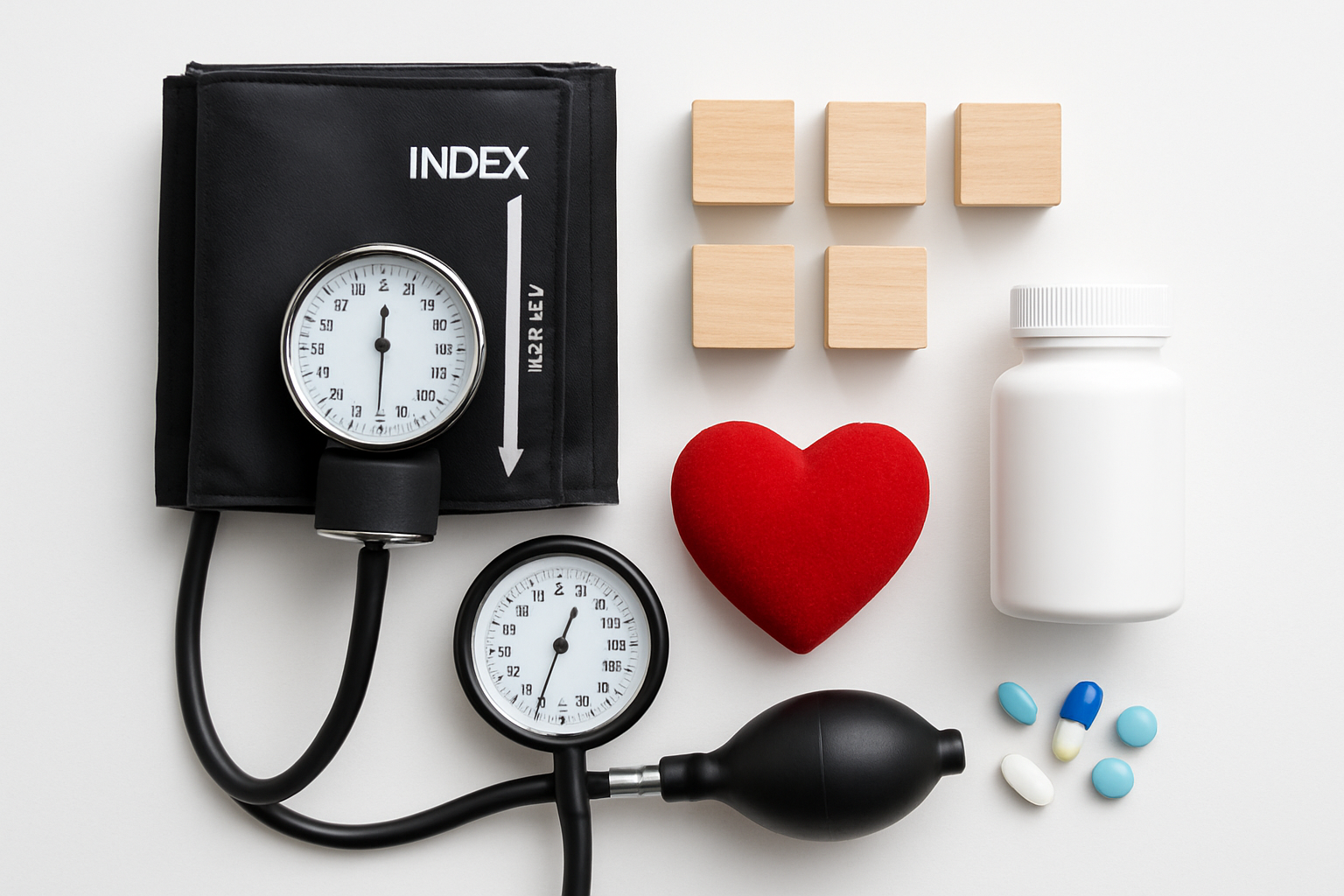
Understanding High Blood Pressure
High blood pressure, or hypertension, is a common medical condition that involves the force of the blood against the artery walls being too high. According to the World Health Organization, hypertension affects over 1.28 billion adults aged 30-79 globally as of 2026. It's often called the "silent killer" because it may not cause symptoms but can lead to serious health complications such as heart disease, stroke, and kidney failure if left untreated.
Causes and Risk Factors
High blood pressure can result from a variety of factors, including genetics, lifestyle choices, and underlying health conditions. Some common risk factors include:
- Age: The risk of hypertension increases as you age.
- Family History: A family history of high blood pressure increases your risk.
- Obesity: Excess weight can increase the strain on your heart.
- Physical Inactivity: A sedentary lifestyle can lead to weight gain and high blood pressure.
- Poor Diet: Diets high in sodium, saturated fat, and sugar can contribute to hypertension.
- Excessive Alcohol Consumption: Drinking too much alcohol can raise blood pressure.
Top 5 Best Treatments for High Blood Pressure
1. Lifestyle Changes
One of the most effective ways to manage high blood pressure is through lifestyle changes. The DASH (Dietary Approaches to Stop Hypertension) diet, recommended by the National Heart, Lung, and Blood Institute, focuses on reducing sodium intake and eating a variety of nutrients to lower blood pressure. This diet emphasizes:
- Consuming fruits, vegetables, and whole grains.
- Incorporating lean proteins such as fish and poultry.
- Limiting red meat, sugar, and salt intake.
Regular physical activity such as walking, jogging, or cycling for at least 150 minutes a week can also significantly lower blood pressure. Furthermore, weight management, limiting alcohol intake, and quitting smoking are crucial elements of controlling hypertension.
2. Medications
Pharmaceuticals are a key component in managing high blood pressure. There are several types of medications commonly prescribed, and decisions are based on individual health profiles:
- Diuretics: Help your kidneys remove sodium and excess fluid from your body, lowering blood pressure.
- ACE Inhibitors: These help to relax blood vessels by preventing the formation of a hormone called angiotensin II.
- Calcium Channel Blockers: These help relax blood vessel muscles.
Discuss with healthcare providers to find the right medication or combination. The American Heart Association notes that nearly half of all American adults take medication for hypertension.
3. Alternative Therapies
Alternative therapies can complement traditional treatments to manage high blood pressure. Mind-body techniques such as yoga, meditation, and tai chi have shown promise. According to a 2026 study published in the Journal of Hypertension, people practicing yoga experienced a significant reduction in blood pressure.
These practices help by reducing stress, which is implicated in high blood pressure. However, they should be viewed as supplemental to medical treatments, not replacements.
4. Regular Monitoring and Professional Advice
Monitoring your blood pressure at home with a digital monitor can provide valuable insights into how lifestyle changes and medications affect your blood pressure. Regular check-ups with healthcare providers help adjust treatments as necessary. The American Medical Association recommends keeping a log to share with your medical team for optimal management.
5. Emerging Treatments and Research
With advancements in medical research, new treatments are emerging. Gene therapy, for instance, is currently under study as a potential method to treat genetic forms of high blood pressure. Additionally, according to a 2026 report by the World Health Organization, innovative drug therapies and AI-driven personalized medicine approaches are on the horizon.
Clinical trials are underway, and these could offer insights into more targeted strategies for individuals with resistant hypertension or specific genetic profiles.
Conclusion
High blood pressure is a manageable condition with the right combination of lifestyle changes, medication, and monitoring. By understanding the risk factors and treatment options, you can work with healthcare professionals to develop a personalized plan that fits your health needs. Staying informed and proactive is key to successfully managing your high blood pressure and reducing the risk of complications.