Discover 5 Responsible Ways to Enhance Your FICO Score
Boosting your FICO score doesn't have to be a daunting task. Discover 5 responsible strategies to improve your credit rating in our comprehensive guide. With insights on maintaining financial health, you can learn to enhance your FICO score over time.
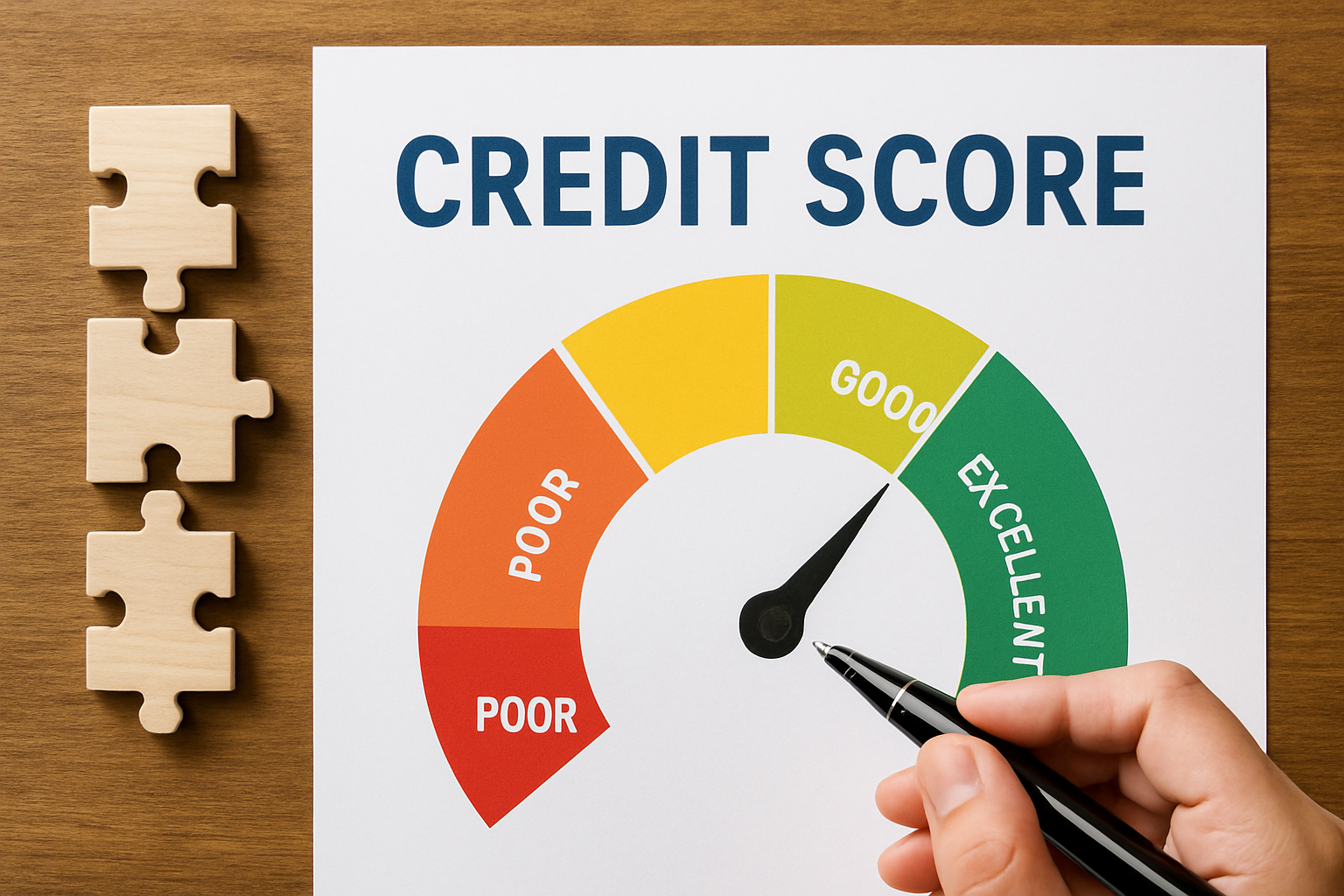
Understanding Your FICO Score
Your FICO score is a crucial component of your financial health. It signifies your creditworthiness and plays a vital role in determining your eligibility for loans, mortgages, and sometimes even jobs. Therefore, improving your FICO score is more than just about getting better credit terms; it's about ensuring broader financial stability and opportunity.
The FICO score is calculated based on several factors, including your payment history, amounts owed, length of credit history, new credit, and types of credit used. Understanding these factors is the first step to making informed decisions that can enhance your score over time.
1. Improve Payment History
Why Payment History Matters
Payment history accounts for 35% of your FICO score, making it the most significant factor. Consistently paying your bills on time demonstrates reliability and responsibility to lenders.
How to Improve
- Set Up Automatic Payments: Automate payments to ensure bills are always paid on time. This can prevent late fees and keep your credit history clean.
- Use Payment Reminders: If automating isn't an option, use apps or calendar reminders to help maintain timely payments.
- Catch Up on Past-Due Accounts: Bring any delinquent accounts current as soon as possible.
2. Reduce Debt Utilization
Understanding Credit Utilization
Credit utilization ratio is the proportion of your credit card balances to your credit limits, accounting for 30% of your FICO score. A lower ratio is typically viewed more favorably.
Steps to Take
- Pay Down Existing Debt: Prioritize paying down credit card balances. Aim for a utilization ratio below 30%, with experts suggesting closer to 10% for optimal scoring.
- Increase Credit Limits: Request higher limits from your credit card providers, but be cautious of overspending. This can help lower your utilization ratio.
3. Build a Credit History
Importance of Credit Age
The length of your credit history contributes 15% to your FICO score. Lenders tend to view longer credit histories more favorably, as it provides them with more data on your payment tendencies.
Building a Strong History
- Maintain Older Accounts: Avoid closing old credit accounts even if you don't use them frequently. An extended history can be beneficial in the long run.
- Establish New Credit: Open a new line responsibly if you're new to credit. Consider a secured credit card if initial approval is difficult.
4. Diversify Credit Types
Why Diversification Helps
While it accounts for only 10% of your FICO score, having a mix of credit types—such as credit cards, mortgages, and installment loans—can indicate your ability to manage different types of credit.
Diversifying Credit
- Mix Credit Types: If you mainly have credit card debt, consider other credit forms like an auto loan or a small personal loan.
- Use Existing Debts Wisely: Show responsibility in managing current debts before taking on new obligations.
5. Be Strategic with New Credit
Managing New Credit Accounts
The pursuit of new credit items impacts 10% of your FICO score. Opening several accounts in a short period can signal risk to lenders.
Tips for Managing Applications
- Space Out Applications: Avoid applying for multiple new credit lines at once. Space them over months to minimize potential negative impacts.
- Research Before Applying: Review peak credit offers available and only apply for those that meet your needs and where you are likely to gain approval.
Conclusion
Improving your FICO score responsibly is a journey that requires discipline, awareness, and strategic planning. By understanding and leveraging the factors influencing your score, such as payment history, credit utilization, credit history length, credit mix, and new credit, you can take concrete steps towards enhancing your credit profile. In doing so, you'll open the door to better financial opportunities and stability.
For more detailed guidance, consider exploring resources like FICO's official website or consulting with a credit counselor. It's vital to keep current with financial trends and advice as you work towards boosting your credit score.
For further reading, refer to resources such as myFICO and Consumer FTC.