Discover Canadian Universities: 7 Top Schools with Accessible Admission Processes
Interested in exploring educational opportunities in Canada? Discover the top 7 Canadian universities with lower entry requirements, offering a diverse range of programs.
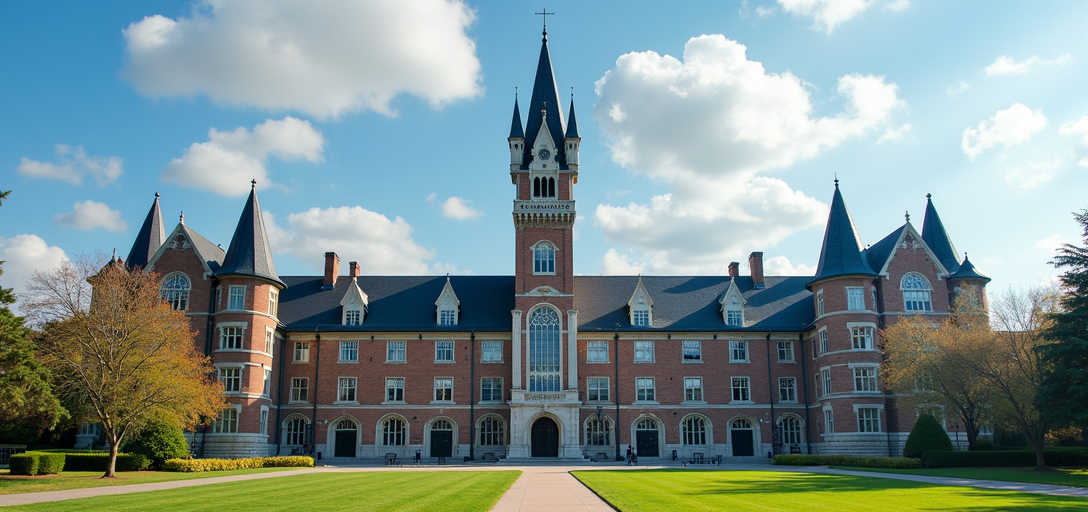
Exploring Canadian Universities with Lower Entry Requirements
Choosing the right university is a crucial step in shaping your educational journey and future career. For many students, the entry requirements can be an intimidating barrier. However, Canada offers a diverse range of universities where prospective students can receive quality education with relatively relaxed entry criteria. This article delves into the top seven Canadian universities known for their lower entry requirements, enabling you to make an informed decision about where to apply.
What Are Entry Requirements, and Why Do They Matter?
Entry requirements refer to the academic qualifications and other criteria a university sets for admission into its programs. These can include high school grades, standardized test scores, language proficiency tests, and more.
- Academic Performance: Generally, universities assess past academic performance to ensure students can handle university-level coursework.
- Standardized Tests: Some programs might require tests such as the SAT, ACT, or others specific to Canada like the CASPer test.
- Language Proficiency: For non-native English speakers, proficiency tests such as TOEFL or IELTS often form part of the application process.
Understanding these requirements can help prospective students target universities where they have a higher chance of acceptance.
The Top 7 Canadian Universities with Lower Entry Requirements
Here is a list of universities in Canada known for their accessible entry criteria while still providing a high-quality educational experience:
1. University of Lethbridge
Located in Alberta, the University of Lethbridge offers a relaxed admission process with a focus on encouraging diverse student demographics. The university accepts applicants with a variety of academic backgrounds, making it an attractive choice for students seeking a flexible path into higher education.
2. Thompson Rivers University
Situated in British Columbia, Thompson Rivers University is known for its open admission policy, which helps facilitate access to post-secondary education. This university emphasizes inclusivity, providing opportunities for students who may not meet traditional criteria.
3. Memorial University of Newfoundland
Memorial University, located in Newfoundland and Labrador, offers a broad range of undergraduate programs with comparatively lenient entry requirements. This institution prides itself on its commitment to regional access to education.
4. Mount Saint Vincent University
Based in Nova Scotia, Mount Saint Vincent University is dedicated to a smooth transition into university for all applicants, particularly mature students and those with non-standard academic backgrounds. The university’s supportive admission policies make it a desirable option for many.
5. University of Regina
The University of Regina in Saskatchewan prioritizes accessibility and provides alternative pathways for prospective students who demonstrate potential beyond traditional metrics.
6. University of Prince Edward Island
The University of Prince Edward Island offers undergraduate and graduate programs with admission processes that allow for consideration of a wide range of student experiences and achievements.
7. Vancouver Island University
Located in British Columbia, Vancouver Island University is renowned for its commitment to accessible higher education, welcoming students from diverse backgrounds and providing several entry routes for non-traditional applicants.
Factors to Consider Beyond Entry Requirements
While lower entry requirements open doors, it's crucial to consider other important factors when selecting a university:
- Program Quality: Investigate the specifics of your intended program to ensure it meets your academic and career objectives.
- Campus Resources: Research the range of facilities and support services available to help ensure a successful university experience.
- University Reputation: Consider the institution’s reputation and how it might impact future employment opportunities after graduation.
By examining these aspects in conjunction with entry requirements, you can choose a university that not only admits you but also supports your long-term goals.
Conclusion: Paving the Way to Your Academic Future
Making the transition to university life is a significant step that marks the beginning of an exciting educational and personal journey. The universities listed above present accessible options for students seeking opportunities in Canada without facing the highest barriers to entry. By focusing on institutions with lower entry requirements, prospective students can embark on their academic journey with confidence and maximize their potential in a supportive environment.
Explore these universities, consider your unique circumstances, and make an informed choice that aligns with your aspirations. The academic future you dream of might be more attainable than you think.
For more details and updates on university entry requirements and application processes, visit sources like the Universities Canada or the specific university websites.
Data sources such as World Data on Education in Canada provide further insights into the educational landscape in 2026, helping you stay informed about your choices.