Discover Consumer Cellular's New Wireless Home Phone Service Launching November 2026
Discover how Consumer Cellular is enhancing connectivity with their new wireless home phone service launching in November 2026. Explore potential benefits of this service that could change how you stay connected at home.
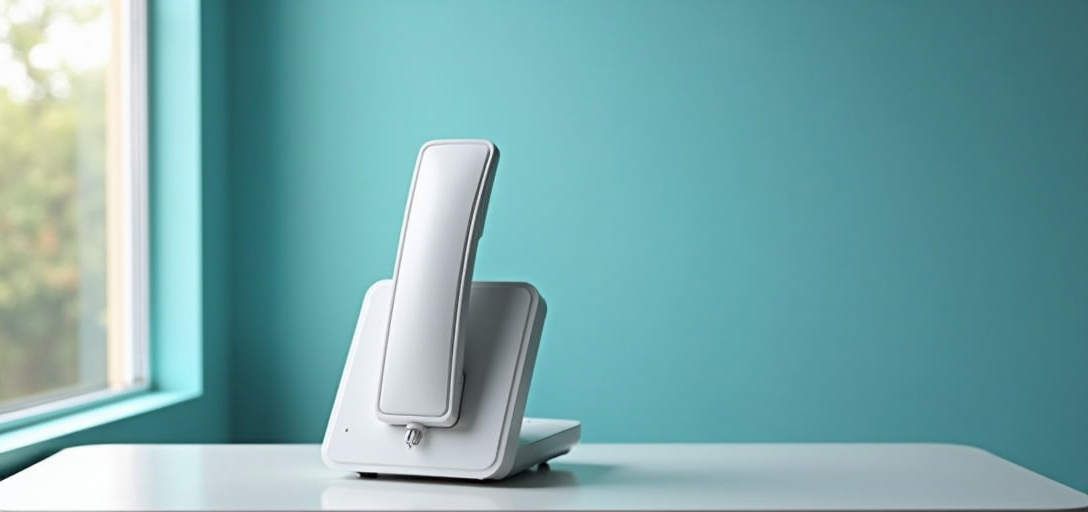
Introduction to Consumer Cellular's Wireless Home Phone Service
In November 2026, Consumer Cellular is set to unveil its innovative Wireless Home Phone Service in the United States. This development is generating significant buzz with both current subscribers and potential new customers eager to understand how this service might fit their lifestyle. In this article, we delve into the details of what this service entails, how it can benefit users, and answer common questions prospective users may have.
What Is Wireless Home Phone Service?
Wireless home phone service is a telecommunications option that uses a cellular network to offer home phone services. Instead of utilizing traditional landline infrastructures, calls are connected through mobile network frequencies. This can be optimal for individuals seeking an alternative to wired lines, especially in areas where laying new copper lines or fiber optics may not be feasible or economical.
How Does It Work?
The service functions by converting cellular signals into analog telephony, which your regular home phone can receive. This is done via a specialized device provided by Consumer Cellular that connects to their cellular network, offering a straightforward plug-and-play solution. Upon connection, users can use their existing home phones just as they would with a standard landline connection.
Benefits of Wireless Home Phone Service
- Flexibility and Portability: Should you decide to move homes, transporting your wireless home phone system is seamless. Your phone line travels with you without the need for relocating wires or waiting for technician visits.
- Cost-Effective: Wireless home phone plans generally offer competitive pricing compared to traditional landline services, often bundling affordable call minutes and features.
- Reduced Equipment Needs: The technology behind wireless home phones allows users to continue using their existing analog phones, negating the need to invest in new hardware.
Consumer Cellular's Plan and Features
Consumer Cellular's offering is tailored to the needs of its customers, with basic plans starting as low as $15 per month. This includes unlimited nationwide calling, voicemail, caller ID, and call forwarding services.
Additional Features
Customers opting into this service also gain access to:
- Concurrent Call Management: Handle multiple calls with options for waiting and conferencing.
- Service Stability: Since the service is cell-based, it remains unaffected by issues that might impact landlines, like cable faults.
- Eco-Friendly Usage: Less physical cabling equates to reduced material waste, aligning with sustainable use principles.
Who Benefits From This Service?
While wireless home phones can benefit anyone, certain groups might find them particularly useful:
- The Elderly: Ease of use and straightforward setup make it perfect for senior citizens who prefer using traditional handsets without the complexity of modern smartphones.
- Rural Residents: Individuals residing in remote areas with inconsistent landline service might appreciate the reliability of a wireless option.
- Frequent Movers: Those prone to relocating can avoid the hassle of setting up new landline services each time they move.
Getting Started with Consumer Cellular's Service
To begin using the service, Consumer Cellular provides a simple sign-up process available via their website or customer service hotline. Upon subscription, customers receive a wireless home phone base that connects with their existing home phone and activates the service using Consumer Cellular’s network.
Comparing Wireless Home Phone Services
In today's competitive market, comparing other available wireless home phone options alongside Consumer Cellular’s offerings can be beneficial. Consider factors such as pricing, network coverage, additional features, and equipment compatibility.
Data and Statistics for 2026
As of 2026, approximately 30% of U.S. households have transitioned from traditional landlines to cellular-based home phone systems. According to research from the Pew Research Center, the convenience and cost benefits are primary drivers for consumers making this shift.
Conclusion
Consumer Cellular's Wireless Home Phone Service provides a compelling alternative to traditional landlines with the added benefits of portability and competitive pricing. Whether you are seeking simplicity, mobility, or cost savings, this service offers significant advantages worthy of consideration, particularly in an increasingly mobile-driven society.