Discover How Collector Vehicle Insurance Works with Costco: Essential Insights for Every Car Enthusiast
Discover the essentials of collector vehicle insurance with insights from the experts at Costco. Learn how comprehensive policies protect your prized cars and what to consider when choosing coverage.
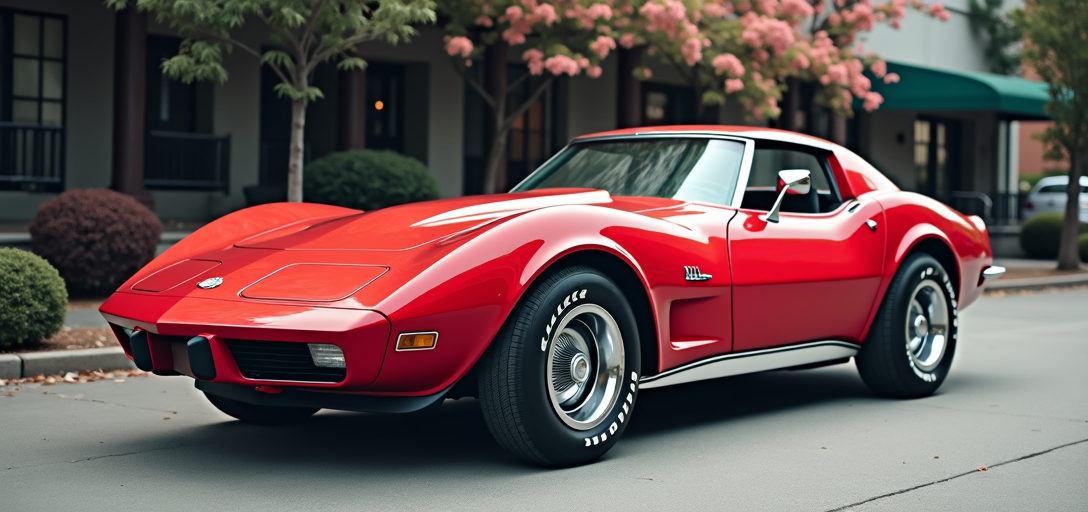
Understanding Collector Vehicle Insurance
In the world of automobile insurance, collector vehicles hold a unique place. Unlike standard vehicles, collector cars often require specialized insurance coverage due to their vintage, rarity, and occasionally, non-standard value. Whether you own a pristine classic from the 1960s or a rare exotic model, understanding how collector vehicle insurance operates can be crucial in ensuring your prized possession is adequately covered.
What is Collector Vehicle Insurance?
Collector vehicle insurance is a type of insurance policy designed specifically for vehicles that are not used for daily driving and are usually kept in controlled environments for preservation. This type of insurance can cover a wide range of vehicles, from antiques to modern-day exotic cars, reflecting their unique status and valuation concerns.
The main objective of collector vehicle insurance is to offer coverage that accounts for the appreciation in the vehicle's value, the uniqueness of parts, and reduced usage, among other factors. This contrasts with traditional auto insurance, which is primarily based on depreciating value and regular road use.
Who Needs Collector Vehicle Insurance?
Any car enthusiast who owns a vehicle that is more than just a mode of transport might consider collector vehicle insurance. Typically, individuals with the following types of vehicles may benefit:
- Classic Cars: Generally defined as vehicles over 20 years old and of historical interest.
- Antique Vehicles: Typically over 45 years old and often seen as collectibles.
- Exotic and Luxury Cars: Modern, high-end cars that are rare and often increase in value.
- Muscle Cars: American cars with high-performance engines, typically from the 1960s and 1970s.
How Does Collector Vehicle Insurance Differ?
Collector vehicle insurance often offers agreed value coverage, which is a significant departure from the actual cash value (ACV) or stated value plans found in everyday auto policies. Agreed value means the insurer agrees upfront on the vehicle's value, ensuring you receive the full insured amount should there be a total loss. This can prevent disputes over the car’s value post-incident.
Additionally, there are generally restrictions regarding how much and how the vehicle is used. Collector insurance policies often stipulate a limited mileage, require that the car be stored in a secure, enclosed garage, and may include policies regarding the car's use in exhibitions or local events.
Factors Affecting Collector Vehicle Insurance Rates
Several factors can influence the cost of collector vehicle insurance:
- Vehicle’s Age and Rarity: Older, rarer vehicles are often more costly to insure due to their difficulty to replace.
- Appraised Value: An accurate, professional appraisal helps in setting the agreed value.
- Usage Restrictions: Policies frequently demand stringent usage guidelines, which can lower premiums.
- Storage Conditions: Secure, enclosed storage can help lower risk for insurers.
- Driver's Profile: Insurers consider the driving records of who will be behind the wheel.
Real-world Examples and Current Trends
According to a 2026 report by the Specialty Vehicle Insurance Association, the collector vehicle market has been growing steadily, with an estimated 5% rise in value annually. More people are purchasing collector cars as investment vehicles, highlighting the need for specialized insurance.
For instance, the recent trend of electrifying classic cars can impact insurance needs. Insurers now offer bespoke policies for electric conversions, balancing modern technology and classic charm.
Moreover, with the rise of car-sharing and exhibition events, insurance companies are adapting policies to cover these scenarios, ensuring collectors can showcase their vehicles without undue risks.
Choosing the Right Policy
Selecting the right collector vehicle insurance involves thorough research and understanding your vehicle’s needs. Comparing different insurance providers, evaluating their policy specifics, and ensuring the insurer has a good reputation for handling collector vehicles is crucial.
Furthermore, having regular appraisals and revisiting insurance terms can ensure your coverage reflects any changes in the car's value or usage. This ongoing evaluation helps maintain adequate and relevant insurance coverage as the market and individual situations evolve.
Conclusion
Collector vehicle insurance is essential for protecting valuable automotive assets. By understanding the nuances, restrictions, and benefits of such policies, car enthusiasts can safeguard their investments effectively. As the market for these unique vehicles continues to grow, staying informed and choosing wisely has never been more important.
For more details on the latest trends and regulatory changes in collector vehicle insurance, you may visit reputable sources such as Hagerty and Hemmings.