Discover How Much Your Old iPhone Is Worth with Apple's Trade-In Program
Apple is now giving iPhone users a chance to upgrade their devices at a lower cost. Discover how Apple's tradein program offers value for older iPhones, potentially reducing the price of a new purchase.
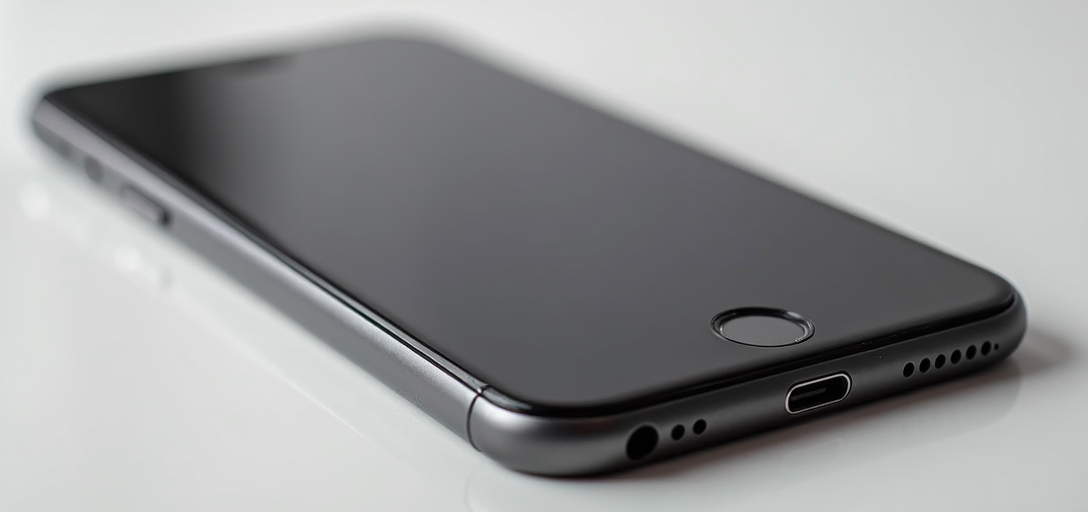
Understanding Apple's Trade-In Program
Apple's trade-in program offers customers in the United States a way to exchange their older iPhones for credit towards a new purchase. This initiative not only encourages consumers to upgrade to the latest models but also supports Apple's sustainability efforts by promoting the recycling and refurbishment of electronic devices.
How Does Apple's Trade-In Value Work?
When trading in an older iPhone for a new device, Apple evaluates the condition, model, and market demand to determine its trade-in value. The process is straightforward:
- Device Evaluation: Apple will assess whether the iPhone shows signs of wear, damage, or other impairments.
- Final Offer: Based on its assessment, Apple provides an estimated trade-in value, which can be applied as credit towards a new purchase.
- Completion: If accepted, the trade-in value is deducted from the new purchase's cost, making it more affordable.
Why Participate in the Trade-In Program?
There are several compelling reasons to consider participating in Apple's trade-in program:
Environmental Impact
Apple's commitment to environmental sustainability is a significant factor. By trading in, you're contributing to reducing e-waste. Apple uses traded devices in various ways, such as refurbishing for resale or recycling for materials recovery.
Financial Benefits
Trading in your older iPhone can significantly reduce the cost of purchasing a new device. For example, you might receive up to $500 for a recent model in good condition. This helps make newer technology more accessible.
Recent figures indicate that American consumers spent approximately $120 billion on smartphone upgrades in 2026 (source: [Statista](https://www.statista.com)). Trade-ins provide substantial savings within this expenditure.
Simplicity and Convenience
Apple's trade-in process is designed to be simple and user-friendly. Whether online or in-store, the steps involved are straightforward and typically don't take much time. This convenience is particularly appealing to busy consumers.
Step-by-Step: How to Trade In Your iPhone
1. Preparing Your Device
Before trading in your iPhone, it's important to back up your data. Apple suggests using iCloud or iTunes for backups. Additionally, ensure you remove all personal information and reset the device to factory settings, which Apple outlines in their support resources.
2. Evaluating Your iPhone's Condition
Assessing the physical and operational state of your device is crucial. Minor scuffs might affect the value, while functional issues could impact eligibility altogether. Tools like Apple's online estimator can give preliminary valuations.
3. Completing the Trade-In
Whether you visit an Apple Store or send your device in through Apple's mail-in program, you'll receive guidance at each step to finalize the trade-in. Once processed, you can apply the trade-in credit toward a new iPhone purchase immediately.
What Models Are Eligible?
Apple's trade-in eligibility typically includes iPhones from at least the past few generations. As of 2026, eligible models span from iPhone 11 through the latest iPhone 15. The list and the values are constantly updated to reflect current market trends and demand.
According to Apple, trade-in values fluctuate based on condition and specific model but aim to offer competitive valuation compared to other electronic retailers (source: [Apple](https://www.apple.com)).
Considerations Before Trading In
Alternatives to Apple’s Program
While Apple's trade-in program is straightforward, other options are available through third-party retailers or online marketplaces. However, Apple's seamless integration with new purchases provides unique convenience and potential savings.
Timing Your Trade-In
Because new iPhones typically debut in September, timing your trade-in around these launches may yield higher trade-in values. However, planning well in advance and keeping a close watch on the market can offer advantages.
Conclusion: Is Trading In Right for You?
Deciding whether to trade in your older iPhone involves weighing the financial benefits and the ease of the process against current device usage. Apple's trade-in program stands out for its convenience and strategic pricing, especially for those deeply involved in the Apple ecosystem. Ultimately, the decision rests on personal preferences, environmental considerations, and financial goals.
Through this program, Apple continues to make strides in sustainability and consumer satisfaction, allowing users access to state-of-the-art technology while responsibly managing digital waste. Participating in this trade-in program could result in a positive net benefit for both the user and the environment.