Discover Jesuit Colleges in the USA with High Acceptance Rates
Looking for a university with a Jesuit tradition and an inviting acceptance rate? Explore our guide to the top Jesuit colleges in the USA with highest acceptance rates. Discover institutions that not only uphold Jesuit principles but also open their doors to more students.
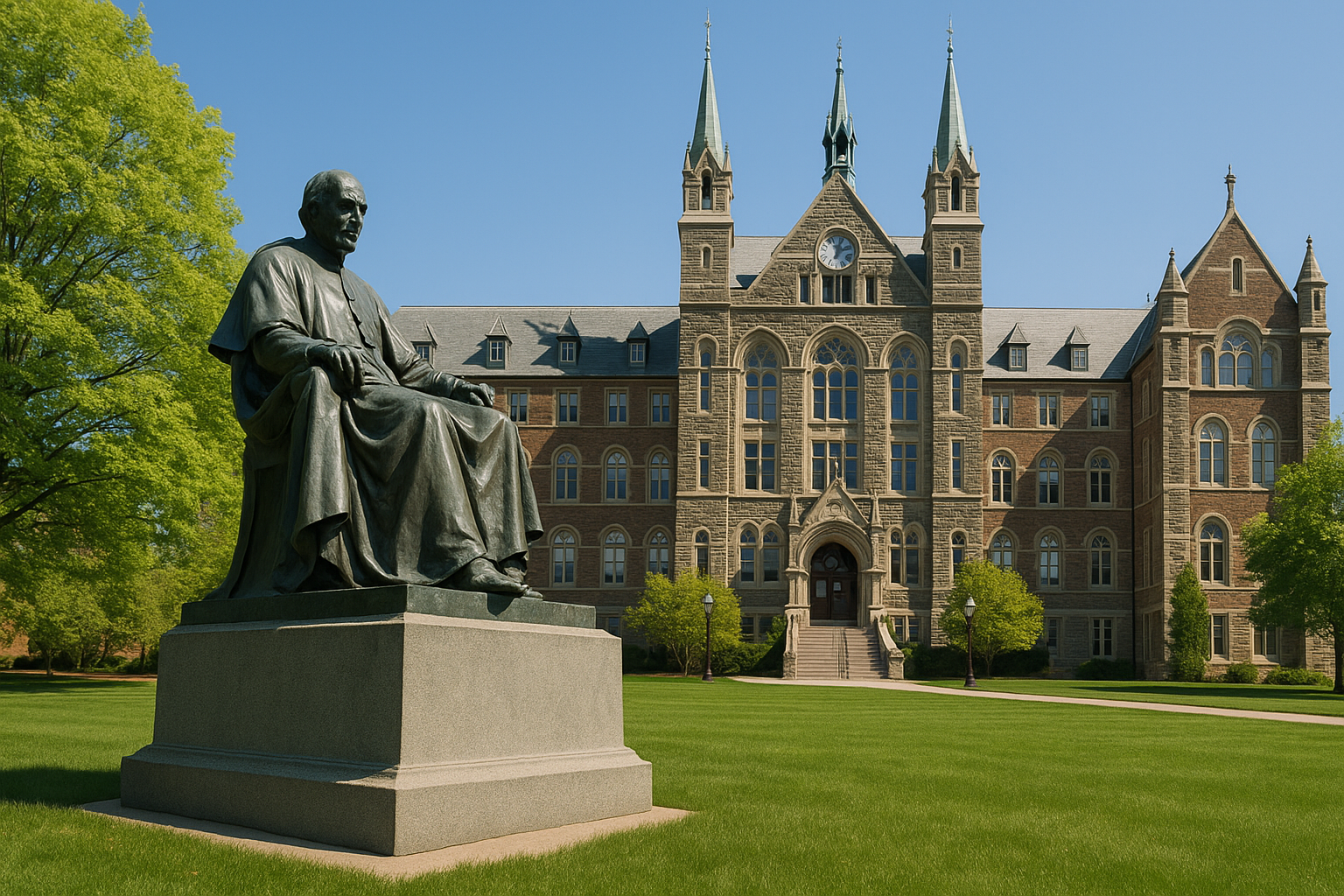
The Landscape of Jesuit Colleges in the USA
Jesuit colleges in the United States are renowned for their commitment to academic excellence, social justice, and individual care for students. With a tradition deeply rooted in Catholic Jesuit values, these institutions emphasize a holistic approach to education that cultivates intellectual competence, personal development, and ethical leadership.
In 2026, there are 28 Jesuit colleges and universities across the USA, each with unique characteristics and offerings. Prospective students often consider factors like acceptance rates, programs offered, campus culture, and financial aid opportunities when choosing where to apply. Understanding acceptance rates can be particularly important for students seeking a Jesuit education, as they provide insight into the accessibility of these esteemed institutions.
Understanding Acceptance Rates
The acceptance rate of a college is the percentage of applicants who are admitted to the institution. A higher acceptance rate indicates that a college is more accessible to a larger number of applicants. Factors influencing acceptance rates include the number of applicants, institutional capacity, and specific application criteria. For students interested in Jesuit colleges, exploring those with higher acceptance rates may offer greater opportunities for admission and access to diverse educational programs.
Top Jesuit Colleges with Highest Acceptance Rates
Loyola University New Orleans
Loyola University New Orleans is renowned for its vibrant campus culture and commitment to social justice. With an acceptance rate of approximately 78% in 2026, it remains one of the most accessible Jesuit universities for students eager to engage with a diverse and inclusive academic community.
The university offers a wide array of undergraduate and graduate programs, ranging from the arts and sciences to business and music. Loyola's strategic location in New Orleans provides students unique cultural enrichment experiences, contributing to a holistic education.
University of Scranton
The University of Scranton, located in Pennsylvania, has consistently maintained a higher acceptance rate, around 76% as of this year. Known for its strong programs in healthcare and physical sciences, Scranton provides robust educational opportunities combined with a thriving on-campus community.
Scranton's commitment to academic excellence and personal growth is reflected in its progressive curriculum, emphasizing critical thinking and ethical reasoning. The university is also active in community service, aligning with Jesuit values of service and leadership.
Regis University
Situated in Denver, Colorado, Regis University boasts a friendly acceptance rate of 75% in 2026. Regis offers a personalized education through small class sizes and extensive support services, making it a preferred choice for students seeking a tight-knit academic environment.
Regis University emphasizes service learning and community engagement, ensuring students develop practical skills alongside academic knowledge. Popular programs include healthcare administration and education, catering to students aiming for impactful careers.
Why Consider Colleges with Higher Acceptance Rates?
- Increased Opportunity: Colleges with higher acceptance rates offer more chances for admission, which can be particularly appealing to students with varied academic backgrounds.
- Personalized Attention: Often, these institutions provide more personalized attention to students, with smaller class sizes and ample faculty interaction.
- Diverse Academic Programs: Higher acceptance rates can correlate with a broad range of programs, giving students flexible options to explore different fields of study.
What to Consider Besides Acceptance Rates?
While acceptance rates are important, they are just one piece of the puzzle. Students should also consider:
- Program Availability: Ensure the college offers courses and programs aligned with your career goals.
- Campus Environment: Each campus has its unique culture and community feel; visiting campuses can provide valuable insights.
- Financial Aid: Analyze the financial aid packages and scholarships offered, as they can significantly affect affordability.
- Post-Graduation Opportunities: Look at internship programs, job placement rates, and alumni networks.
Data and Statistics in 2026
Recent data reveals that Jesuit colleges are maintaining robust student bodies, fostering environments of inclusivity and intellectual growth. A nationwide trend indicates a modest increase in acceptance rates among Jesuit institutions, reflecting their dedication to expanding access to quality education.
For example, Regis University reported an increase in both student applications and enrollment, highlighting the dynamic appeal of their educational offerings. Similarly, Loyola University New Orleans and the University of Scranton are celebrated for their success in integrating cultural diversity within their academic communities, further enhancing their reach and influence among prospective students.
Conclusion
Choosing a Jesuit college with a high acceptance rate can be a strategic decision for students aiming for a comprehensive and accessible education. The top Jesuit colleges we've discussed not only offer favorable acceptance rates but also a rich tapestry of academic programs, cultural opportunities, and ethical teachings—hallmarks of the Jesuit educational tradition.
To make an informed choice, prospective students should balance acceptance rates with other critical factors like program offerings and campus environment, ensuring their chosen institution aligns well with their aspirations and values.
For further information and details, consider exploring official university websites, educational forums, and academic journals which offer up-to-date data and firsthand insights into the experiences offered by these respected Jesuit institutions.
- Georgetown University – https://www.georgetown.edu
- Boston College – https://www.bc.edu
- Fordham University – https://www.fordham.edu
- Santa Clara University – https://www.scu.edu
- Marquette University – https://www.marquette.edu