Discover Korea in Seven Days: A Balanced Guide to Culture and Modern Life
Discover stressfree travel planning with our amazing 7Day Korea Tour Packages. Explore vibrant culture and breathtaking scenery without the hassle. Our expertly curated packages offer a perfect glimpse into Korea's modern charms and historical depth.
The Art of the 7-Day Trip: Maximizing Your First Korean Adventure
The appeal of South Korea is undeniable: a seamless blend of ancient tradition and blistering modern futurism. But the sheer scope of the country—from the monumental palaces of Seoul to the volcanic beauty of Jeju Island and the historic charm of Gyeongju—can feel overwhelming. Seeing a "7-Day Korea Tour Package" ad is exciting, but it naturally raises questions: Are seven days enough? What should I prioritize? How do I move between these wildly varied locations without feeling rushed?
The short answer is: yes, seven days can provide an incredibly rich and transformative first look at Korea, but it requires focus. To truly make the most of your limited time, you must decide if your priority is intensive urban culture (Seoul), historical depth (Gyeongju/Busan), or natural escape (Jeju). We'll break down how to structure your trip to hit the high points without the exhaustion of constant travel.
Structuring Your Itinerary: The Golden Triangle Approach
For a first-time visitor, the most efficient and satisfying itinerary focuses on three core areas, minimizing long, frustrating transfers:
- Seoul (3–4 Days): The cultural, technological, and culinary epicenter. Essential for modern Korean life.
- Busan/Gyeongju (2 Days): The historical heartland. Perfect for understanding Korea’s profound past.
- Jeju Island (2–3 Days): Nature and relaxation. A necessary counterpoint to the hustle of the mainland.
This "Golden Triangle" structure allows you to experience the full spectrum of what Korea offers: the neon lights of Gangnam, the serenity of a royal palace, and the rugged coastline. Booking a package helps manage the logistics, but understanding this geographical flow is key to a successful trip.
Diving Deep: What Makes Korean Culture Unique?
Korea is not just visually stunning; it is a culture that deeply values meticulous detail, respect for history, and relentless technological innovation. Understanding these pillars will elevate your trip from a mere sightseeing tour to a genuine cultural immersion.
The Synergy of Old and New
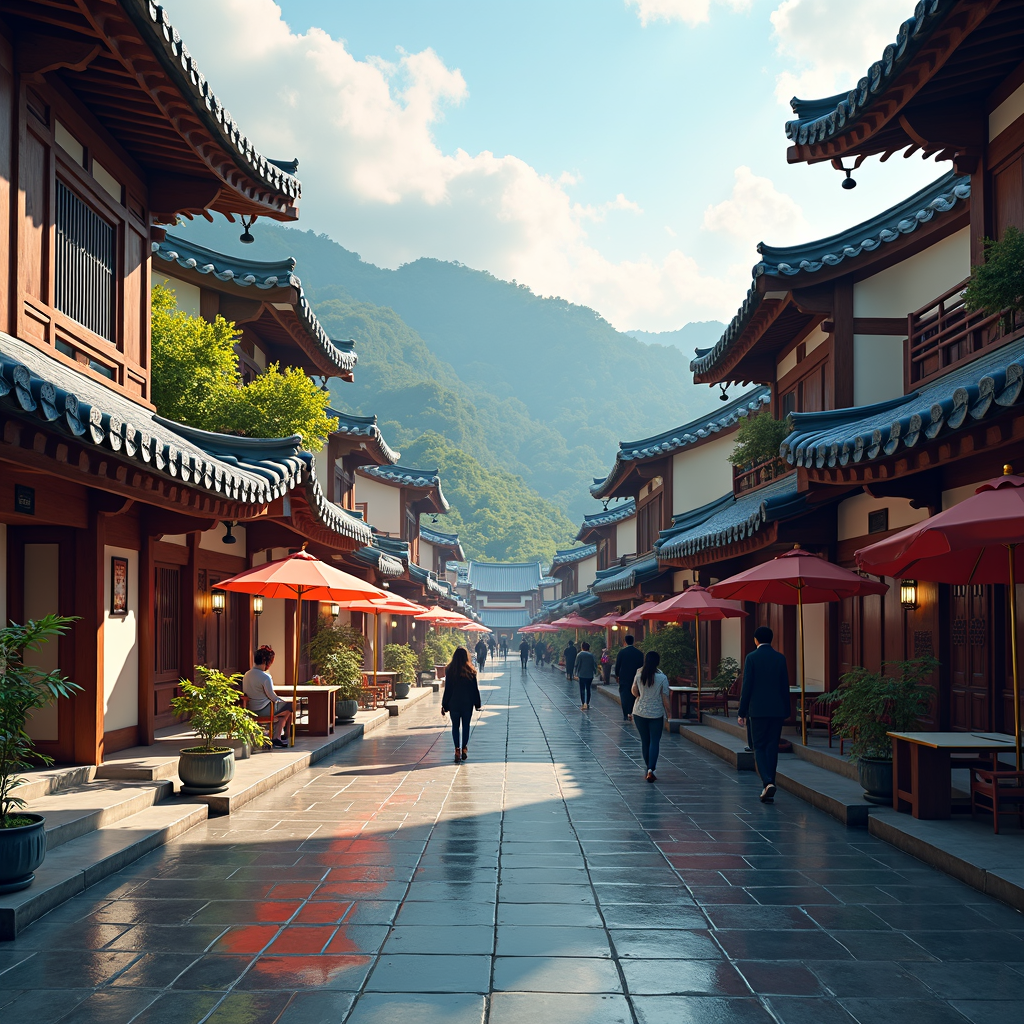
One of the most fascinating aspects of Korean life is how seamlessly the ancient and the ultra-modern coexist. You might find yourself crossing a street in Bukchon Hanok Village—a preservation of traditional tiled-roof houses—and within minutes, you're standing next to a high-rise, illuminated skyscraper showcasing the latest in smart city design. This juxtaposition is something you must actively look for.
- Traditional Experience: Spend time in areas like Insadong, where traditional artisan shops, tea houses, and galleries still thrive. Visit the palaces (such as Gyeongbokgung Palace) and take time to walk through the surrounding Hanok villages.
- Modern Pulse: Dive into neighborhoods like Gangnam or Hongdae. These areas are less about historical reverence and more about contemporary trends, fashion, music, and cutting-edge design. This contrast offers a comprehensive portrait of the modern Korean identity.
Culinary Journey: Beyond K-BBQ
Korean food is complex, deeply regional, and highly nutritious. While K-BBQ and street snacks (like Tteokbokki) are globally famous, giving your culinary efforts a wider scope is crucial for a deep understanding.
Beyond the Tourist Staples:
- Street Food Exploration: Dedicate an evening to a major market, such as Gwangjang Market in Seoul. Here, you can sample regional specialties like bindae-tteok (mung bean pancake) and fresh seafood, giving you a taste of daily life.
- Regional Delicacies: If passing through Busan, make sure to try fresh seafood harvested from the port. If focusing on Jeju, the unique black pork and local seafood must be on your list.
- The Importance of Meal Structure: Notice how Korean meals are generally composed of rice, several side dishes (Banchan), and a main protein. Sampling a variety of banchan allows you to appreciate the balance and complexity of Korean flavor profiles.
Travel Tip: Many tour packages will include structured meal experiences, which is great, but always allow time for independent street food exploration—that's where the best memories are made.
Logistics Mastery: Navigating Korea Like a Local
A common fear for first-time travelers is the sheer scale and complexity of public transportation. However, Korea has one of the most advanced, efficient, and traveler-friendly transit systems in the world. Knowing a few key tips will make navigation effortless.
The Role of the Octopus Card
Forget buying individual tickets. The single most valuable item for your trip is the reloadable transportation card, known locally as the T-money or Octopus card. You can load this card with credit and use it seamlessly on subways, buses, and even for purchasing items in convenience stores. It is the key to stress-free movement.
Inter-City Travel: High-Speed Rail (KTX)
Traveling between Seoul, Busan, and the wider region is best accomplished by the Korea Train eXpress (KTX). These high-speed rail lines are remarkably punctual and comfortable. When booking your tour, confirm that the package utilizes KTX tickets, as flying (while faster) adds unnecessary time to the airport transfer process.
Accommodation Strategies
Depending on your desired atmosphere, your accommodations can define your experience:
- For the Deep Culture Seeker: Opt for a stay in a Hanok lodging, particularly in historical districts. This immersion into traditional architecture offers a unique perspective.
- For the Urban Explorer: Stay in the mid-to-high rise hotels near major subway hubs (like Seoul Station or Gangnam). This maximizes your access to transit lines and modern amenities.
- For the Budget Traveler: Hostels and guesthouses are extremely clean, safe, and offer incredible opportunities to meet fellow travelers from around the world.
Planning for the Season: When is the Best Time to Go?
Korea’s beauty changes dramatically with the seasons. Choosing the right time to travel can save you from poor weather and ensure you see the best version of the country.
Spring (April – May):Considered by many to be the best time. The weather is mild, and the cherry blossoms (Beotok) bloom, turning the capital into a pastel dreamscape. This season is vibrant and magical, though tourist crowds are increasing.Summer (June – August):Hot, humid, and occasionally rainy (June/July monsoon). The upside is the vibrancy of local festivals (often associated with local shrines and pagodas) and the lush greenery. Prepare for warm weather and frequent use of air conditioning.Autumn (September – October):Often cited as the most perfect season. The climate is crisp, dry, and beautiful. The foliage is spectacular, transforming the mountains and rural areas into breathtaking shades of red, gold, and orange. This is prime sightseeing time.Winter (November – March):Cold, especially in January and February. While the cultural festivals are fewer, the experience of enjoying steaming street food, traditional markets, and the contrast of snow against ancient stone buildings is incredibly picturesque. Snow festivals (especially in the winter months) are highly popular.
Addressing Modern Trends and Future Travel
The Korean tourism sector is constantly evolving, particularly focusing on sustainability, tech integration, and personalized experience. As we look toward future travel, these trends are shaping how even 7-day packages operate.
By 2026, we expect to see an increased emphasis on eco-friendly touring, particularly on Jeju Island. Furthermore, the integration of advanced AI-driven tourism apps allows visitors to receive real-time translations and detailed historical context for almost every site—a massive leap in accessibility for international visitors. This commitment to sustainable, low-impact tourism is vital for preserving the beautiful balance of nature and city life.
When reviewing any tour package, look for mentions of local, independent guides and activities that support local economies, rather than only large, commercialized attractions. This ensures a more authentic and rewarding cultural connection.
Planning a trip to Korea is not just selecting a series of destinations; it's adopting a mindset of curiosity and appreciation for culture. By structuring your 7 days to balance Seoul's futuristic dynamism, the deep history of its southern cities, and the wild beauty of its nature reserves, you will not only tick off must-see spots but truly understand the resilient spirit of the Korean people. Start researching these three pillars, book your flights, and prepare for an unforgettable adventure.
*Sources for further reading include the Korea Tourism Organization (KTO) resources, recent travel analyses published by the Asian Development Bank (ADB), and specialized travel journals tracking sustainable tourism practices in East Asia.*