Discover Nova Scotia: 5 Affordable Towns for Easy Living
Exploring the Top 5 Towns in Nova Scotia for Affordable Living reveals options that balance cost with quality of life. Each town offers unique charms and community spirit, making them perfect for those seeking a change of pace without breaking the bank.
Understanding the Affordability of Nova Scotia
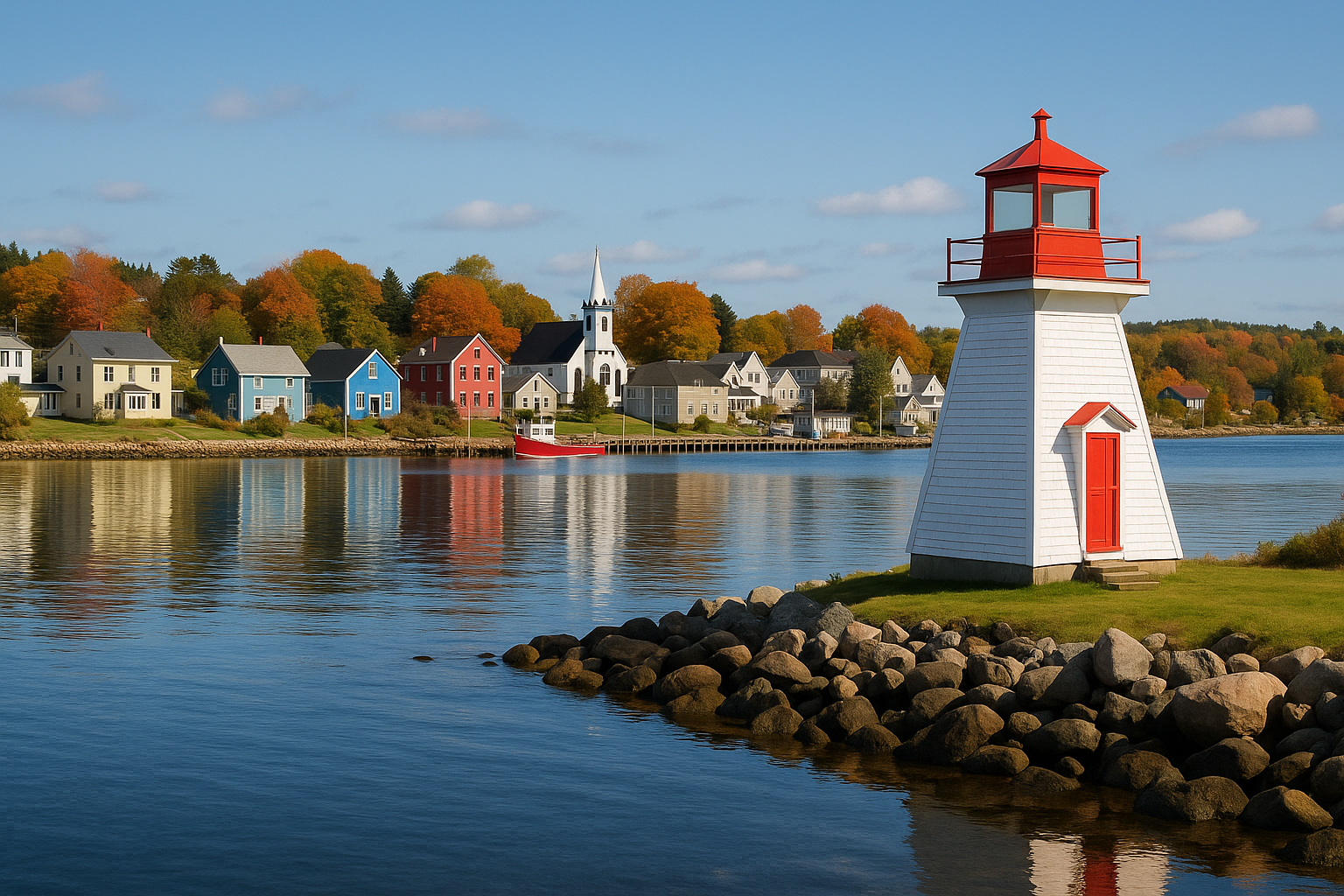
Nova Scotia is renowned for its stunning landscapes, friendly communities, and relatively low cost of living compared to other Canadian provinces. For those seeking affordable living without compromising quality of life, this eastern province is an excellent choice. But what makes living here so affordable, and which towns should you consider?
Factors Contributing to Affordability
- Cost of Housing: The average home price in Nova Scotia is considerably lower than in other parts of Canada, making it attractive to both first-time homebuyers and retirees. According to the Canadian Real Estate Association, as of 2026, the average home price in Nova Scotia is approximately CAD 350,000.
- Cost of Living: Everyday expenses, such as groceries, utilities, and transportation, are reasonably priced. Numbeo’s Cost of Living Index suggests that Nova Scotia cities have a lower cost of living index compared to major urban centers like Toronto and Vancouver.
- Quality of Life: Nova Scotia offers a peaceful lifestyle with access to natural beauty, making it appealing for those seeking tranquility without breaking the bank.
Top 5 Towns in Nova Scotia for Affordable Living
1. Truro
Truro, known as the "Hub of Nova Scotia," offers a perfect blend of small-town charm and modern amenities. The town is centrally located, providing easy access to Halifax and other parts of the province. The average home price here is around CAD 300,000, making it an affordable option for families and retirees alike.
Truro also boasts excellent parks, cultural events, and schools, supported by a strong sense of community. Recent initiatives have focused on urban renewal and tourism, further boosting the area's appeal.
2. New Glasgow
Located in Pictou County, New Glasgow is another affordable option with a rich history and vibrant community life. The town is known for its beautiful riverside location and its commitment to sustainability and economic diversity.
New Glasgow's housing market remains accessible, with average home prices hovering around CAD 280,000. The local economy, anchored by manufacturing and services, provides ample job opportunities.
3. Bridgewater
Bridgewater, situated on the South Shore, benefits from its scenic location along the LaHave River. The town has been experiencing a steady growth in population, owing to its affordability and high standard of living.
With average home prices at approximately CAD 290,000, Bridgewater offers affordability along with a multitude of outdoor activities, thanks to its proximity to beaches and hiking trails. The town also invests in community facilities and education, making it ideal for families.
4. Amherst
Amherst, close to the New Brunswick border, prides itself on its historical architecture and welcoming community. It's one of the more affordable towns, with homes typically priced around CAD 250,000.
The local economy benefits from agriculture, retail, and service sectors, providing a balanced mix of employment opportunities. Amherst’s community life is enriched with cultural festivals and easy access to outdoor recreation areas.
5. Kentville
Kentville is a vibrant town set in the Annapolis Valley, known for its agricultural heritage and scenic beauty. The town is applauded for its environmental projects and community involvement.
With average home prices near CAD 310,000, Kentville is appealing for those who appreciate a rural setting but with the conveniences of urban living. The local schools, healthcare, and community events lend to an active and connected lifestyle.
Making the Move: What You Need to Know
Navigating the Real Estate Market
Those interested in relocating to Nova Scotia should consider engaging a local real estate agent, familiar with the market dynamics and community specifics. Resources such as the Government of Nova Scotia's website offer guided support for newcomers.
Employment and Economic Opportunities
While historically reliant on industries such as fishing, Nova Scotia is expanding into tech, renewable energy, and tourism. Data from Export Development Canada in 2026 highlights the province's economic diversification, providing a platform for employment growth.
Quality of Life Considerations
Nova Scotia’s laid-back lifestyle is coupled with cultural vitality due to events like the Halifax International Busker Festival and the Celtic Colours Festival on Cape Breton Island. These cultural elements, combined with an emphasis on education and healthcare, amount to a well-rounded living experience.
Conclusion
Choosing to live in Nova Scotia provides an opportunity not only for financial savings but also for enrichment through vibrant community life and natural beauty. For those seeking a harmonious balance of affordability and quality of life, the province's towns offer myriad opportunities for personal and professional fulfillment.