Discover Practical Cooling Upgrades to Reduce Your Energy Costs
Explore how simple cooling upgrades might reduce your energy expenses! Discover effective ways to enhance your home's cooling efficiency without the need for extravagant modifications. These practical tips aim to optimize your energy usage and potentially lower your monthly bills.
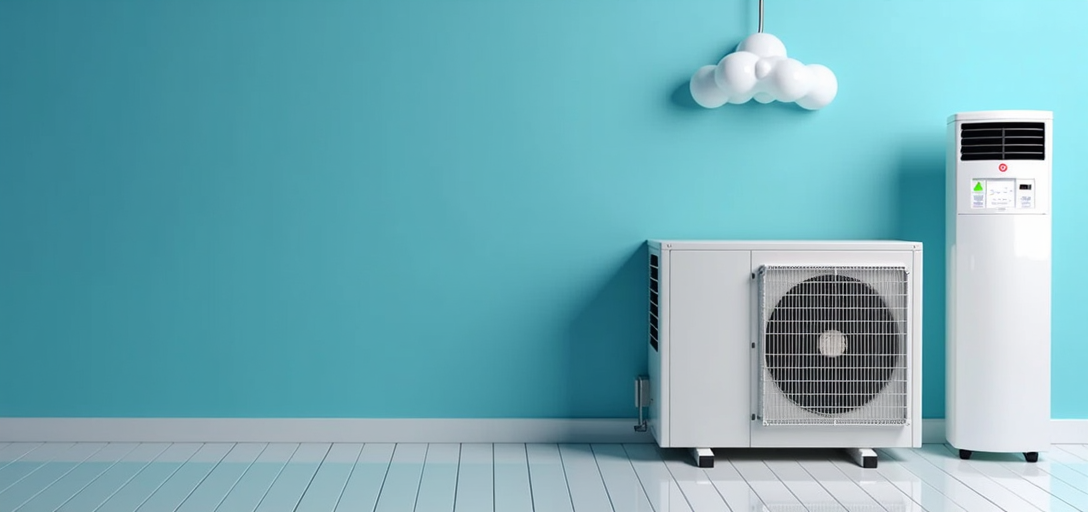
Understanding Cooling Upgrades: The Basics
As temperatures rise, keeping your home cool becomes not only a matter of comfort but also a financial concern. Energy bills can skyrocket as air conditioning systems work overtime. However, implementing simple cooling upgrades can effectively lower your energy bills and make your home more energy-efficient. In this article, we will explore various cooling upgrade strategies relevant to homeowners in the United States.
Why Focus on Cooling Upgrades?
Cooling accounts for a substantial portion of energy use in U.S. households, especially during summer. According to the U.S. Energy Information Administration, air conditioning comprises about 12% of total residential energy expenditure annually. By investing in cooling upgrades, homeowners can reduce this significant cost while enhancing comfort.
Effective Cooling Upgrade Techniques
1. Enhancing Insulation
Insulation plays a crucial role in maintaining a stable temperature inside your home by minimizing heat transfer. Adding or upgrading insulation in your attic, walls, and floors can prevent cool air from escaping and hot air from entering. The Department of Energy suggests that proper insulation can save 10-50% on air conditioning costs.
2. Sealing Air Leaks
Air leaks often occur around windows, doors, and other openings, leading to unnecessary energy losses. By applying weatherstripping or caulking, you can seal these gaps and prevent cool air from leaking out. This simple measure can improve energy efficiency by up to 15%, significantly reducing energy bills.
3. Utilizing Window Treatments
Windows are a major source of heat gain. Incorporating reflective films, shades, or blinds can block up to 77% of solar heat. During peak sun hours, closing curtains or blinds can help maintain lower indoor temperatures, reducing the reliance on air conditioning.
4. Upgrading to Energy-Efficient AC Units
Modern air conditioners are more energy-efficient than older models, often featuring a higher SEER (Seasonal Energy Efficiency Ratio) rating. An upgrade to an Energy Star-certified unit can cut energy use by 30-50%. This is an upfront investment, but the savings on energy bills over the lifespan of the unit can outweigh initial costs.
Additional Cooling Measures
Implementing Smart Home Technology
Smart thermostats can significantly improve your cooling system’s efficiency. By automatically adjusting temperatures based on your routines, these devices optimize energy use. A study by EnergyHub in 2026 found that smart thermostats can reduce cooling costs by 10-12% on average.
Routine Maintenance and Servicing
Regular maintenance of your cooling systems ensures optimal performance. Cleaning filters, coils, and fins enhances efficiency and prolongs the unit’s life. Scheduled maintenance can reduce energy usage by 5-15%, as stated by the American Council for an Energy-Efficient Economy.
Considering Natural Ventilation
Leveraging natural ventilation by opening windows or using ceiling fans can cool your home without incurring energy costs. Fans use significantly less electricity compared to air conditioners and can help circulate cool air throughout the house.
Real-World Examples and Case Studies
Consider the example of homeowners in Arizona, a state with one of the highest cooling demands in the U.S. By implementing a combination of enhanced insulation, energy-efficient windows, and a smart thermostat, many have reported a 20-25% reduction in energy bills during peak summer months. Read more about successful cooling strategies here.
Evaluating Cost and Benefits
While some cooling upgrades require a significant initial investment, the long-term savings and increased property value often justify the cost. For instance, attic insulation costing $1,700 could save up to $600 per year in cooling costs, recouping the investment in just a few years.
In states with financial incentives, like California, residents might benefit from rebates that reduce the cost of installing energy-efficient systems. These programs aim to support the transition to more sustainable and less costly energy usage nationwide.
Conclusion: Making the Right Choices
Making informed choices about cooling upgrades can provide both financial relief and environmental benefits. By focusing on insulation, sealing leaks, upgrading AC units, and incorporating smart technologies, homeowners stand to significantly decrease their energy consumption and costs. Adopting these strategies not only enhances comfort but also contributes to a more sustainable future.
For further reading on energy-efficient cooling solutions, visit the U.S. Department of Energy's resource page.