Discover Practical Textile Storage Ideas for Effortless Fabric Organization
Discover innovative textile storage ideas that can enhance your fabric organization game. Whether you're a seasoned crafter or just starting out with fabric projects, these methods help you sort through your textile collection more efficiently.
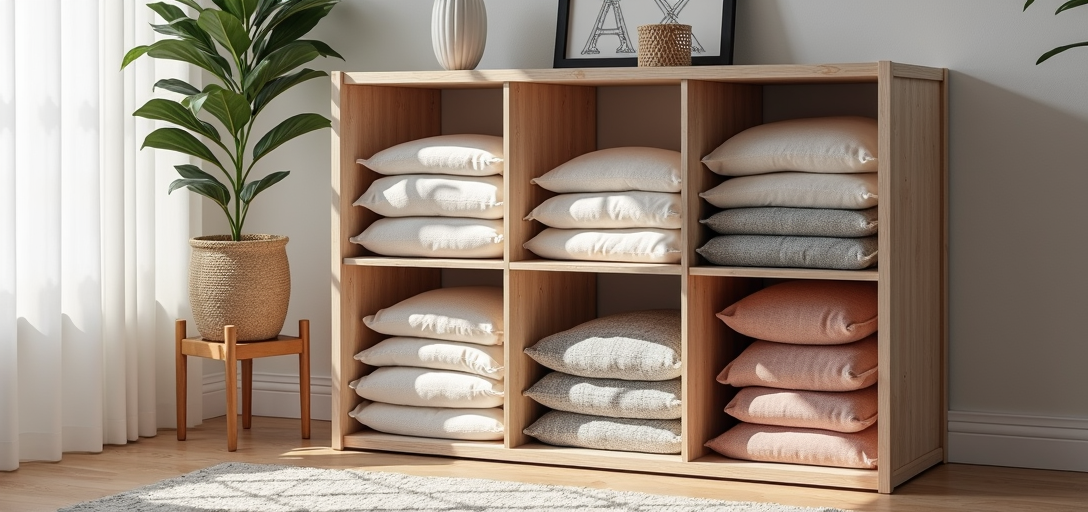
Why Proper Textile Storage Is Essential
Managing textile storage is an often overlooked but vital aspect of fabric organization. A well-organized textile collection not only enhances your creative workflow but also preserves the quality and longevity of your materials. In the US, the average household spends approximately $230 annually on textiles, making effective storage a necessary consideration.
Proper storage solutions help protect your textiles from environmental factors like light, dust, and moisture, which can all lead to deterioration over time. Implementing these storage strategies ensures your fabrics remain in pristine condition and ready for use whenever creativity strikes.
Common Problems with Textile Storage
- Damage from sunlight exposure
- Mold and mildew development due to humidity
- Dust accumulation
- Creasing and wrinkling
Understanding these common issues allows you to put preventive measures in place, ensuring your textiles remain a valuable resource for years to come.
Textile Storage Ideas to Improve Fabric Organization
To help you navigate the realm of textile storage, we've compiled a list of innovative and practical ideas that cater to both small-scale hobbyists and professional fabric collectors. These solutions are designed to be both cost-effective and easy to implement, allowing for customizable organization that suits your specific needs.
1. Use Transparent Storage Bins
Opt for clear plastic storage bins that allow you to see the contents without opening them. This visual access saves time and maintains order by reducing the need to rummage through containers. Look for bins with secure, airtight lids to protect fabrics from dust and pests.
2. Roll Rather Than Fold Your Fabrics
Rolling fabrics instead of folding them can help minimize creasing and make better use of storage space. Whether using drawers, shelves, or bins, rolling your textiles helps maximize visibility and accessibility.
3. Label Everything
Label your storage containers clearly. Consider including fabric types, lengths, and color codes on labels for easy identification. This practice simplifies fabric retrieval and inventory management over time.
4. Utilize Pegboards
Pegboards are versatile and can be a game-changer for visual textile storage. Hang small fabric samples, tools, and reference materials directly on the wall for instant access while maximizing space. Pegboards cater to varied layouts, allowing for creative and efficient organization.
5. Invest in a Fabric Organizer
Dedicated fabric organizers - available through many online retailers - offer tailored storage solutions. They often include adjustable shelves, rods for hanging, and drawer compartments, allowing you to orchestrate your fabric collection elegantly.
6. Climate-Controlled Storage
If you have a larger collection or live in an area with extreme weather conditions, consider investing in climate-controlled storage solutions. Maintaining a constant temperature and humidity level can prevent mold growth and fabric degradation.
Advanced Fabric Preservation Tips
For those serious about fabric collection and preservation, implementing advanced storage techniques can safeguard your materials from various risks. Here are some expert recommendations:
1. Acid-Free Storage Materials
Utilize acid-free tissue paper and storage boxes to prevent fabrics from yellowing or becoming brittle over time. These materials provide a stable environment for delicate textiles, ensuring their preservation.
2. Regularly Rotate Fabric Stock
Periodically rotate your fabric stock to ensure even exposure to environmental conditions. This rotation mitigates potential damage from prolonged storage and makes you continually aware of your collection's status.
3. Install UV Protection in Storage Areas
Invest in UV protective sheets or window films if your storage area receives a lot of natural light. These products block harmful rays that can cause colors to fade and fibers to weaken.
Conclusion: Transforming Your Fabric Storage Experience
By adopting these textile storage solutions in your US-based home or studio, you are not only improving your organization but also extending the life of your fabrics. Embrace these techniques to transform your creative environment into an efficient and inspiring space.
Implementing smart storage ideas minimizes disruption during projects and provides peace of mind, knowing your textiles are well-protected and easily accessible. Whether you're a sewing aficionado or a textile designer, proper fabric organization is an invaluable skill that transforms your workspace and enhances your creativity.