Discover Scientifically Proven Treatments for Managing Diabetes Effectively
Discover the most effective options available today! From lifestyle changes to new medications, our guide explores innovative approaches to managing diabetes. Learn about the top 5 best treatments for diabetes that can help you maintain balanced blood sugar levels and improve overall wellbeing.
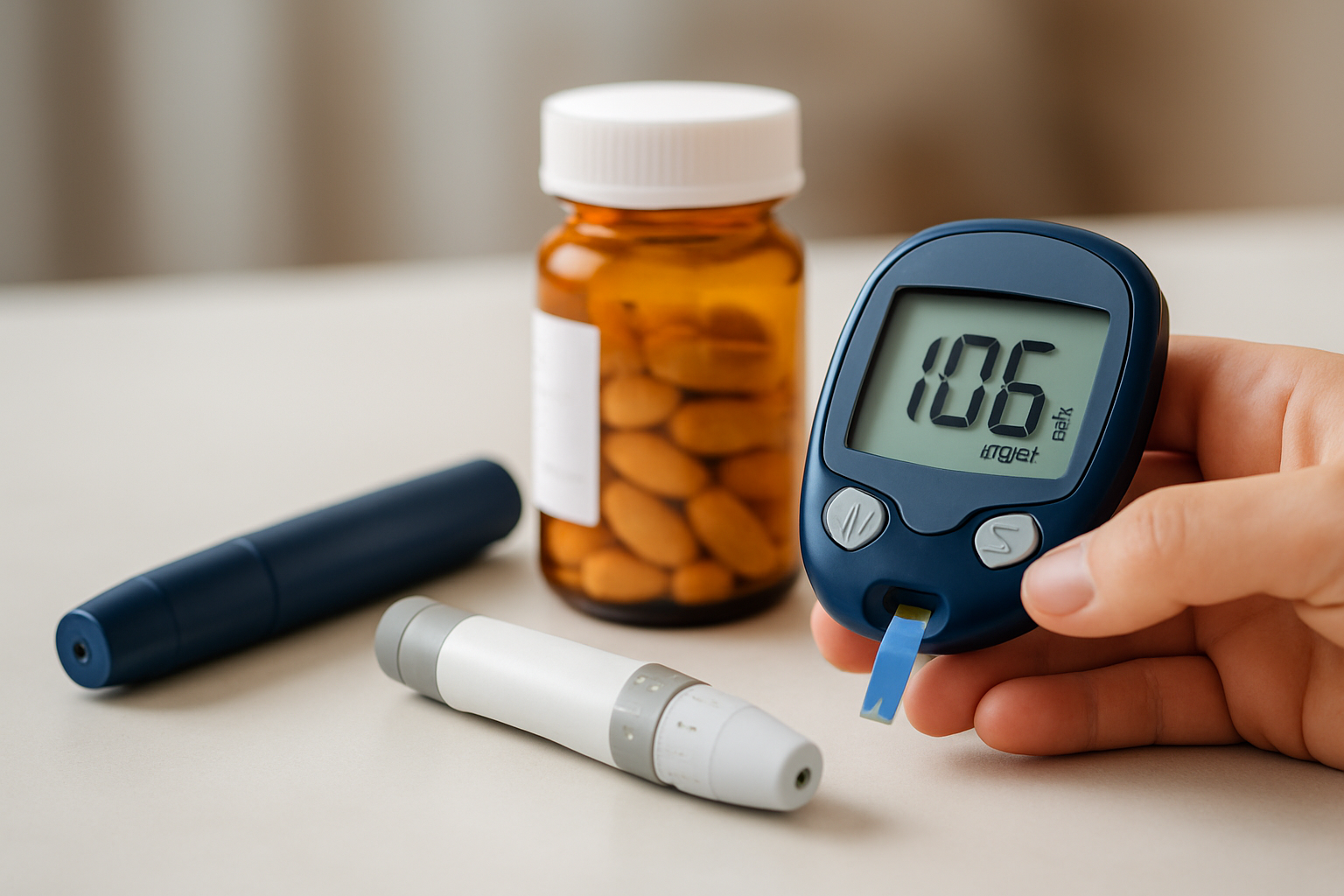
Understanding Diabetes: An Overview
Diabetes is a chronic illness that affects how your body turns food into energy. The body either doesn’t make enough insulin or can’t use the insulin it makes as well as it should. This can cause too much blood sugar to stay in the bloodstream, which can lead to serious health issues over time, such as heart disease, vision loss, and kidney disease.
Recent statistics show that in 2026, approximately 537 million adults worldwide are living with diabetes, a number that is on the rise due to lifestyle factors and genetic predispositions. Managing this condition requires a comprehensive approach involving medical treatment, lifestyle adjustments, and sometimes surgery.
The Top 5 Best Treatments for Diabetes
1. Medication and Insulin Therapy
Pharmaceuticals play a crucial role in managing diabetes. Two frequent forms of diabetes, Type 1 and Type 2, can often be controlled through medication. For those with Type 1 diabetes, insulin therapy is essential because their bodies don’t produce insulin on their own.
Types of Medication:
- Metformin: Commonly used for Type 2 diabetes, it lowers glucose production in the liver.
- Sulfonylureas: These help the body to secrete more insulin.
- GLP-1 Receptor Agonists: They slow down digestion and help control blood sugar levels.
Recent research in 2026 indicates advancements in insulin delivery systems, including the use of smart insulin pens and pumps, which provide precise dosing and data tracking. A Diabetes.org report emphasizes the importance of personalized treatment plans that cater to individual glucose monitor readings and lifestyle.
2. Healthy Eating and Diet Management
Diet plays a pivotal role in managing diabetes. A well-balanced diet helps control blood sugar levels and prevents complications. The focus should be on consuming nutrient-dense foods and regulating carbohydrate intake.
Eating Tips for Diabetics:
- Carbohydrate Counting: Monitoring the number of carbohydrates consumed at each meal.
- Glycemic Index Awareness: Choosing low-GI foods to manage blood sugar spikes.
- Fiber-Rich Foods: Incorporating whole grains, vegetables, and fruits to aid digestion and glucose control.
As per a recent publication in the American Journal of Clinical Nutrition, a Mediterranean diet rich in mono-unsaturated fats and low in red meat and processed foods has been shown to be effective in managing Type 2 diabetes.
3. Regular Physical Activity
Exercise is integral to managing diabetes, as it helps maintain blood glucose levels and improve overall cardiovascular health. Physical activity increases insulin sensitivity and aids weight management.
Recommended Activities:
- Aerobic Exercise: Such as walking, cycling, or swimming for at least 150 minutes per week.
- Strength Training: Lifting weights or doing bodyweight exercises twice a week can improve insulin sensitivity.
- Flexibility and Balance Exercises: Yoga and pilates to improve overall wellbeing.
According to the American Diabetes Association, engaging in regular exercise reduces the risk of diabetes complications and can improve quality of life.
4. Monitoring Blood Sugar Levels
Regular monitoring of blood glucose levels is crucial in diabetes management. It helps in making informed decisions about diet, physical activity, and medication.
In 2026, continuous glucose monitors (CGMs) have become more prevalent, providing real-time blood glucose readings, which help in precise medication dosing. As technology advances, these devices become more user-friendly and accurate, significantly enhancing diabetes management.
5. Lifestyle and Behavioral Changes
Lifestyle factors such as stress management, adequate sleep, and avoiding tobacco and excessive alcohol are equally vital in diabetes management. Stress can cause blood sugar levels to spike, making emotional balance paramount.
Behavioral Strategies:
- Mindfulness and Meditation: Help reduce stress and improve emotional wellbeing.
- Education: Learning about diabetes and its management empowers patients in handling their condition.
- Support Groups: Joining diabetes support groups can provide emotional support and practical advice.
Research, including reports from JAMA Network, shows that individuals who engage actively in education and support experiences have better management of their diabetes.
Conclusion
Managing diabetes effectively involves a combination of medication, lifestyle changes, dietary adjustments, and continuous monitoring. While each of these strategies plays an essential role, the integration of all can lead to a healthy, fulfilling life even with diabetes. It is always recommended to work closely with healthcare professionals to develop a personalized management plan tailored to individual needs and health conditions.