Discover the Benefits of Usage-Based Insurance for the Savvy Driver
Discover how usage based insurance can transform the way everyday drivers manage their auto policies. By connecting driving habits directly to insurance premiums, this innovative model offers more tailored coverage options.
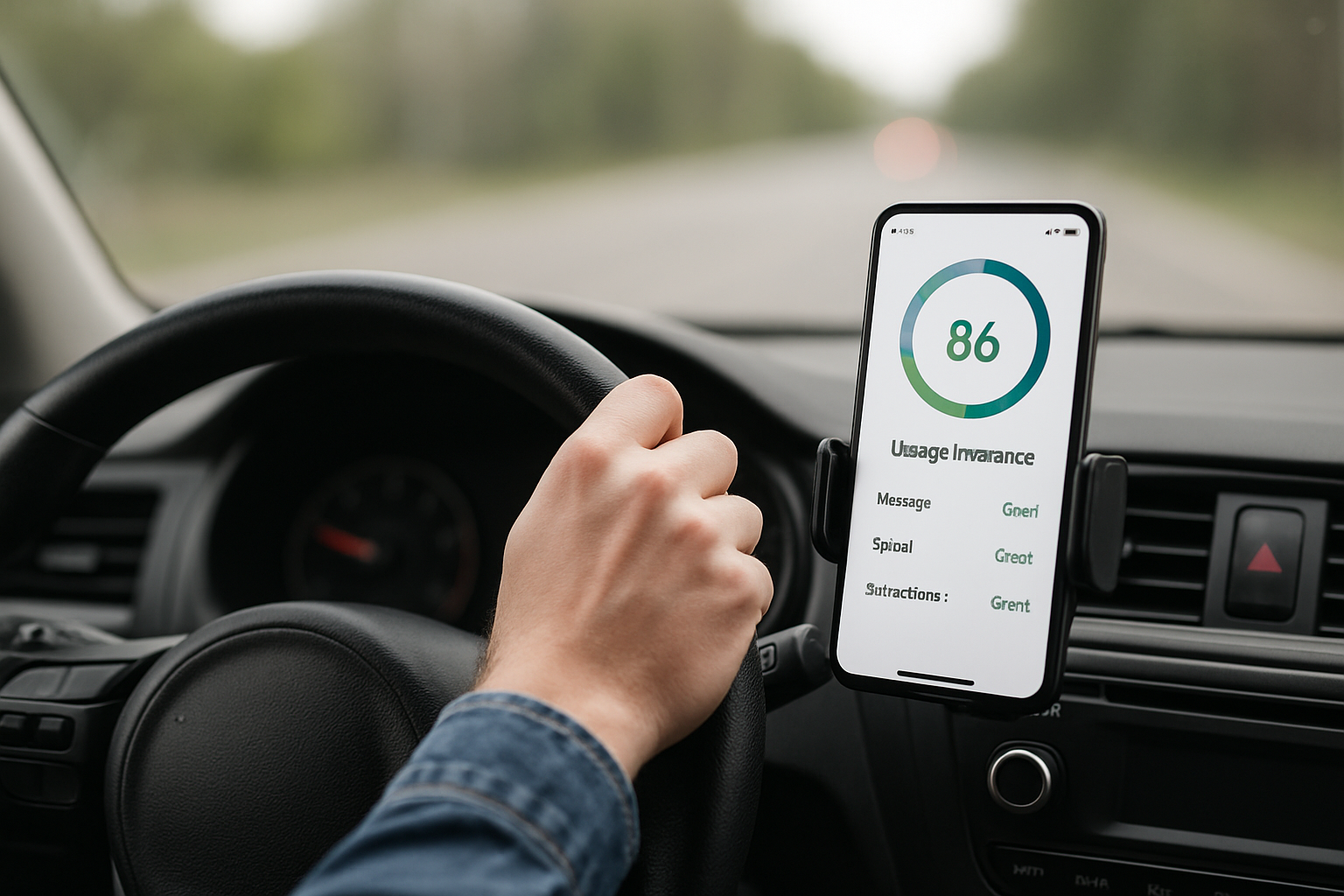
Understanding Usage-Based Insurance: A Guide for Everyday Drivers
Everyday drivers are continually seeking ways to make their driving experience more cost-effective and personalized. Usage-Based Insurance (UBI) has emerged as a compelling solution, promising tailored insurance premiums based on individual driving habits. But what exactly is UBI, and how does it benefit the average driver?
What is Usage-Based Insurance?
Usage-Based Insurance is a modern approach to car insurance that leverages technology to monitor and assess a driver's behavior behind the wheel. Traditional car insurance often relies on generalized factors like age, vehicle type, and past claims to determine premiums. In contrast, UBI uses real-time data collected from telematics devices to evaluate how, when, and where a car is driven.
How Does UBI Work?
At the core of UBI is telematics technology—this could be a device installed in the car, a smartphone app, or pre-installed in the vehicle's system. These technologies track:
- Mileage: The total distance driven, which directly impacts risk assessment.
- Driving Behavior: Speeding, hard braking, rapid acceleration, and cornering.
- Location and Time: Where and when you drive, considering riskier times or areas.
The data collected offer insurers a detailed picture of driving habits, allowing for more accurate premium calculations. In essence, drivers who exhibit safer driving behaviors are often rewarded with lower rates.
Benefits of Usage-Based Insurance for Everyday Drivers
UBI presents several key advantages for the typical motorist:
- Cost Savings: One of the primary draws is the potential for reduced premiums. According to a 2026 analysis by Insurance Insights, policyholders demonstrating safe driving habits saved an average of 15-20% compared to traditional policies.
- Personalized Insurance: Premiums reflect actual usage and behavior, making insurance fairer for low-mileage and safe drivers.
- Encourages Safer Driving: By providing insights into driving patterns, UBI encourages drivers to adopt safer driving practices. Many programs offer apps with feedback, rewarding improvements.
- Environmental Impact: Reduced driving can lead to lower emissions, contributing positively to the environment. A study by Green Roads Advisory in 2026 highlights a 5% average reduction in car-related emissions for UBI participants.
Potential Drawbacks to Consider
While UBI offers numerous benefits, it's not without its challenges:
- Privacy Concerns: The collection of driving data raises privacy concerns for some. Insurance companies often address these concerns by providing transparency and data protection measures.
- Variable Premiums: While fluctuations in premiums could be beneficial, they can also be unpredictable if driving habits change.
- Device Malfunctions: Reliance on technology means occasional technical issues could affect data accuracy.
Is Usage-Based Insurance Right for You?
Deciding whether UBI is suitable involves considering personal driving habits and individual preferences for data sharing. It's particularly beneficial for:
- Those who drive less frequently than average, as fewer miles can result in lower premiums.
- Individuals with consistently safe driving practices.
- Tech-savvy drivers comfortable with the use of apps and data-sharing technologies.
Real-World Examples of UBI in Action
Let's take a look at a few examples of how UBI has impacted drivers:
- The Safe Commuter: Emily, who commutes short distances daily, opted for a UBI policy. Her careful driving and limited mileage led to a 25% reduction in her annual premium.
- The Distance Driver: Mark, with a previous record of speeding, improved his driving habits after continuously utilizing feedback from his UBI program. This not only reduced his premiums by 15% but also led to greater personal satisfaction knowing he drives more safely.
Future of Usage-Based Insurance
As technology continues to evolve, the scope and capabilities of UBI are expected to expand. With the increasing adoption of AI and machine learning, future systems promise even more refined analyses of driving patterns and predictive modeling. This will likely lead to further customization of policies, broader participation incentives, and enhanced road safety measures.
In summary, Usage-Based Insurance offers a revolutionary shift in how we perceive and engage with car insurance. By tailoring premiums to the individual, it not only promotes safe driving but also paves the way for a more sustainable and customer-oriented insurance model. It's crucial for interested drivers to weigh the benefits against their driving habits and comfort levels regarding data use, ensuring informed choices about adopting UBI policies.