Discover the Best 10 Air Conditioner Rebate Programs in Australia
Discover Australia's leading air conditioner rebate programs and save money on energy costs. Our list of the top 10 air conditioner rebate programs helps you stay cool without breaking the bank.
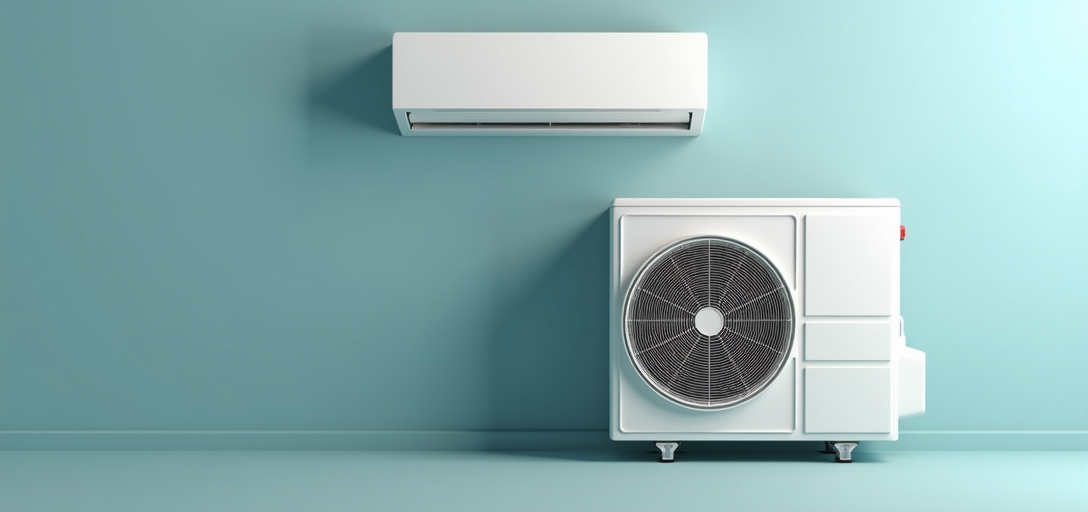
Understanding Air Conditioner Rebate Programs in Australia
As temperatures rise and climate change becomes more impactful, Australians are increasingly focused on efficient energy use. Air conditioner rebate programs are popular initiatives designed to promote energy-efficient home improvements by subsidizing the cost of new air conditioning units. These programs are beneficial for reducing your carbon footprint and cutting down energy costs.
In 2026, the Australian government and utility companies have continued to prioritize sustainability, offering a variety of rebates for air conditioning to encourage efficient energy use. This article will delve into the top 10 air conditioner rebate programs in Australia, providing answers to common questions and highlighting the benefits of these initiatives.
The Importance of Rebate Programs
Why Are Air Conditioner Rebates Offered?
Rebate programs are introduced to motivate homeowners to replace old, inefficient air conditioning systems with new, energy-efficient models. These programs are part of Australia's broader goals to reduce greenhouse gas emissions, alleviate stress on the electricity grid, and help families reduce their utility bills.
Who is Eligible for These Rebates?
Eligibility for these rebate programs can vary. Generally, they target residential home-owners and sometimes renters. Eligibility often depends on your location, the specific air conditioning unit you purchase, and sometimes your income level. It’s crucial to check specific program details before purchase.
Top 10 Air Conditioner Rebate Programs in Australia 2026
1. Victorian Energy Upgrades (VEU)
The VEU program offers rebates for energy-efficient appliances, including air conditioners. Residents of Victoria can avail up to a 50% discount on new energy-star-rated units. This program not only reduces upfront costs but also provides ongoing savings.
2. NSW Government Energy Saver Scheme
New South Wales offers rebates under their Energy Saver Scheme, which encourages residents to lower their energy usage. As of 2026, rebates are available for advanced air conditioning systems that meet specific energy efficiency ratings.
3. Queensland Climate Smart Home Service
In Queensland, this program provides households with rebates on energy-efficient appliances, including a rebate of up to $400 on new air conditioning systems that exceed efficiency requirements.
4. ACT Sustainable Household Scheme
The ACT government supports energy efficiency through rebates that help offset costs for purchasing and installing efficient air conditioning units in residential homes.
5. Western Australia Energy Efficiency Grants
Western Australia offers grants that incentivize residents to invest in energy-efficient air conditioning. These grants align with broader energy reduction strategies being implemented state-wide.
6. South Australia Home Energy Audits and Rebates
Residents in South Australia can benefit from rebates following a home energy audit. The state government promotes the replacement of old units, with significant rebates on models that achieve superior energy efficiency.
7. Tasmania Energy Efficiency Loan Scheme
This program offers interest-free loans that Tasmanian residents can use toward purchasing energy-efficient air conditioning systems. The program is designed to make environmentally friendly home upgrades accessible to more households.
8. Northern Territory Energy Efficiency Improvement Scheme
The Northern Territory offers financial incentives for residents to upgrade to more efficient appliances, including air conditioning units. Rebates can vary but provide substantial savings for energy-conscious households.
9. Australia's Renewable Energy Target (RET) Scheme
Funded federally, the RET scheme provides certain rebates on air conditioners that integrate with renewable energy systems, encouraging a holistic approach to energy efficiency.
10. Utility Company Incentives
Beyond government initiatives, many Australian utility companies offer their rebates or incentives for customers investing in energy-efficient appliances. These can be found by contacting your energy provider or visiting their website.
How to Apply for a Rebate
Applying for air conditioner rebates typically involves a few straightforward steps:
- Research: Ensure your air conditioning unit qualifies under the specific program. Check energy ratings and model eligibility.
- Documentation: Prepare necessary documents like purchase receipts, proof of installation, and energy rating reports.
- Application: Submit these documents either online or through mail as per the required process of the specific program.
- Confirmation: Await confirmation and approval before the rebate amount is reimbursed to you.
Information and forms are available on the respective government or utility provider’s websites. Always keep a backup of all paperwork and submissions for your records.
The Environmental Impact of Efficient Air Conditioning
With climate change at the forefront of global issues, efficient energy use is critical. Air conditioning systems account for a significant portion of energy consumption in Australian homes. By switching to energy-efficient models, Australians can significantly reduce electricity use, and thereby, decrease national carbon emissions.
Programs like these garner community involvement in sustainability efforts, aligning personal benefits with the collective goal of environmental preservation.
Conclusion
As Australia advances towards a sustainable future, air conditioner rebate programs form a substantial part of the solution. They not only offer financial assistance for individuals ready to upgrade their home systems but also contribute to broader environmental goals.
For more information, consider visiting the official government websites for respective state energy authorities and federal initiatives such as the Australian Department of Energy and specific Climate Change Programs. These resources will offer the most accurate and up-to-date information regarding eligibility, application processes, and ongoing savings.
- Victorian Energy Upgrades (VEU) Heating and Cooling Discounts
- NSW Government Home Energy Saver Program
- Queensland Climate Smart Energy Savers
- ACT Sustainable Household Scheme
- Western Australia Energy Efficiency Grants
- South Australia Home Energy Audits and Rebates
- Tasmania Energy Efficiency Loan Scheme
- Northern Territory Energy Efficiency Improvement Scheme
- Australia's Renewable Energy Target (RET) Scheme
- Australian Government Rebates & Utility Incentives Directory