Discover the Best 7 Foods to Support Kidney Health
Uncover the Top 7 Foods for Chronic Kidney Disease that could help support kidney health with their potential benefits. Learning about the right foods is vital for those concerned with kidney health, as diet plays a crucial role in managing Chronic Kidney Disease.
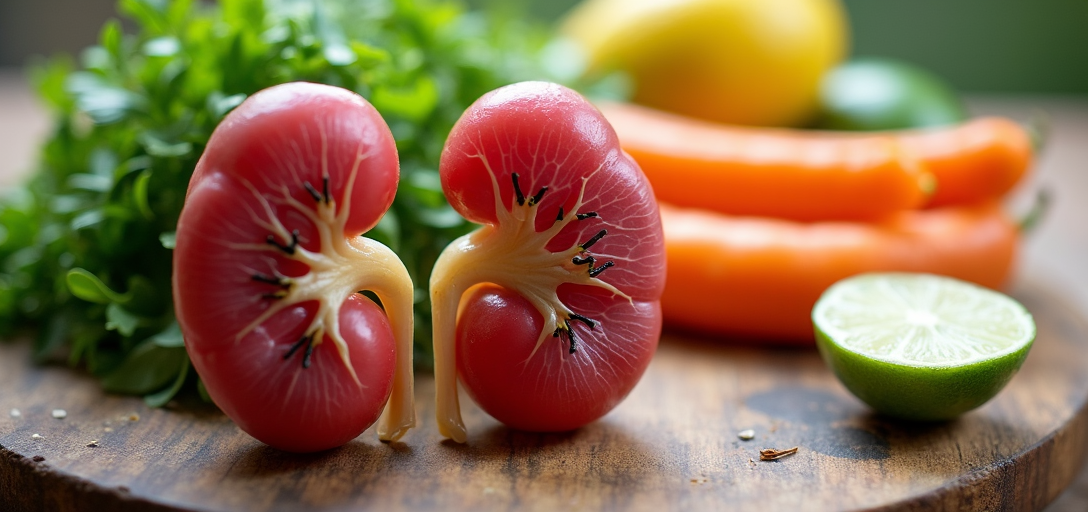
Understanding Chronic Kidney Disease (CKD)
Chronic Kidney Disease (CKD) is a long-term condition characterized by a gradual loss of kidney function over time. It affects millions of people around the world, including a significant portion of the US population. CKD can lead to serious health issues, including kidney failure, if not managed properly. Early detection and lifestyle modifications, particularly dietary changes, are crucial in managing CKD effectively.
What Causes CKD?
CKD can be caused by a variety of factors, including diabetes, high blood pressure, and other chronic conditions. According to the National Kidney Foundation, diabetes and high blood pressure are among the leading causes, accounting for approximately two-thirds of CKD cases in the US. Genetic predisposition and lifestyle factors such as smoking and poor diet also play significant roles.
Symptoms and Diagnosis
CKD is often asymptomatic in its early stages. As the disease progresses, symptoms may include fatigue, swollen ankles, frequent urination, blood in urine, and high blood pressure. Diagnosis typically involves blood and urine tests, ultrasound, or a kidney biopsy. Early diagnosis can help manage the condition and slow disease progression.
Top 7 Foods for Managing Chronic Kidney Disease
Managing CKD involves adhering to a kidney-friendly diet. The following foods can be beneficial for those living with CKD:
- Red Bell Peppers: Rich in vitamins A, C, and B6, red bell peppers are low in potassium, making them an excellent choice for kidney health. They add flavor and nutrients to the diet without compromising kidney function.
- Cabbage: Cabbage is a cruciferous vegetable packed with phytochemicals and vitamin K. It's low in potassium and sodium, which helps maintain kidney health and reduce blood pressure.
- Cauliflower: This versatile veggie is rich in vitamin C, folate, and fiber. Cauliflower is also low in potassium, making it a kidney-friendly food that can be roasted, steamed, or mashed.
- Garlic: Garlic offers anti-inflammatory properties and is a great substitute for salt, which is crucial for managing high blood pressure in CKD patients. It also enhances the flavor of meals without adding excess sodium.
- Apples: Apples are high in fiber and anti-inflammatory compounds but low in potassium, making them ideal for a kidney-friendly diet. They also provide sweetness and a crunchy texture to the diet without the need for high-sugar snacks.
- Onions: Onions are rich in flavonoids and chromium, which help with the breakdown of fats and carbohydrates. They are low in sodium and enhance food flavor naturally.
- Blueberries: Low in phosphorus and rich in antioxidants, blueberries are excellent for those with CKD. They can be added to smoothies, cereals, or eaten as a snack.
The Role of Nutrition in CKD
A kidney-friendly diet is crucial in managing CKD. Foods high in potassium, sodium, and phosphorus should be limited, while adequate protein intake should be maintained. Consulting with a healthcare provider or dietitian can help create a personalized dietary plan. For example, the National Institute of Diabetes and Digestive and Kidney Diseases emphasizes the importance of controlling protein intake to reduce kidney workload.
Fluid Intake and CKD
Fluid management is another important aspect of a CKD diet. Depending on the stage of CKD, fluid intake may need to be adjusted to prevent fluid retention. This helps manage blood pressure and reduces the strain on the kidneys. It's essential to follow the guidance of a healthcare professional to determine the right amount of daily fluid intake.
Lifestyle Changes and Tips for CKD
Diet is just one part of managing CKD. Incorporating other lifestyle changes can aid in health maintenance and disease management:
- Regular Exercise: Engage in moderate physical activities such as walking, cycling, or swimming to maintain a healthy weight and improve cardiovascular health.
- Smoking Cessation: Quitting smoking can help lower the risk of developing high blood pressure and further kidney damage.
- Stress Management: Techniques such as yoga, meditation, and deep breathing can reduce stress, which may help control blood pressure.
- Regular Health Check-ups: Routine monitoring of kidney function, blood pressure, and blood sugar levels is critical in managing CKD effectively.
Conclusion
Managing CKD requires a multifaceted approach that includes nutritional changes, lifestyle modifications, and regular medical check-ups. A diet rich in specific fruits, vegetables, and low in sodium and potassium is beneficial for kidney health. Furthermore, staying informed and educated about CKD can empower individuals and their caregivers to make better health decisions. For a more comprehensive understanding, resources like the National Institute of Diabetes and Digestive and Kidney Diseases and the National Kidney Foundation offer valuable guidance on living with CKD.