Discover the Best AI Tools for Video Editing in 2026
Discover the top 5 AI tools revolutionizing video edits in 2026 with cuttingedge features and innovative capabilities. These advanced tools are shaping the future of video production by enhancing creativity and speeding up the editing process.
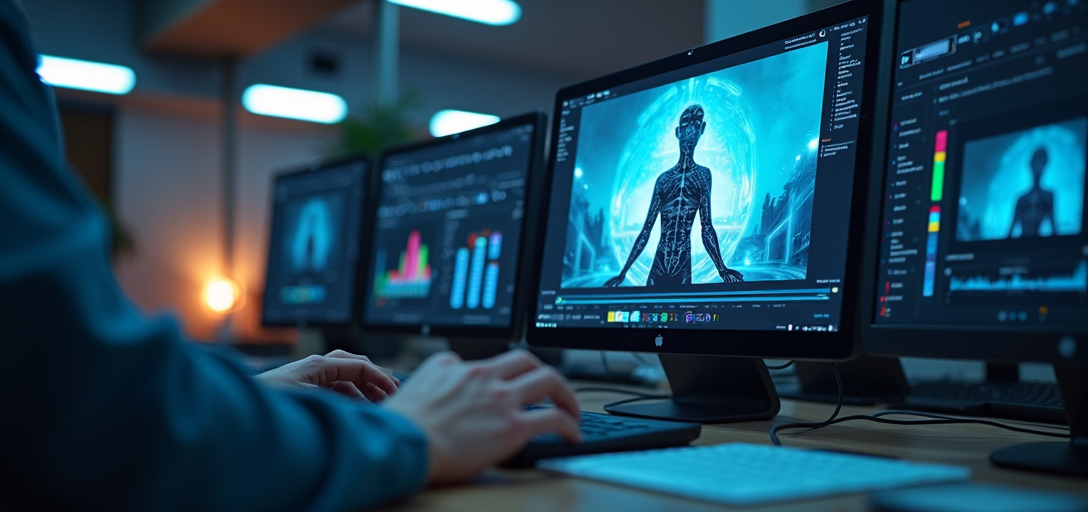
The Revolution of AI in Video Editing
The world of video editing has evolved tremendously over the last few years, powered significantly by Artificial Intelligence (AI) technology. In 2026, AI is not just an assistant but a pivotal tool driving the art of video editing. Whether you're a professional videographer or a hobbyist creator, AI tools have become indispensable for their efficiency and creativity. But what are the top 5 AI tools for video editing in 2026? Let’s explore.
1. Adobe Sensei
Adobe has been a titan in the creative software industry for decades. Their AI engine, Adobe Sensei, is a game-changer in video editing, offering features like automated scene detection, facial recognition, and even natural language editing. This AI can analyze and tag clips, making it easier to organize large volumes of footage. It can also automatically adjust color and lighting to match different scenes seamlessly.
For instance, imagine working on a documentary with hundreds of hours of footage. Adobe Sensei helps streamline the process by identifying key scenes and generating a timeline based on a simple script. Such innovations save hours of manual labor, letting you focus more on the creative aspects of storytelling.
2. Runway ML
Runway ML is another AI powerhouse in the video editing landscape. Known for its capabilities in neural network-based video generation and style transfer, it allows editors to transform videos using various artistic styles effortlessly. This tool is particularly popular for music videos and commercials, where visual flair is crucial.
Take, for example, a music video project intending to mimic the visual style of a famous painter. Runway ML can apply the desired style across every frame, ensuring consistency and enhancing creativity without the painstaking process of frame-by-frame editing.
3. Lumen5
Lumen5 brings AI-driven simplicity to social media content creators who might not have in-depth editing skills. It automatically converts blog posts into engaging videos. By leveraging its AI, Lumen5 selects key points from the text and matches them with relevant stock footage and music. This innovation is perfect for brands looking to quickly generate content for platforms like Instagram and TikTok.
Imagine a small business owner who wants to turn their blog about fashion trends into a video. With Lumen5, this process, which typically takes hours, can now be executed in minutes, making it easy to keep up with the fast-paced nature of social media marketing.
4. Magisto
Magisto leverages AI for automated video editing, focusing on storytelling. It analyzes uploaded footage, applies editing techniques, and produces a polished final product. This tool is ideal for businesses and content creators seeking quick turnarounds without sacrificing quality.
Consider a real estate agent needing short promo videos for multiple properties. Magisto can sift through clips, highlight the most engaging shots, and assemble them into a compelling narrative, complete with transitions and music.
5. Deep Art Effects
For those inclined toward more artistic video concepts, Deep Art Effects offers AI-driven filters akin to famous art styles. It transforms video content by applying complex neural network filters that emulate famous artwork styles. This tool is excellent for filmmakers experimenting with unique visual storytelling.
Visualize a short film aiming to contrast modernity with classic art. Deep Art Effects can apply a chosen artistic filter to amplify the film's narrative and aesthetic, transforming the way audiences perceive and engage with the content.
The Impact of AI on the Video Editing Industry
AI is reshaping the video editing industry by enhancing productivity, reducing costs, and enabling new forms of creativity. Tools like Adobe Sensei and Runway ML automate repetitive tasks and open up possibilities for visual innovation. Professional video editors and newbies alike can benefit from these tools, allowing for focus on creativity rather than tedious technicalities.
A 2026 market analysis by Tech Today indicates a significant uptake in AI-powered editing tools across various industries, projecting a market growth of 18% annually. This trend suggests that AI's role in video editing will only expand, bringing new capabilities to the forefront of digital content creation.
Real-world Applications and Success Stories
Filmmakers and marketers worldwide are leveraging AI to achieve remarkable results. For example, a documentary titled 'Earth 2050' used Adobe Sensei extensively to manage vast amounts of drone footage, resulting in a stunningly coherent narrative. Similarly, Lumen5’s AI helped a startup increase its social media engagement by 150% within a few months by consistently delivering high-quality video content.
As AI tools continue evolving, they're not just aiding production but also shaping new storytelling methods. They democratize content creation, allowing individuals with limited resources to produce high-quality videos, ultimately fostering innovation and elevating the audience's viewing experience.
Conclusion
AI tools are indispensable in 2026’s video editing ecosystem, as they streamline workflows, reduce manual effort, and unlock new creative avenues. Whether you're optimizing content for social media or crafting the next big blockbuster, these top 5 AI tools—Adobe Sensei, Runway ML, Lumen5, Magisto, and Deep Art Effects—offer diverse functionalities tailored to meet varied needs and ambitions.
As these technologies become more sophisticated, staying updated and adaptable will be crucial for anyone in the video editing field. The future promises even more integration of AI, making it an exciting time for creatives eager to push the boundaries of what's possible.
For those interested in exploring these tools further, the Video Processing Insights 2026 report provides an excellent overview of emerging trends and technologies in the digital content space.