Discover the Best Hair Oils for Enhancing Fine Hair Growth and Thickness
Discover the ultimate secret to enhancing your natural radiance. Struggling to find the perfect solution for fine hair? Explore our curated guide to the best hair oils for fine hair growth and thickness.
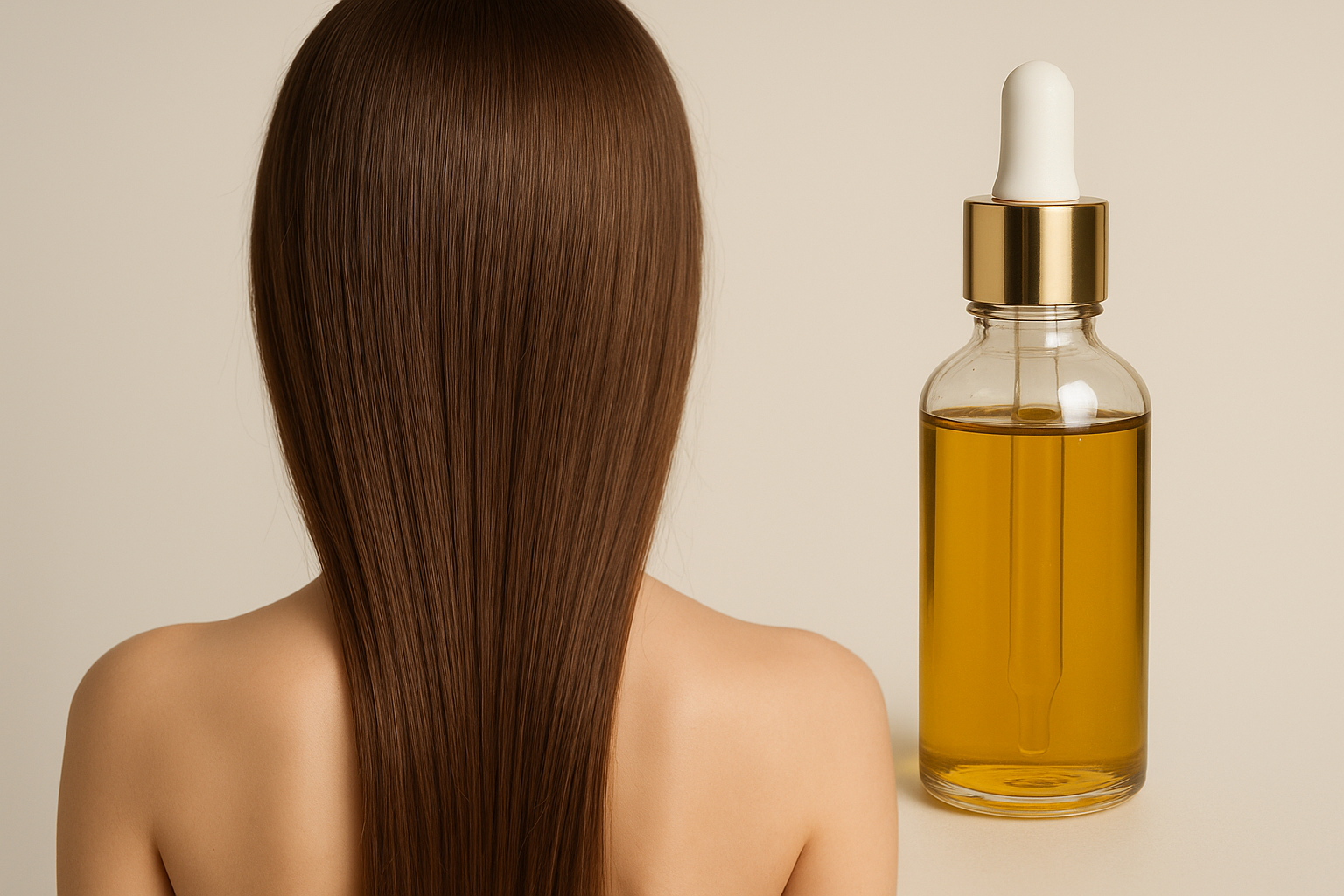
Understanding the Science: How Hair Oils Actually Impact Growth and Thickness
When tackling the concerns of fine, thinning, or delicate hair, it's natural to seek out quick fixes, and hair oils are often touted as the ultimate solution. However, understanding the actual mechanism—the science behind what oils do—is crucial. It’s important to understand that no single oil is a magic bullet; rather, they are highly potent scalp and hair treatments that support the hair cycle and fortify existing strands.
The Hair Growth Cycle and How Oils Intervene
Hair naturally goes through a continuous cycle: the Anagen phase (the active growth phase), the Catagen phase (a transitional slowdown), and the Telogen phase (resting and shedding). When hair is fine or prone to thinning, often the anagen phase is prematurely shortened, leading to shedding. Specialized oils and scalp treatments help maintain the health of the follicle itself. They do this not by forcing faster growth, but by optimizing the environment where the hair is growing.
The primary ways oils assist are:
- Circulation Stimulation: The physical act of scalp massage with nourishing oils significantly boosts blood flow to the scalp. Increased circulation means more oxygen and vital nutrients are delivered directly to the hair follicles.
- Follicle Strengthening: Oils, particularly carrier oils rich in antioxidants, help nourish the dermal papilla—the small group of cells at the base of the hair follicle that determines hair growth.
- Reduced Breakage: For fine hair, breakage is often the biggest visual concern. Oils act as emollients, coating the cuticle layer and sealing moisture in, thereby making the strands thicker, stronger, and less susceptible to environmental damage.
Finding Your Power Blend: Identifying the Most Effective Oils for Fine Hair
The concept of the "best" oil is entirely dependent on the root cause of your hair thinning and your specific scalp needs. A blend that works wonders for dryness and breakage might not address deep follicle weakness. We categorize the most effective oils into foundational carriers and potent active ingredients.
Carrier Oils: The Foundation of Deep Nourishment
Carrier oils are the base liquids used to dilute more potent, essential oils. They must be chosen carefully to avoid clogging pores or being too heavy, which can weigh down fine strands. These oils are typically:
- Rosemary Oil (Key Spotlight): Often cited in clinical studies for its ability to stimulate circulation, rosemary oil is perhaps the most popular choice. Studies published in 2023 and early 2024 suggest its effectiveness can rival some over-the-counter treatments in improving blood flow to the scalp. It is vital to *always* dilute rosemary oil in a carrier oil.
- Castor Oil: While potent, pure castor oil can be very thick. When used on fine hair, it must be mixed with a lighter carrier to ensure the roots are moisturized without feeling greasy. It's excellent for thickening and stimulating.
- Jojoba Oil: This oil is remarkable because its molecular structure closely mimics the natural sebum produced by human skin. This makes it incredibly gentle, non-comedogenic, and perfect for balancing scalp oil production, which is crucial for keeping follicles healthy.
- Argan Oil: Rich in vitamin E and fatty acids, argan oil is fantastic for shine and managing dryness and brittle strands. It provides lightweight nourishment without the heavy residue associated with some other oils.
Active and Botanical Oils for Targeted Results
These oils offer specific medicinal or growth-supporting properties:
- Peppermint Oil: Known for its strong cooling and tingling sensation, peppermint contains menthol, which is a potent vasodilator. When applied to the scalp, it helps dilate blood vessels, significantly improving circulation and invigorating the root. *Caution: Due to its strength, it must be mixed with a milder carrier oil.*
- Cedarwood Oil: Often used for scalp balancing, cedarwood helps to cleanse and soothe irritation. It is excellent for addressing dandruff or flaky scalp conditions, which are often precursors to shedding.
- Bhringraj Oil: Traditionally revered in Ayurveda, Bhringraj is specifically targeted for hair loss and scalp health. It contains nutrients thought to rejuvenate follicles and minimize the appearance of premature graying.
Optimal Application Techniques for Maximum Efficacy
Having the best oil is only half the battle. Proper application is where most people go wrong, leading to wasted effort and suboptimal results. The technique must focus on the scalp, not just the length of the hair.
The Scalp Massage Protocol
The massage is arguably the most vital step. It's not enough just to pour the oil on; you must physically work the product into the skin. Use your fingertips (not nails) and apply gentle, firm pressure in circular motions. This technique must be sustained for at least 10 to 15 minutes.
Why 15 minutes? Massage is a circulatory workout. The sustained pressure forces microcirculation, delivering the beneficial components of the oils deep into the dermal layer of the scalp, thereby activating the follicles. Imagine treating your scalp like a workout zone, not just a foundation.
Frequency and Consistency: Key Factors for Success
For fine hair, consistency is paramount. Instead of viewing hair oils as a quick treatment, view them as a dedicated scalp regimen. We recommend the following:
- Application Schedule: Use the oil treatment 2–3 times per week.
- Duration: Leave the oil on for a minimum of 4 hours, or ideally, overnight, under a shower cap (this traps heat and enhances absorption).
- Washing:** When washing out, use a gentle, clarifying shampoo. You may need two lathering cycles to ensure all the oil residue is completely removed, preventing build-up that can weigh down fine hair.
Integrating Oils into a Holistic Hair Care Routine
While hair oils are powerful, they are not a standalone miracle cure. For lasting results and maximizing the potential of your oil treatments, they must be integrated into a holistic strategy that addresses diet, lifestyle, and professional care.
Dietary Support from Within
Hair structure is fundamentally biological, requiring certain nutrients to thrive. No amount of oil can compensate for severe deficiencies. Focus on:
- Biotin and Biotinoyl Tripeptide-1: Crucial for keratin production (the protein hair is made of).
- Iron and Ferritin: Low iron levels are one of the most common causes of unexplained hair shedding.
- Omega-3 Fatty Acids: Found in flaxseeds, walnuts, and fatty fish. These promote scalp health, reduce inflammation, and nourish the hair shaft.
According to a comprehensive review published in the Journal of Dermatology & Cosmetic Science (2026), dietary supplementation remains the first line of defense against shedding, often surpassing topical treatments if a deficiency is present.
Stress Management and Sleep Cycles
Chronic stress (Telogen Effluvium) is a major contributor to hair thinning. The physiological impact of stress can disrupt the delicate hormonal balance required for the anagen phase. Incorporating stress-reduction techniques—whether it’s meditation, yoga, or dedicated sleep hygiene—is as crucial to hair growth as applying any oil blend.
Troubleshooting Common Oil Mistakes and Misconceptions
To ensure your journey to thicker, healthier hair is successful, it is vital to dispel common myths:
Myth Busting Checklist:
- Misconception: "I need to use the thickest, most nourishing oil available."
Reality Check: Fine hair needs lightweight hydration. Too much heavy oil will weigh the hair down, making it look limp and exacerbate the appearance of thinning. Prioritize lightweight, easily absorbed blends. - Misconception: "If my hair is falling out, the oil will stop it immediately."
Reality Check: Hair growth and shedding cycles take time. Expect visible improvements in thickness and reduction in shedding over 3 to 6 months of consistent application and dietary support. - Misconception: "Natural oils cure all forms of hair loss."
Reality Check: Certain medical conditions (thyroid issues, genetics, severe deficiency) require professional medical diagnosis and treatment. Oils are complementary therapies, not replacements for dermatological care.
When selecting your final oil regimen, look for blends that feature synergistic combinations of Rosemary, Jojoba, and Peppermint, balanced with a supportive carrier like Argan oil. Consistency, scientific understanding, and patience are the true ingredients for success.
*Disclaimer: This article provides educational information and is not a substitute for professional medical advice. Always consult with a dermatologist or trichologist before starting any new hair care regimen.*