Discover the Charm of Wisconsin's Best Main Street in a Tiny Town
Discover the tiny Wisconsin town that's capturing hearts with its charming Main Street. Nestled in a scenic landscape, this town's Main Street promises a delightful experience with its quaint shops and welcoming atmosphere.
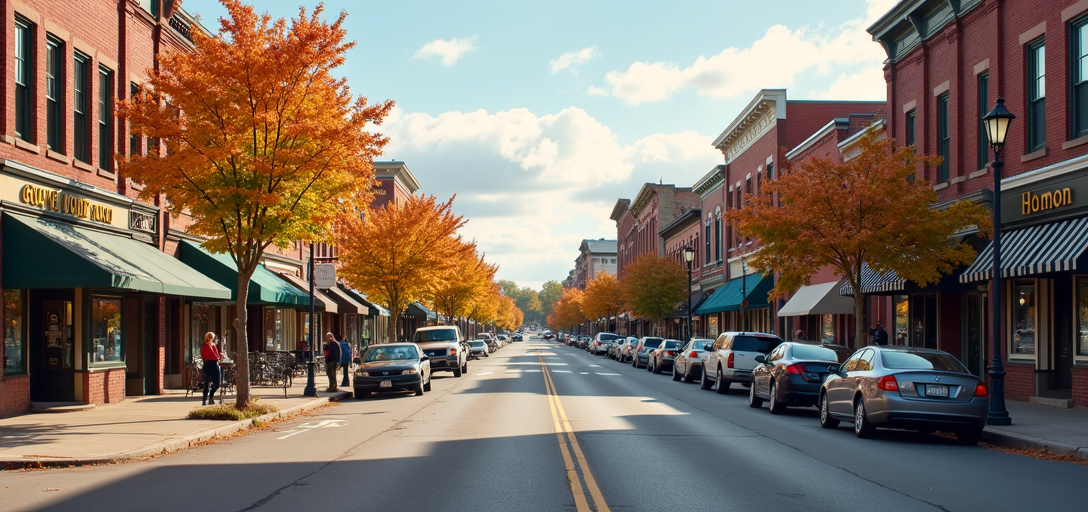
Why Is Main Street so Important in American Culture?
Main Street holds a special place in the collective American consciousness, often representing the heart of small-town life. Across the United States, Main Streets have been symbolic of the quintessential American dream, where local businesses thrive, communities gather, and history unfolds. This iconic image is especially resonant in small towns across Wisconsin, where these streets tell stories of tradition, resilience, and progress.
These streets are more than just economic centers; they serve as cultural landmarks where festivals, parades, and community events bring residents together. They are also microcosms of American economic patterns, where observers can see shifts in retail, the impact of digital transformation, and the trend towards localism.
In 2026, as communities increasingly focus on sustainable and community-driven economic models, Main Streets are being revitalized. This revitalization is often supported by local governments and development programs interested in preserving the character of these historic areas while promoting economic growth.
The Tiny Wisconsin Town With The Best Main Street
In Wisconsin, one town stands out for having the best Main Street in the state. We are talking about Mineral Point, a hidden gem that is brimming with charm and history. Nestled in the driftless region, Mineral Point is renowned not just for its beautiful and historic architecture, but also for a Main Street that offers a delightful mix of shops, dining, and culture.
This town is a prime example of how Main Streets can adapt and flourish, offering unique experiences that reflect both local heritage and modern innovation. From artisanal shops to quaint cafes and galleries, Mineral Point's Main Street has become a magnet for tourists and a beloved spot for locals.
A Walk Through History on Mineral Point's Main Street
The buildings lining Main Street date back to the early 19th century. Each façade tells a story, from the Cornish miners who originally settled the area to the modern-day artisans who call it home. The street's preservation efforts have been recognized nationally, and it's a designated site on the National Register of Historic Places.
Local organizations like the Mineral Point Historical Society play a crucial role in maintaining this rich history, offering tours and educational programs that highlight the evolution of this remarkable street and its significance in Wisconsin's cultural tapestry.
- The Opera House: Hosting performances since 1915 and still active today.
- Shake Rag Alley Center for the Arts: A creative hub offering workshops and events.
- Pendarvis: A collection of restored buildings showcasing the life of Cornish settlers.
Economic and Cultural Impact
Mineral Point's Main Street is more than just a scenic byway; it is an economic engine vital to the town's prosperity. With drawing power for tourists, the local businesses thrive, creating a vibrant economic environment that supports a mix of retail, hospitality, and innovation-focused enterprises.
As of 2026, current reports suggest that there has been a 15% increase in tourism revenue in the area, largely attributed to careful marketing and the authenticity of the Main Street experience ([source](https://www.visitswiscraft.com)). This increase highlights the growing trend of cultural tourism and community-focused development in small towns.
What Makes a Main Street Successful?
Community Involvement
A successful Main Street requires the involvement of the community. From active business associations to local festivals, community engagement fosters a welcoming and dynamic atmosphere that draws both locals and visitors. Mineral Point has excelled in nurturing such an environment, through initiatives like farmers markets and art walk events.
Strategic Development
Sustaining a thriving Main Street involves strategic planning that balances preservation with modernization. Investment in infrastructure, marketing, and business development ensures that these streets remain appealing and functional. Successful cases, including Mineral Point, often involve partnerships between local businesses and government bodies, exemplified by state funding for sidewalk improvements and facade restorations ([source](https://www.wisconsindepartmentofdevelopment.org)).
Diverse Offerings
A key element of Main Street's appeal lies in its diversity. Offering a varied range of experiences—from boutiques and eateries to cultural attractions—ensures that there is something for everyone. This principle is embraced on Mineral Point’s Main Street, where visitors can experience a blend of heritage and innovation in the offerings available.
Exploring Main Streets Beyond Wisconsin
While Mineral Point stands out in Wisconsin, it reflects a wider trend seen throughout the United States, where small-town Main Streets are gaining renewed attention. This trend is supported by the American Main Street Initiative and similar programs, which aim to rejuvenate small-town centers by preserving their unique identities while promoting economic viability.
Other notable examples include Franklin, Tennessee, and Galena, Illinois, each with its own stunning Main Street that draws thousands of visitors annually. These towns highlight how important a well-maintained and vibrant Main Street can be to the identity and economy of small communities across the country.
The Future of Main Streets
Looking ahead to the future of Main Streets in America, the focus will likely remain on balancing historic preservation with innovation and economic development. As towns like Mineral Point continue to set benchmarks for others to follow, it will be imperative to address challenges such as digital adaptation for small businesses and sustaining interest and investments in these vital community hubs.
As 2026 progresses, keeping an eye on trends in community development will provide insight into how Main Streets can continue to serve as thriving centers of culture and commerce, blending the nostalgic charm of the past with the vibrancy of modern life.