Discover the Elite: A Closer Look at the Top 7 Historically Black Colleges in the USA
Explore the rich legacy of Historically Black Colleges in the USA and discover how these institutions are shaping future leaders. Dive into the top 7 Historically Black Colleges known for their significant contributions to education and culture.
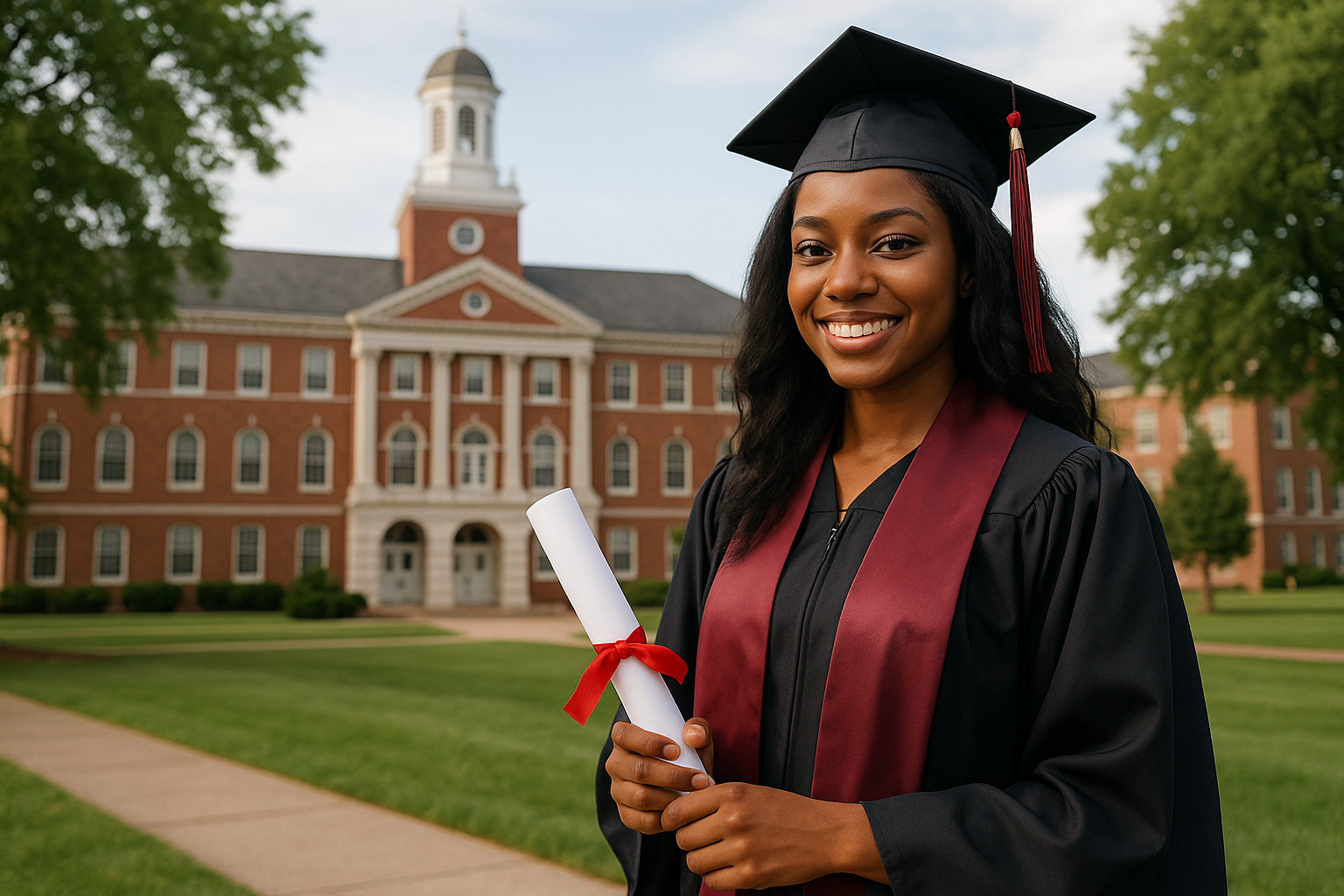
Exploring Historically Black Colleges and Universities (HBCUs) in the USA
Historically Black Colleges and Universities (HBCUs) have played a pivotal role in providing higher education opportunities to African American students in the United States. With their rich history and cultural significance, these institutions have produced some of the most influential leaders and scholars over the years. Let's dive into some key aspects of HBCUs, focusing on the top seven institutions recognized for their academic excellence and historical influence.
Understanding the Importance of HBCUs
HBCUs were established before the Civil Rights Act of 1964, during a time when African American students had limited access to mainstream education. These institutions have contributed significantly to the socio-economic progress of African American communities by providing an inclusive and culturally attuned educational environment.
Beyond academics, HBCUs foster cultural heritage, intellectual growth, and revolutionary thinking, cultivating generations of leaders who have made substantial contributions to American society.
The Top Seven HBCUs in the USA
- Howard University - Founded in 1867 in Washington, D.C., Howard University is often referred to as the "Mecca" of HBCUs. Known for its diverse programs and vibrant campus life, Howard is renowned for its professional schools in law, medicine, and business.
- Spelman College - As a leading institution for women of African descent, Spelman College, located in Atlanta, Georgia, consistently ranks among the top liberal arts colleges. It is celebrated for its commitment to empowering female students.
- Morehouse College - The only all-male HBCU, Morehouse College, also based in Atlanta, has produced notable alumni including Dr. Martin Luther King Jr. The college places a strong emphasis on leadership and ethical development.
- Xavier University of Louisiana - Known for its excellence in the sciences, Xavier University produces a high number of African American medical school graduates. Located in New Orleans, it holds a unique cultural and educational position.
- Hampton University - Situated in Hampton, Virginia, this research university excels in business, engineering, and health-related programs. It also boasts a significant investment in technological infrastructure.
- Florida A&M University - Located in Tallahassee, Florida, Florida A&M is the largest HBCU by enrollment. The university is recognized for its diversity in academic programs, ranging from agriculture to engineering.
- North Carolina A&T State University - This university in Greensboro, North Carolina, is a leader in engineering and technology programs. It also has a proud history as a center for civil rights activism.
Why Students Choose HBCUs
Many students choose HBCUs for their welcoming environment, strong focus on African American culture, and a sense of community. Institutions like Howard University and Spelman College offer a unique blend of tradition and innovation, creating a nurturing atmosphere that encourages personal and academic growth.
Recent data from the National Center for Education Statistics indicates a steady increase in enrollment at these institutions, affirming their continued relevance and appeal to today's students (source).
Academic Excellence and Opportunities
HBCUs are renowned for their academic rigor and comprehensive support systems. These institutions often offer extensive mentoring programs and networking opportunities that are integral to student success. For example, Xavier University's focus on STEM fields has consistently resulted in high graduation rates in these disciplines.
Moreover, HBCUs frequently partner with major corporations and government entities, offering students access to internships and job placements. This connection between academia and industry is crucial in preparing students for future careers.
The Cultural and Societal Impact of HBCUs
Beyond academics, HBCUs are cultural pillars within their communities. They serve as centers of cultural expression, social justice, and civic engagement, fostering an environment where students can explore their identities and effect change. This commitment to culture and community has made HBCUs central to the African American experience in the United States.
Some of these institutions have been staging grounds for significant social movements throughout history, reinforcing the importance of community activism and leadership among students and alumni alike.
The Future of HBCUs
Looking ahead, HBCUs continue to evolve, adapting to the changing educational landscape by incorporating online learning and expanding global partnerships. Many institutions are investing in new technologies and sustainability initiatives to enhance their campuses and academic offerings.
Investment in HBCUs from both public and private sectors has seen growth in recent years, as the value of diversity and inclusion becomes increasingly recognized in educational and professional domains. As we progress into the future, these institutions will remain vital to cultivating leaders who contribute to a more equitable society.
Conclusion
Historically Black Colleges and Universities have played an indispensable role in shaping the minds and futures of countless individuals. As centers of learning and cultural heritage, they continue to provide unparalleled educational experiences that honor the past while innovating for the future. For students seeking a unique blend of academia, culture, and community involvement, HBCUs stand as a beacon of excellence and opportunity.