Discover the Elite: Top 10 Colleges in Missouri Unveiled
Interested in exploring higher education options? Our list of the top 10 colleges in Missouri offers insights into the state's best institutions. Discover what makes these colleges stand out, from academic programs to campus life.
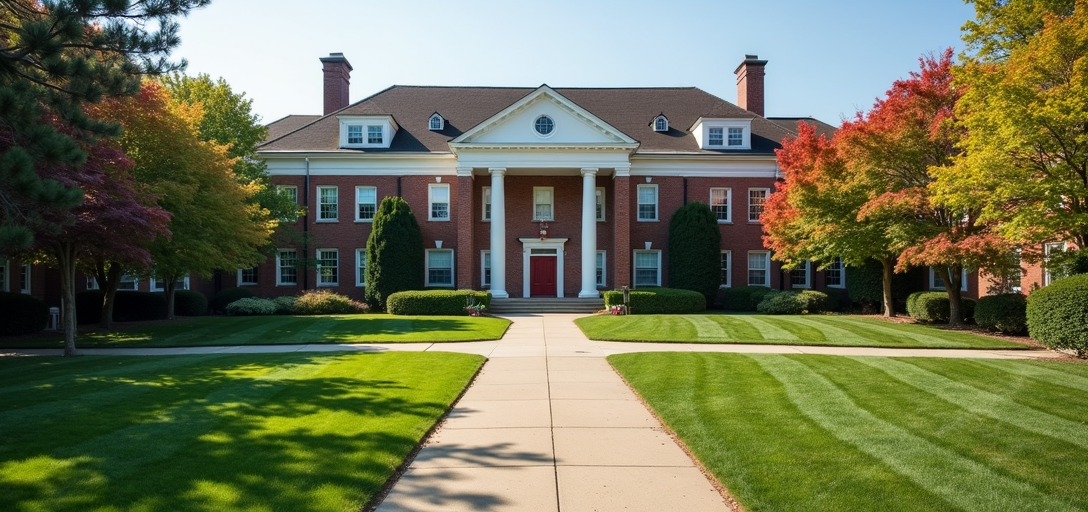
Understanding the Higher Education Landscape in Missouri
Missouri, located in the heart of the United States, is renowned for its diverse educational offerings. From large public universities to smaller private colleges, the state's higher education landscape reflects a rich tapestry of academic excellence. If you're considering post-secondary education in Missouri, understanding the top colleges in the state can help you make an informed decision. Whether you are in pursuit of business studies, liberal arts, or scientific research, Missouri has a college that might suit your aspirations.
The Criteria for Evaluating Top Colleges
Determining the top colleges in Missouri involves considering several factors, including academic reputation, graduation rates, faculty credentials, student-to-faculty ratio, and post-graduation outcomes. Additionally, the cost of attendance and availability of financial aid play a crucial role. Rankings from trusted publications like U.S. News & World Report and data from the National Center for Education Statistics are often used for evaluation. It's important to weigh these criteria based on your personal priorities and educational goals.
These Are the Top 10 Colleges in Missouri
1. Washington University in St. Louis
Washington University in St. Louis is consistently ranked among the top 20 national universities. Known for its world-class research facilities and diverse academic programs, it offers opportunities in various fields like medicine, business, and engineering. The university's Danforth Campus is a blend of classic and modern architecture, providing an inspiring learning environment.
2. University of Missouri - Columbia
The University of Missouri, also known as Mizzou, is the state's largest university. It excels in areas such as journalism, business, and health professions. Mizzou's expansive 1,262-acre campus serves as a vibrant community for nearly 30,000 students and is known for its commitment to innovation and community service.
3. Saint Louis University
As one of the nation's oldest and most prestigious Catholic universities, Saint Louis University offers a blend of Jesuit values and excellent academic programs. Its health sciences programs, particularly in nursing and healthcare law, are highly regarded. The university is committed to service learning and has robust international study opportunities.
4. Missouri University of Science and Technology
Missouri S&T, located in Rolla, is a leader in engineering and technological education. The university is noted for its rigorous STEM programs and strong emphasis on research and innovation. Its curricula are designed to foster strong analytical and critical-thinking skills necessary for tech-driven careers.
5. Truman State University
Truman State University, in Kirksville, is recognized for its strong liberal arts and sciences curriculum. It offers a personalized education with a strong emphasis on undergraduate research. Truman State is a public university with a private-school feel due to its small class sizes and student-centric approach.
6. Rockhurst University
Located in Kansas City, Rockhurst University is a Jesuit institution that merges comprehensive academic programs with a focus on community service. Its programs in business and pre-professional studies are well-respected. Rockhurst promotes leadership and was ranked highly for its return on investment in education.
7. Lindenwood University
Lindenwood University provides a wide array of undergraduate and graduate programs. Known for its vibrant campus life and emphasis on experiential learning, it offers strong programs in business administration, digital content strategy, and theatrical arts. Lindenwood's athletic programs are also highly valued.
8. Westminster College
In Fulton, Westminster College offers a liberal arts education with a historic legacy — Winston Churchill delivered his "Iron Curtain" speech here. The college emphasizes leadership and innovation, and its supportive academic environment caters to nurturing well-rounded graduates.
9. Maryville University of Saint Louis
Maryville University stands out for its focus on personalized education paths and robust online programs. It supports a variety of fields such as nursing, cybersecurity, and business. Maryville’s commitment to flexible learning and student success programs hold a critical edge in modern education.
10. University of Central Missouri
In Warrensburg, the University of Central Missouri provides a broad spectrum of undergraduate and graduate programs with a focus on career readiness. The university is known for its innovative programs in safety sciences, digital media, and aviation, having strong industry connections that benefit students after graduation.
Factors to Consider When Choosing a College in Missouri
Selecting a college is a significant decision, influenced by individual aspirations, academic interests, and financial situations.
- Location: Consider whether you prefer a bustling urban environment or a quieter rural setting.
- Programs Offered: Ensure the college offers strong programs in your field of interest with ample opportunities for research or practical experience.
- Student Support Services: Look for robust career services, counseling, and academic support to assist you throughout your college life.
- Campus Culture: Visit campuses to get a feel for the community and culture — it’s important to find a place where you feel comfortable and engaged.
Conclusion
Missouri boasts an impressive array of colleges and universities that cater to a wide range of academic and personal interests. Regardless of where you choose to study, it's essential to assess your needs and goals against what each institution offers. Visit campuses, speak to alumni, and consider using online resources like the National Center for Education Statistics or comprehensive rankings from U.S. News & World Report to aid your decision-making process.