Discover the Future of Home Entertainment with Smart TV Devices
Discover how smart TV devices can transform your home entertainment experiences with cuttingedge features like streaming, voice control, and more. These innovative devices offer a range of functionalities that enhance the way you enjoy movies, shows, and games.
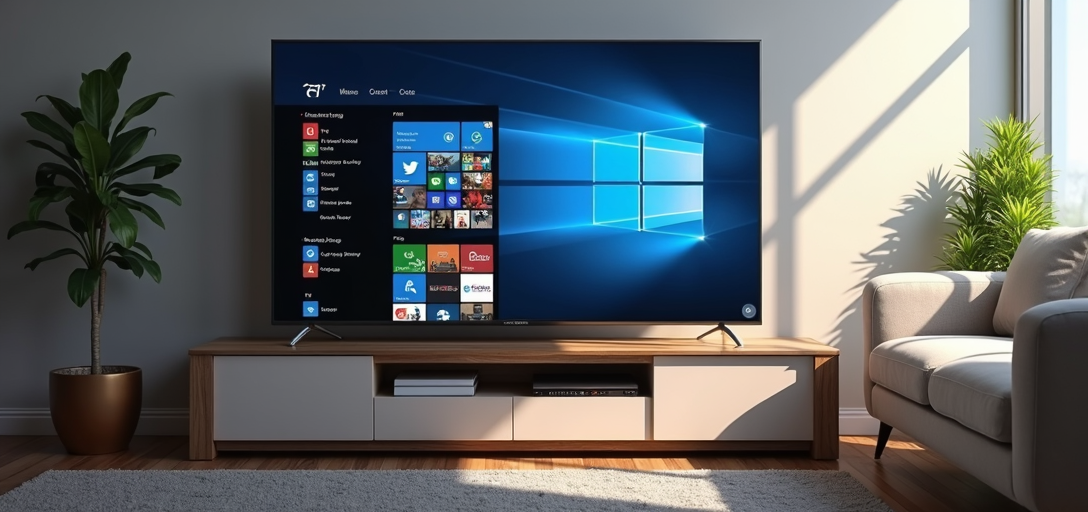
Understanding Smart TV Devices
What Are Smart TV Devices?
Smart TV devices represent a significant leap in technology, bridging the gap between traditional broadcast television and the vast connectivity of the internet. These devices provide users with the ability to access numerous streaming platforms, apps, and various forms of digital content directly from their living room televisions. Utilizing either built-in technology or external add-ons, smart TV devices offer a comprehensive home entertainment experience by integrating internet capabilities into your TV viewing.
Popular Smart TV Device Options in 2026
As of 2026, the market is full of diverse smart TV devices, each offering unique features tailored to enhance the viewing experience. Some top-rated options include:
- Roku Streaming Stick 4K+: Known for its user-friendly interface and a vast selection of channels, Roku continues to be a favorite among consumers.
- Fire TV Cube: With hands-free Alexa voice control, Amazon’s offering is perfect for a smart home environment, seamlessly integrating with other smart devices.
- Apple TV 4K (3rd Gen): Catering to Apple ecosystem users, this device provides a premium experience with seamless connectivity to iOS devices and services.
- Google Chromecast with Google TV: Emphasizing personalization, this device offers tailored recommendations and works smoothly with Google Assistant.
Benefits of Smart TV Devices
The Convenience of Streaming Platforms
Smart TV devices enable direct access to an array of streaming services like Netflix, Hulu, and Disney+, offering endless entertainment options without needing additional hardware. This convenience is especially beneficial as traditional cable subscriptions dwindle in popularity; a 2026 Pew Research survey reports that 60% of American households rely solely on streaming services for television content.
Interactivity and Integration
These devices are not just about passive viewing. Many smart TV devices integrate features like screen mirroring and smart home connectivity, allowing users to control lights, cameras, and other IoT devices directly via their TV. The growth of the Internet of Things (IoT) – projected to exceed 30 billion connected devices worldwide this year according to Statista – means smart TVs are increasingly embedded within this seamless web of technology.
Customized Viewing Experience
A significant benefit of smart TV devices is the ability to personalize your viewing. Through learning algorithms, these devices suggest content based on your viewing history, creating a tailored entertainment experience. This feature can significantly enhance user satisfaction by reducing the time spent browsing and allowing for quicker access to preferred content.
Potential Challenges and Solutions
Privacy Concerns
Despite the advantages, privacy remains a primary concern for many users. Smart TVs, with microphones and cameras, can potentially infringe on privacy. According to a 2026 Consumer Reports study, 70% of respondents expressed concerns about their data being collected without their consent. However, users can mitigate these issues by understanding and configuring privacy settings, regularly updating device software to patch vulnerabilities, and disabling features when not in use.
Technical Setup and Compatibility
Another challenge lies in setting up the device and ensuring compatibility with existing systems. While most products are designed for simplicity, occasional connectivity issues can arise. Reference to manuals, professional installation services, or customer support can help users overcome hurdles associated with technical setups. Many companies are now offering enhanced support services due to increasing technological complexity.
Choosing the Right Smart TV Device
Assessing User Needs
Choosing the right device depends heavily on personal needs and existing gadgets. For those entrenched within a specific tech ecosystem (e.g., Apple or Google), choosing a corresponding device might offer more synergy and ease of use. Meanwhile, those seeking variety should consider platforms with broad content access like Roku or Amazon.
Evaluating Budget Constraints
It is important to balance desired features with budgetary constraints. Smart TV devices range from $30 to over $200. Generally, higher-priced models offer more features such as better resolution support and voice control capabilities. Assessing which conveniences are essential can help in selecting a cost-effective product that still meets entertainment needs.
Future-Proofing Considerations
Consumers should consider future-proofing their purchase to ensure longevity. Devices that support the latest technologies, such as 4K streaming and AI learning capabilities, might have a longer life span than their more basic counterparts. In addition, keeping abreast of software updates and hardware compatibility can extend a device's utility over time.