Discover the Future: Top 10 Smartest Class C RVs to Watch in 2026
Looking for the smartest Class C RVs of 2026? Discover an intriguing lineup that combines innovation and practicality. This selection showcases Class C RVs with topnotch features designed to enhance your travel experience.
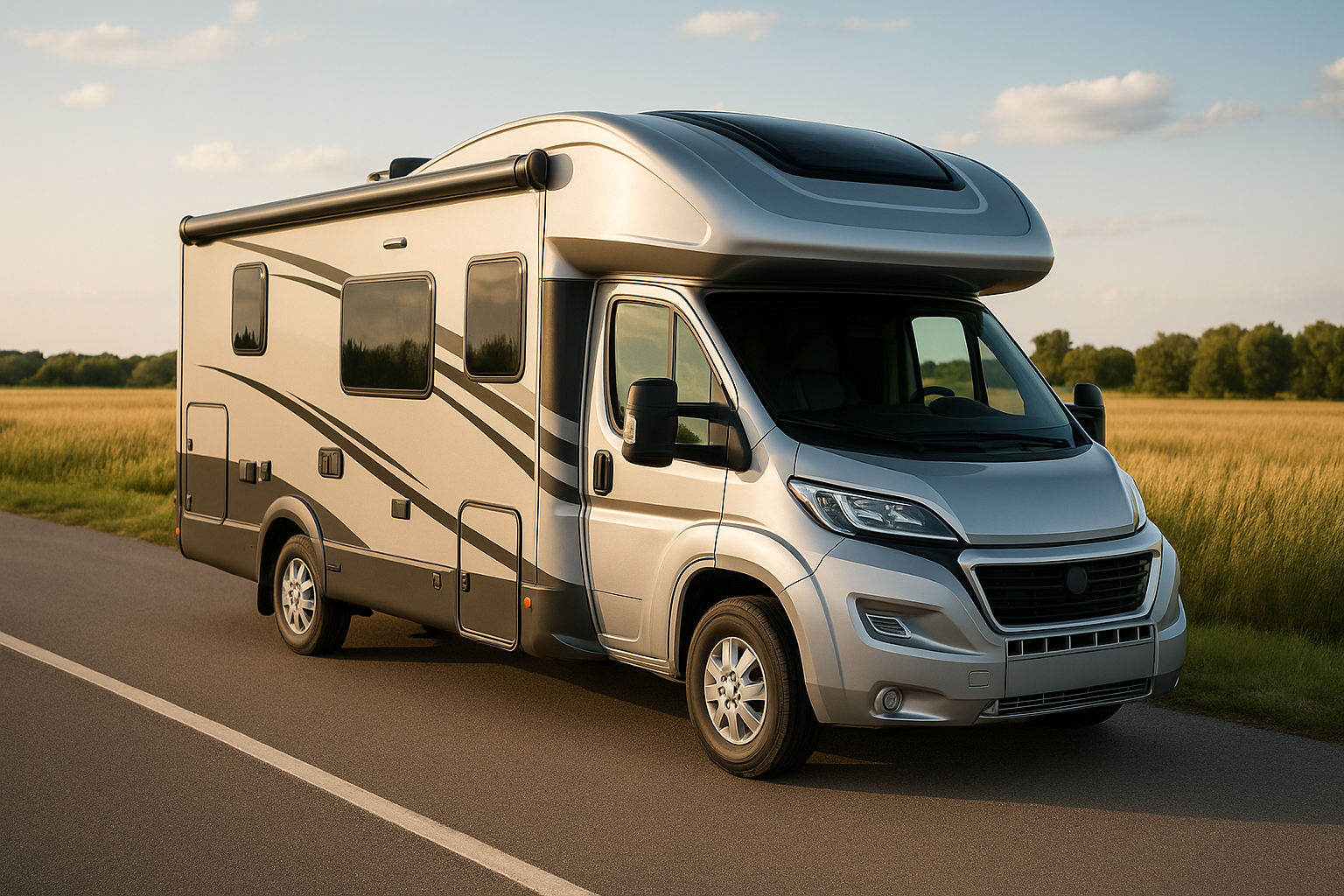
Understanding Class C RVs: An Introduction
Class C RVs, often referred to as "mini-motorhomes," are mid-sized recreational vehicles built on a truck or van chassis. They are characterized by their over-cab sleeping area, making them popular for families or groups seeking comfort on the road without the bulk of larger RVs. As we look towards the future, especially in 2026, the focus has shifted towards smarter and more efficient designs integrating cutting-edge technology.
These vehicles blend the convenience of a self-contained unit with the flexibility of more compact sizes, allowing them to navigate both highways and smaller country lanes with ease.
Key Features of the Smartest Class C RVs in 2026
The RV industry has seen significant innovation, particularly in smart technology that enhances both driving performance and on-board living. The following features are setting the top 10 Class C RVs apart this year:
Smart Connectivity
Connectivity is a hallmark of the modern RV, driven largely by customer demand for stay-connected capabilities. The top Class C RVs utilize integrated systems that connect mobile devices with vehicle functions and entertainment.
- Wi-Fi boosters for enhanced signal strength.
- Custom apps for monitoring vehicle diagnostics remotely.
- Smart home integration allowing control of lighting, temperature, and security from your smartphone.
Such features cater to tech-savvy adventurers who value staying connected no matter where the road leads.
Eco-Friendly Innovations
Amidst growing environmental concerns, Class C RVs in 2026 are designed with sustainability in mind. This includes both eco-friendly power sources and construction materials.
- Solar power systems that sustain electrical appliances without reliance on external power.
- Light-weight, recycled materials that reduce the carbon footprint.
- Hybrid engines that improve fuel efficiency and reduce emissions.
These enhancements not only adhere to environmental standards but also allow owners to explore with a smaller ecological impact.
Advanced Safety Features
Safety, as always, remains paramount. The latest Class C RVs come with a suite of high-tech safety features to assist drivers and ensure peace of mind on the road.
- Advanced driver-assistance systems (ADAS) such as adaptive cruise control and lane keeping assist.
- Collision avoidance sensors and 360-degree cameras to prevent accidents.
- Integrated GPS systems that provide real-time traffic and weather updates.
These technologies aim to reduce accidents and make driving long distances safer and more enjoyable.
Trends Influencing Class C RV Design in 2026
Several key trends have influenced the design and functionality of Class C RVs this year. Understanding these trends provides insight into the priorities of manufacturers and consumers alike.
Remote Work Capabilities
The rise of remote work continues to shape RV design. Many of the latest models come equipped with built-in workstations and connectivity features.
- Dedicated office spaces that are ergonomic and versatile.
- High-speed internet access that supports streaming and video calls.
- Secure storage for computers and peripherals.
RVing has become a popular choice for digital nomads who want to enjoy nature while maintaining productivity.
Customizable Interior Designs
Customizability is another growing trend, as consumers seek RVs that cater to personal style and living preferences.
- Modular furniture systems that adapt to various needs and preferences.
- Interiors made from eco-friendly, sustainable materials.
- High-end finishes that enhance comfort and aesthetics.
These options allow RV owners to personalize their space, making it uniquely their own while ensuring functionality.
Challenges and Considerations
Despite advances, there are challenges faced by Class C RV owners. These challenges can often be mitigated by understanding potential issues and taking preventive measures.
Maintenance and Upkeep
Like any complex vehicle, RVs require routine maintenance. Smart technology can assist but also complicate repairs, as more specialized parts or expertise may be needed for fixing high-tech systems.
- Proactive maintenance schedules to keep onboard systems functioning optimally.
- Access to specialized service centers or mobile repair services.
Cost Considerations
The integration of advanced tech features has led to an increase in the cost of purchase and ownership.
- Budgeting for upfront costs versus long-term savings from more efficient operations.
- Considering financing options or renting before purchase.
Despite the costs, many find the investment worthwhile for the lifestyle and convenience benefits.
Conclusion
The evolution of Class C RVs in 2026 reflects a broader trend towards smart, sustainable, and personalized travel. Understanding the features and trends driving this evolution helps prospective buyers make informed decisions, ensuring their investment aligns with their travel aspirations and practical needs.
For those interested in learning more, resources like the RV Industry Association (RVIA) and the Good Sam Club offer a wealth of information on choosing the right RV, maintenance tips, and more.