Discover the Garden Design Trends Homeowners Are Embracing This Year
Discover the latest garden design trends homeowners love to incorporate for a fresh outdoor space. Whether you're updating your backyard or starting from scratch, this guide explores popular features and styles that resonate today.
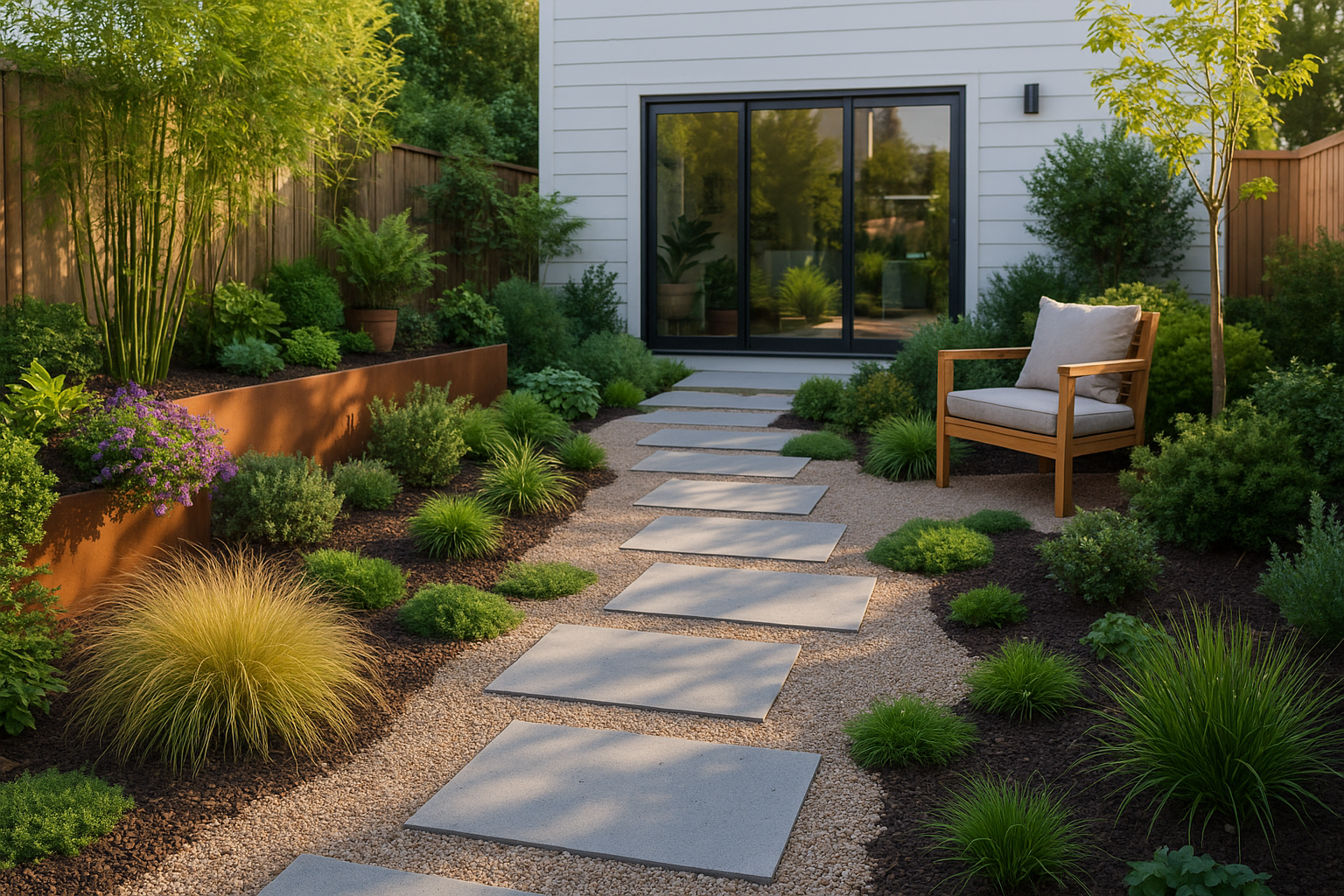
Understanding the Latest Garden Design Trends
In 2026, homeowners are increasingly embracing innovative and sustainable garden design trends. These trends not only enhance the visual appeal of outdoor spaces but also promote ecological balance, which is a growing concern among environmentally conscious individuals. With an increasing number of people spending more time at home, the demand for functional and aesthetically pleasing garden designs is on the rise.
Whether you're a seasoned gardener or a newcomer to the world of horticulture, understanding these trends can help you transform your garden into a modern sanctuary. Let's dig into some of the most loved garden design trends that homeowners are raving about this year.
Sustainable Landscapes
Sustainability is at the forefront of garden design in 2026, with many homeowners focusing on creating eco-friendly landscapes. This trend is driven by a heightened awareness of climate change and a desire to live in harmony with the environment.
- Native Plantings: Native plants are increasingly popular as they require less water, are more pest-resistant, and provide essential habitat for local wildlife. Choosing local flora not only reduces the need for extensive maintenance but also supports biodiversity. National Wildlife Federation offers valuable resources on selecting native plants for your area.
- Xeriscaping: This water-conserving landscape design emphasizes drought-resistant plants, particularly in arid regions. With global water shortages becoming a pressing issue, xeriscaping offers a stylish and sustainable solution.
- Permeable Hardscapes: Materials like gravel, pavers, and permeable concrete that allow water to seep through minimize runoff and replenish groundwater supplies.
Edible Gardens
The edible garden trend continues to gain momentum as more people appreciate the benefits of self-sufficiency and organic produce. This year, the focus is on integrating edibles into traditional garden designs seamlessly.
- Vertical Gardens: Utilizing walls and vertical structures to grow herbs and vegetables maximizes space, especially in urban environments where outdoor area is limited.
- Companion Planting: This method involves pairing plants that can benefit each other, such as growing basil near tomatoes to enhance flavor and deter certain pests.
- Pollinator-Friendly Plantings: Growing flowers and plants that attract bees and butterflies not only supports the ecosystem but also enhances crop yields. Pollinator Partnership provides guidelines and plant lists tailored to different regions.
Tech-Enhanced Gardens
As technology advances, smart gardens are becoming increasingly sophisticated. Homeowners are now leveraging technology to simplify garden maintenance and enhance their green spaces.
- Automated Irrigation Systems: Smart irrigation systems ensure gardens receive the optimal amount of water by using sensors that track soil moisture levels and weather patterns.
- Garden Monitoring Apps: These apps allow users to monitor plant health, track growth, and receive reminders for tasks such as fertilizing and pruning. Some advanced apps also offer plant identification features based on photographs.
- Solar-Powered Lights: Environmentally friendly and cost-effective, these lights reduce energy consumption while adding ambiance to outdoor areas.
Naturalistic Designs
Naturalistic gardens emphasize flowing, organic shapes and plantings that mimic the natural landscape. This approach fosters a sense of peace and connection with nature, which is increasingly valued amidst urbanization.
- Meandering Paths: Curved walkways crafted from natural materials like stone or mulch provide a sense of exploration and adventure within the garden.
- Wildflower Meadows: Planting wildflower seeds creates vibrant, low-maintenance landscapes teeming with color and pollinators.
- Natural Water Features: Ponds and streams constructed to resemble natural bodies of water support local fauna and enhance the aesthetic of the garden environment.
The Benefits of Updating Your Garden Design
Updating your garden design to reflect current trends comes with a plethora of benefits beyond mere aesthetics. Here are a few key advantages:
- Increased Property Value: A well-designed garden can significantly boost your property's value by enhancing curb appeal and creating additional livable space.
- Personal Well-being: Spending time in a thoughtfully curated garden can reduce stress and promote mental and physical health.
- Environmental Impact: Sustainable gardens contribute to biodiversity, reduced pollution, and resource conservation, fostering a healthier planet for future generations.
As you consider incorporating these trends into your own outdoor oasis, remember that a successful garden design should reflect your personal tastes and lifestyle needs. By staying informed about the latest developments and implementing them thoughtfully, you can create a unique space that brings joy, utility, and ecological benefits.