Discover the Impact of Sperm Donation: A Guide to Donating with Trust and Care
Discover the world of sperm donation centers, where individuals can contribute to fertility treatments in a meaningful way. These centers provide a secure environment for donors while ensuring recipients find viable options tailored to their needs.
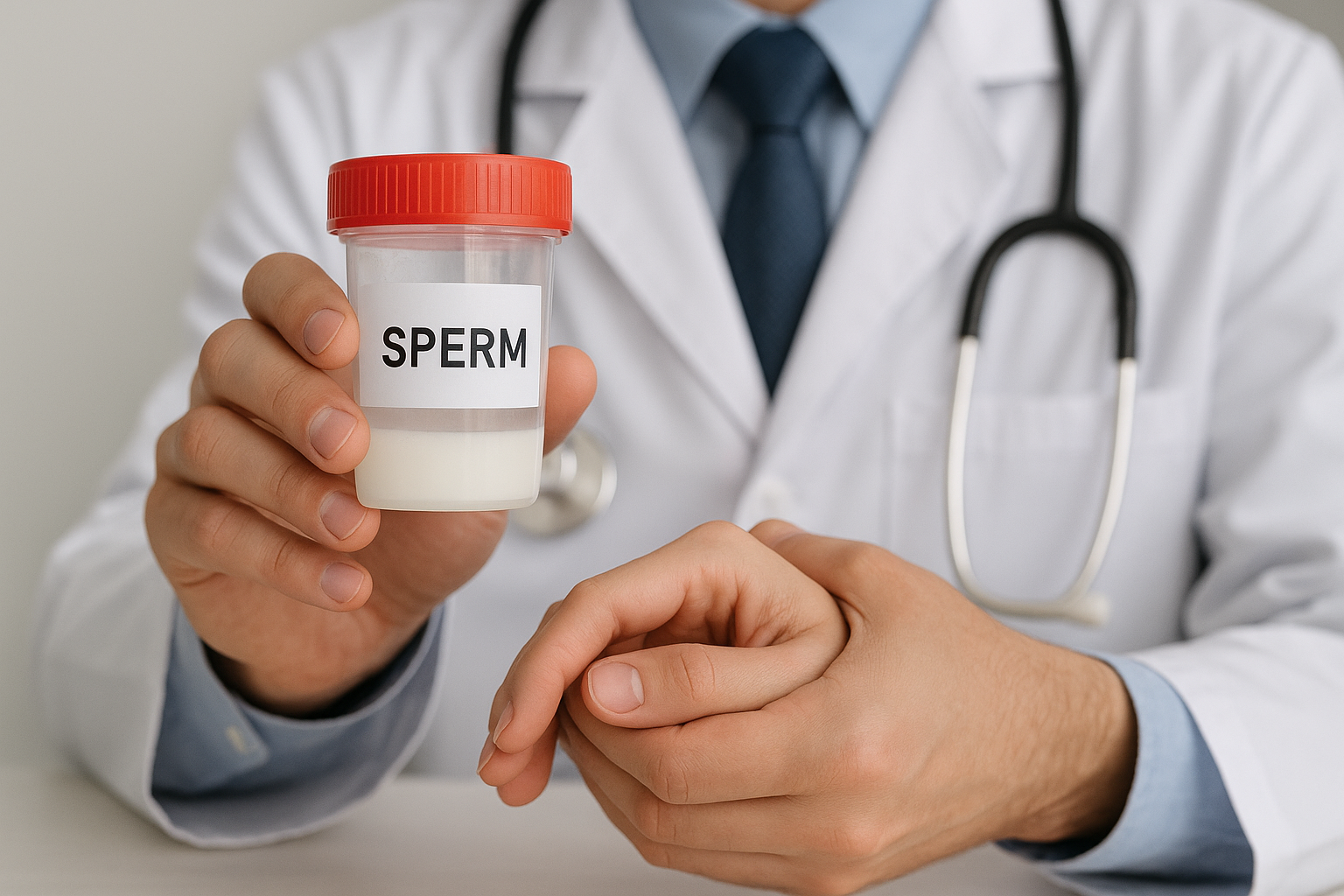
Understanding Sperm Donation: An Overview
Sperm donation has emerged as a valuable option for individuals and couples looking to conceive but facing fertility challenges. Whether due to male infertility, single motherhood, or same-sex parenting desires, sperm donation serves as a critical pathway to parenthood for many. With advancements in reproductive technologies and increasing social acceptance, sperm donation centers are showing promising trends globally, inviting dialogue around ethical, legal, and personal considerations. This article delves into these aspects, providing a comprehensive understanding for potential donors and recipients alike.
What Is a Sperm Donation Center?
Sperm donation centers, often synonymous with fertility clinics, specialize in collecting and storing sperm samples from donors. These donations can then be utilized by individuals or couples experiencing difficulties conceiving naturally. These centers adhere to stringent medical standards and ethical guidelines to ensure donor anonymity and recipient safety while facilitating successful pregnancies.
The Process of Sperm Donation
Becoming a Sperm Donor: Eligibility and Procedures
Not every individual can become a sperm donor. Centers typically have strict criteria to ensure the quality and viability of donor sperm. Key eligibility requirements include:
- Age: Generally between 18 and 39 years.
- Health: Donors should be in good health, with no significant genetic predispositions.
- Lifestyle: Non-smokers with a moderate lifestyle are often preferred.
The sperm donation process involves a series of steps, beginning with an initial application and health assessment. Once deemed eligible, the donor provides a sperm sample following a period of abstinence, typically 2-5 days. These samples then undergo rigorous analysis for sperm count, motility, and morphology, ensuring only high-quality samples are retained.
Sperm Banking and Quarantine
After donation, sperm samples are cryogenically frozen and quarantined for a period, which can range up to six months. This quarantine period allows for repeated testing for infectious diseases, ensuring maximum safety for recipients. The samples are only made available for use after all health and quality checks are passed.
For Recipient Families: How Sperm Donation Works
Choosing the Right Donor
Recipient families face the task of selecting a suitable donor, which involves reviewing profiles that cover physical characteristics, educational background, and, at times, personal interests or philosophies. Recipient privacy remains a priority; hence, many centers provide anonymous donor options.
Legal and Ethical Considerations
Legal frameworks vary globally and often dictate the anonymity between donors and recipients, potential future contact arrangements, and rights over the child conceived through donation. Ethical discussions often revolve around donor anonymity, the number of offspring from a single donor, and the right to donor-identifying information upon reaching adulthood.
Impact and Benefits of Sperm Donation
The societal and personal impact of sperm donation is vast. It provides a solution for infertility, empowers single parents and same-sex couples to start a family, and contributes to genetic diversity. Sperm donation is often lauded for its potential to alleviate emotional burdens associated with infertility.
In 2026, data from the Society for Assisted Reproductive Technology indicates a steady rise in donor inseminations, reflecting an increasing acceptance and reliance on this fertility option (SART). Likewise, a study by the Human Fertilisation and Embryology Authority reports a significant increase in UK clinics, with a record number of sperm donors registered (HFEA).
Challenges Faced by Donors and Recipients
Despite its benefits, sperm donation is not devoid of challenges. Donors may grapple with the emotional implications of having biological offspring they might never meet. Conversely, recipients may face dilemmas concerning disclosure of the child's conception method or future inquiries about biological origins.
Conclusion: Navigating the Future of Sperm Donation
As societal norms evolve and reproductive technologies advance, sperm donation continues to serve as a beacon of hope for many aspiring parents. More inclusive family structures and progressive legislative measures are paving the way for increased acceptance and utilization of sperm donation services worldwide.
For those considering engaging with sperm donation centers, whether as potential donors or recipients, comprehending the multifaceted aspects of the process is crucial. By understanding eligibility criteria, ethical implications, and logistical frameworks, individuals can make more informed decisions in their pursuit of parenthood. As such, ongoing research, transparent practices, and supportive policies will ensure sperm donation remains a viable and respected avenue for family building well into the future.