Discover the Solar Panel Rebates Anticipated for 2026
Discover exciting opportunities to save with solar panel rebates available in 2026. As you explore transitioning to solar energy, understanding the available rebates can be beneficial.
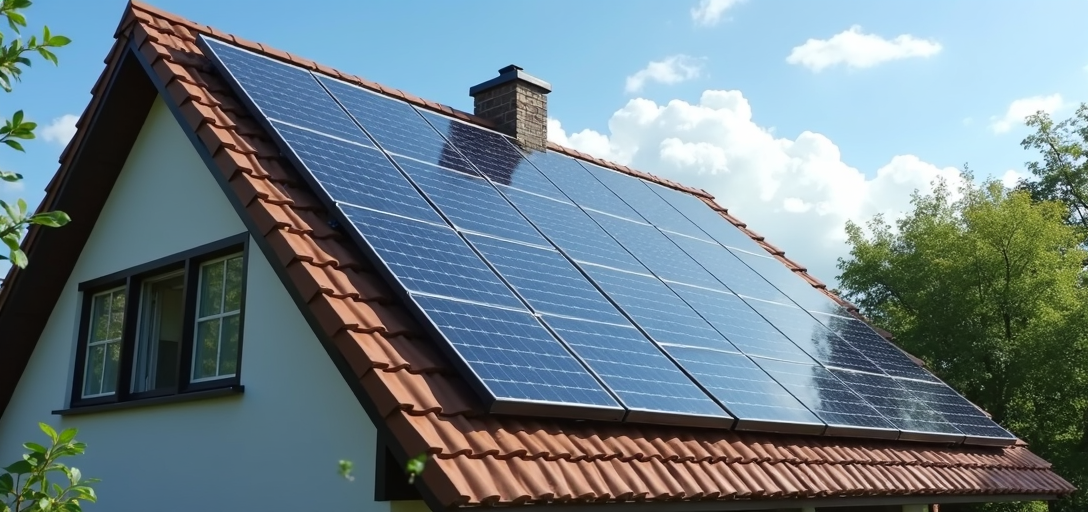
Understanding Solar Panel Rebates in Australia for 2026
With the increasing focus on renewable energy and the pressing need to reduce carbon footprints, solar panel installations have gained tremendous popularity in Australia. For 2026, knowing the available rebates is crucial for homeowners and businesses looking to invest in solar technology. This article aims to provide comprehensive insights into the solar panel rebates available in Australia this year, addressing the key questions you might have.
What Are Solar Panel Rebates?
Solar panel rebates are financial incentives offered by the government or local councils to make the installation of solar systems more affordable. These rebates help reduce the initial cost, making it easier for homeowners and businesses to switch to sustainable energy solutions.
Types of Solar Panel Rebates Available in 2026
Small-scale Technology Certificates (STCs)
STCs are a primary form of financial rebate for small-scale solar installations in Australia. When you install an eligible solar panel system, you earn a number of STCs based on the expected generation of renewable electricity by your system until 2030.
- STCs are tradable and their value can fluctuate depending on market conditions.
- They are usually deducted from the upfront cost by the solar installer.
For more details about STCs, you can visit the [Clean Energy Regulator](https://www.cleanenergyregulator.gov.au/).
State-Based Rebates
In addition to federal incentives, individual states in Australia offer their own rebates.
- Victoria: The Victorian Solar Homes Program continues to provide eligible homeowners a rebate of up to $1,400 for solar panel systems.
- South Australia: Offers up to $3,000 for battery storage systems, supporting solar users to save more energy.
- New South Wales: Provides interest-free loans instead of direct rebates but effectively reduces the initial financial burden.
Local Council Rebates
Many local councils collaborate with solar installers for community-wide solar programs, offering additional rebates or incentives specific to certain regions. Check with your local council for the most localized offers available.
How to Qualify for Solar Panel Rebates?
Eligibility criteria for solar rebates can vary based on the type of rebate and the issuing authority. General eligibility requirements often include:
- Owning the property or having the authority to install a solar system on it.
- Meeting specific system size and installation criteria.
- Utilizing a Clean Energy Council accredited installer and solar panels.
- For some state-based rebates, income tests or residential status may apply.
Steps to Apply for Solar Panel Rebates
Assess Your Solar Needs
Before applying for any rebate, determine the size and type of system you'll need. A professional solar assessment can help in deciding the optimal configuration suited to your energy consumption.
Find a Qualified Installer
Engage a Clean Energy Council accredited installer who can not only provide quality service but also assist in the rebate application process.
Complete the Application
Your installer can usually handle the application for STCs, but you'll need to apply directly for most state-based rebates. Ensure all required documentation and information is complete to avoid processing delays.
Frequently Asked Questions (FAQs) on Solar Rebates
Can I Combine Federal and State Rebates?
Yes, it is often possible to combine STCs with state-specific rebates, offering substantial financial benefits. However, ensure your system and installation meet the criteria set by both the federal and state bodies.
Do Rebates Apply to Solar Battery Installations?
Yes, rebates for solar battery installations are available, notably in South Australia. Other states may offer similar incentives reflective of their energy policies and sustainability goals.
How Do Market Fluctuations Affect STC Value?
The value of STCs can change based on supply and demand in the market. It’s advisable to consult with your installer for the current STC price, which can impact the overall savings from your installation.
What if I Already Have Solar Panels Installed?
If you're looking to upgrade or add storage solutions, you might still qualify for rebates on the new additions. Check with both federal and state authorities for eligibility requirements.
Conclusion
As solar technology continues to evolve, the commitment of the Australian government to promote sustainable practices remains strong, as evidenced by the rebates available in 2026. By leveraging these incentives, homeowners and businesses not only contribute to environmental conservation but also benefit economically through reduced energy bills and potentially increased property values. For accurate and up-to-date information, always refer to official government resources or trusted solar industry advisors.