Discover the Top 10 Electric Cars Loved by U.S. Drivers
Discover the bestrated electric cars in the U.S. and find out why they are capturing the hearts of ecoconscious drivers. From impressive range to advanced tech features, these electric cars are leading the charge toward a sustainable future.
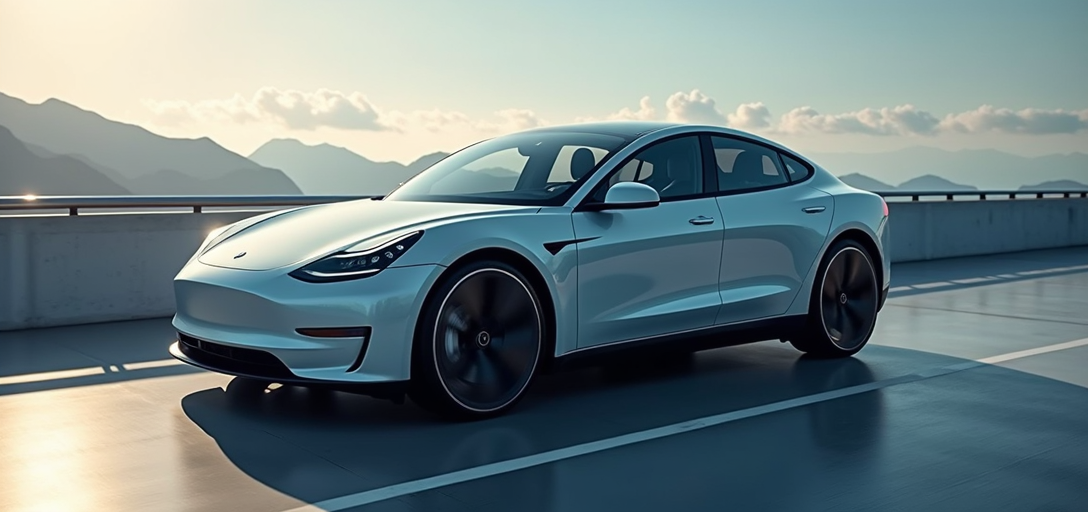
Understanding the Rise of Electric Cars in the U.S.
Electric vehicles (EVs) have been gaining significant traction in the U.S. over recent years. With an increasing emphasis on sustainable transportation, reducing carbon footprints, and technological advancements, EVs offer a compelling alternative to traditional gasoline-powered vehicles. But what is driving this shift towards electric cars, and what does it mean for you as a consumer?
The Environmental Impact
Electric cars produce fewer greenhouse gases and air pollutants than petrol or diesel cars. This aspect is critical as the U.S. strives to meet environmental targets and reduce its contribution to climate change. According to the U.S. Environmental Protection Agency (EPA), transportation is the largest source of greenhouse gas emissions, and EVs present a viable solution to mitigate that.
Economic Factors
The cost of owning and operating electric vehicles has also become more affordable. Due to advancements in battery technology, the price of electric cars has decreased significantly. Moreover, there are numerous state and federal tax incentives for purchasing EVs, as highlighted by the U.S. Department of Energy, making them an economically attractive option.
Technological Advancements
Technological innovations in battery lifespan, faster charging times, and increased vehicle range have made electric cars not only comparable but sometimes superior to conventional vehicles. Companies are investing heavily in R&D, projecting the promise of EVs to outshine fossil fuel-based cars in the near future.
Top 10 Best-Rated Electric Cars in the U.S. for 2026
For those interested in switching to an electric vehicle, here is a list of the top 10 best-rated electric cars in the U.S. as of 2026. These ratings are based on consumer reports, expert reviews, and the latest data from automotive research platforms.
- Tesla Model S: Known for its performance, the Model S boasts a range of over 400 miles per charge and exceptional acceleration.
- Ford Mustang Mach-E: An innovative styling combined with SUV practicality, offering a strong range and advanced features.
- Chevrolet Bolt EV: Praised for its affordability and long range, the Bolt EV makes electric driving accessible.
- Nissan Leaf: One of the pioneers in electric vehicles, the Leaf continues to deliver efficiency and reliability.
- Tesla Model 3: A compact sedan that brings advanced technology and range at a more approachable price point.
- Rivian R1T: A newcomer in the electric truck segment, offering impressive off-road capabilities and a luxurious interior.
- Hyundai Ioniq 5: Noted for its futuristic design and rapid charging capability, making it an exciting urban companion.
- Volkswagen ID.4: A versatile crossover SUV that combines comfort, space, and an impressive all-electric range.
- Kia EV6: Offers remarkable driving dynamics and an advanced infotainment system at a competitive price.
- Porsche Taycan: Delivers the thrill of a sports car with the environmental benefits of an electric vehicle.
Key Considerations When Buying an Electric Car
Battery Range
One of the most crucial aspects to consider is the battery range, which determines how far you can travel on a single charge. While most electric cars offer a range suitable for daily commutes, longer trips may require planning for charging stops. For example, Tesla’s widespread Supercharger network provides a convenient solution for long-distance travel.
Charging Infrastructure
Availability of charging stations can greatly influence your decision. The U.S. is actively expanding its network of public and private charging facilities. Apps and platforms like PlugShare are valuable resources for locating nearby charging stations and planning journeys.
Cost and Incentives
The initial cost of electric vehicles can be offset by state and federal incentives. For example, the federal government offers a tax credit up to $7,500 for eligible vehicles (U.S. Department of Energy). Additionally, some states offer their own incentives, ranging from tax credits to rebates.
Maintenance and Longevity
Electric vehicles often require less maintenance than traditional vehicles because they have fewer moving parts. The longevity of the battery and the warranty provided by manufacturers are vital considerations to ensure you are making a wise investment.
The Future of Electric Cars in the U.S.
The future looks bright for electric vehicles in the U.S. With major automakers pledging to electrify their fleets and technological advancements making EVs more accessible, the shift towards sustainable transportation is inevitable. As consumer awareness grows and infrastructure improves, the transition from gasoline to electricity promises not only to transform the automotive industry but also to contribute to a healthier planet.
Further Reading and Resources
For additional information on electric vehicles and to stay updated with the latest models and technological developments, you can consult sources such as the U.S. Department of Energy, EPA Green Vehicles, and Consumer Reports Electric Vehicle Guide.