Discover the Top 10 UK Colleges Offering Flexibility in Admission Criteria
Explore the top 10 colleges in the UK known for their flexible entry requirements. These institutions offer prospective students a more adaptable approach to admissions, potentially accommodating a diverse range of applicants.
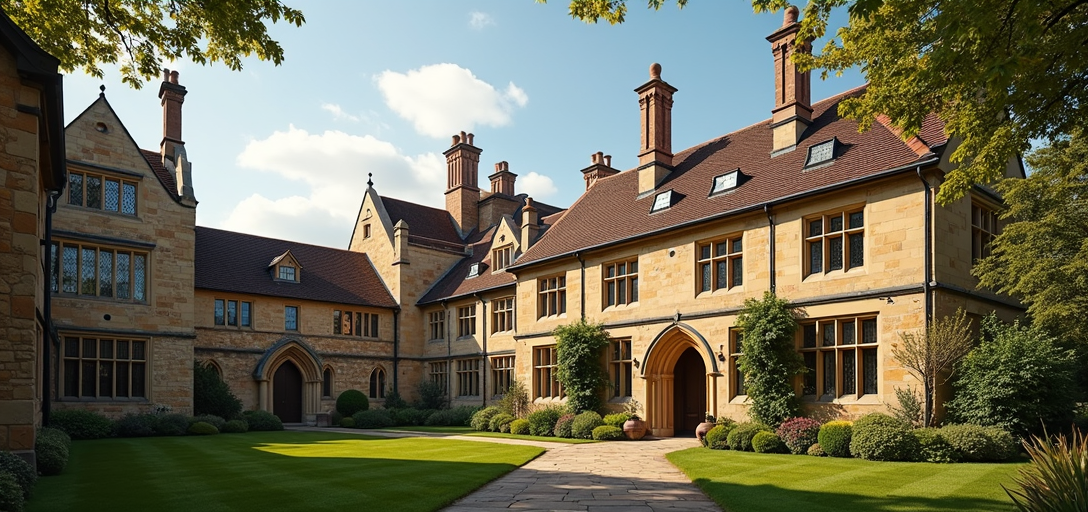
Understanding Flexible Entry Requirements
Choosing the right college is a pivotal step in one's academic journey, particularly in the United Kingdom where educational standards are incredibly high. However, many students might feel discouraged by the stringent entry requirements of some prestigious institutions. Enter flexible entry requirements—an approach that many top UK colleges have adopted to welcome a diverse array of talented students from various backgrounds. This approach benefits those who may not meet traditional criteria but possess potential manifested in different forms.
What Are Flexible Entry Requirements?
Flexible entry requirements refer to admission criteria that are less rigid and accommodate a broader spectrum of achievements and experiences. Instead of solely focusing on standard academic qualifications like A-levels, these colleges consider other factors such as personal interviews, portfolios, relevant experiences, or non-traditional qualifications. This holistic approach encourages inclusivity and recognizes the unique talents that every candidate can offer.
Top 10 UK Colleges with Flexible Entry Requirements
Let's dive into the specifics of the top 10 colleges in the UK that are known for their flexible entry requirements. These institutions have embraced the essence of inclusivity, thereby offering opportunities to a wider demographic of aspiring students.
1. University of Leeds
Ranked among the top universities globally, the University of Leeds has flexible entry routes that consider work experience and vocational qualifications alongside academic achievements. Their approach is particularly appealing to mature students and those returning to education after a significant break.
2. University of Bristol
The University of Bristol offers contextual offers to students from disadvantaged backgrounds. These offers are adjusted to recognize potential that isn't adequately captured through traditional academic metrics.
3. Manchester Metropolitan University
Manchester Metropolitan University provides flexible admissions for students participating in foundation year programs or those who possess alternative qualifications such as BTECs.
4. University of Liverpool
This university considers a wide range of qualifications and experiences, valuing skills gained through professional work or life experiences. Their adaptable entry requirements help students transition smoothly into higher education.
5. University of East Anglia (UEA)
UEA supports students through pathways like the International Foundation and has an Access to Higher Education Diploma for candidates with non-conventional backgrounds.
6. Sheffield Hallam University
Sheffield Hallam's inclusive approach extends to accepting a variety of pre-university courses. They are particularly supportive of candidates with vocational and technical qualifications.
7. University of Sussex
At the University of Sussex, the admissions process is designed to assess broader criteria such as applicant interviews, personal statements, and previous work experiences.
8. University of Nottingham
The University of Nottingham offers alternative pathways into degree programs, including their popular foundation year, which caters to students lacking standard qualifications but who can demonstrate potential.
9. University of Surrey
The University of Surrey values a combination of academic prowess and practical experience, offering flexible entry routes through bridging courses and preparatory programs.
10. Middlesex University London
Middlesex University is lauded for its acceptance of transfer credits and prior experiential learning, allowing students who have gained knowledge outside typical education settings to pursue degrees.
Benefits of Flexible Entry Requirements
- Accessibility: They open doors for motivated students who may not have had access to traditional qualifications.
- Diversity: By acknowledging a range of experiences and skills, colleges foster a diverse student body, creating a richer learning environment.
- Equity: Tailored offers to candidates from underrepresented or disadvantaged backgrounds help level the playing field.
- Innovation: Institutions benefit from fresh perspectives and varied insights, furthering creativity and innovation within their student community.
How to Apply with Flexible Entry Requirements
For prospective students interested in applying to one of these institutions, here are some practical steps:
- Research: Thoroughly investigate each institution's specific entry requirements and flexible options. Their websites and admissions offices are valuable resources.
- Prepare a Strong Application: Beyond academic records, emphasize personal achievements, relevant life experiences, and any vocational qualifications.
- Personal Statement: Craft a compelling narrative that highlights your unique journey, potential, and dedication to your intended field of study.
- Seek Guidance: Reach out to academic advisors or career counselors who can provide insights and refine your application strategy.
Conclusion
Flexible entry requirements democratize education, making it more accessible to students from various backgrounds and with different experiences. The top UK colleges embracing this approach are not only recognizing the value of diversity but are also setting a precedent for a more inclusive, modern educational landscape. By emphasizing individual potential over rigid academic standards, these institutions are empowering a new generation of learners to achieve their academic dreams.
For further information or to learn more about flexible entry policies, prospective students can visit resources like UCAS or directly contact the admission offices of the mentioned universities.