Discover the Top 5 Classic Cars Every Collector Dreams Of Owning
Explore the timeless allure and enduring value of classic cars that collectors still desire today. This article dives into the top 5 classic cars that continue to capture the hearts of enthusiasts and investors alike.
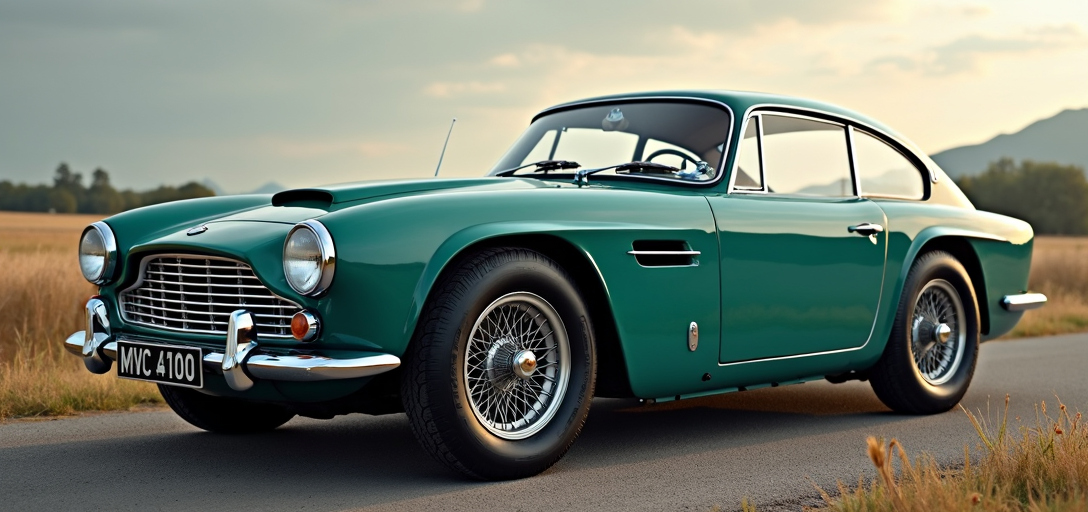
These Are the Top 5 Classic Cars Collectors Still Want
Classic cars continue to attract collectors across the United States. From iconic American muscle cars to European sports cars, these vehicles stand out for their distinctive styling, engineering, racing heritage, and place in automotive history.
In 2026, collectors are still interested in classic models with documented histories, original components, desirable engine options, and well-preserved interiors. Here are five classic cars worth knowing about, along with the features that make them collectible.
1. Ford Mustang (1965–1969)
The first-generation Ford Mustang remains one of America's best-known classic cars. Introduced in 1964, it helped popularize the pony-car category with its long hood, short rear deck, sporty appearance, and wide choice of engines.
Collectors look for early Mustangs in original condition, especially fastback models and performance versions such as the Shelby GT350. V8-powered cars and examples with documented factory options can command higher prices than ordinary models.
Why collectors want it:
- Recognizable American design
- A wide range of engines and body styles
- Strong enthusiast community and parts availability
- Special editions with significant historical appeal
Price guide: Values vary substantially by model and condition. Hagerty's October 2026 guide places a standard 1965 Mustang convertible with a six-cylinder engine in good condition at approximately $16,200–$21,000. Rare Shelby models can be worth considerably more.
Source: Hagerty – 1965 Ford Mustang values
2. Chevrolet Corvette Sting Ray (1963–1967)
The second-generation Chevrolet Corvette Sting Ray is a standout among American classic sports cars. Its sharp body lines, hidden headlights, and performance-oriented engineering made it distinctive when it debuted.
The 1963 coupe is especially famous for its split rear window, a design feature used for only that model year. Original, documented examples with desirable engine options are particularly appealing to collectors.
Why collectors want it:
- Distinctive Sting Ray styling
- A limited-production split-window design for 1963
- Powerful V8 engine options
- Strong links to American sports-car history
Price guide: A 1963 split-window coupe can command well into six figures, depending on its engine, originality, and condition. Hagerty's October 2026 guide estimates approximately $143,000–$188,000 for a good-condition example with the 360-horsepower fuel-injected engine.
Source: Hagerty – 1963 Chevrolet Corvette values
3. Shelby Cobra (1960s)
The Shelby Cobra combines a lightweight British sports-car body with powerful American V8 engineering. Developed through the collaboration between Carroll Shelby and AC Cars, it became famous for its racing success and impressive performance.
Original Cobras are exceptionally rare compared with more common classic cars. Their racing history, limited production, and connection to a celebrated automotive figure make them highly desirable among serious collectors.
Why collectors want it:
- A remarkable combination of British design and American power
- Strong motorsport heritage
- Limited production and rarity
- A prominent place in performance-car history
Price guide: Original Shelby Cobras can sell for hundreds of thousands of dollars or several million, depending on the specific model, provenance, and condition. Replica Cobras are also available, but they are not valued like authentic original cars.
Source: Hagerty – 1960s American collector cars
4. Dodge Charger (1968–1969)
The late-1960s Dodge Charger is one of the defining American muscle cars. Its aggressive styling, long body, and powerful engine options helped establish its reputation among performance-car enthusiasts.
Collectors often pay particular attention to original R/T versions and cars equipped with desirable V8 engines. Factory specifications, production records, matching numbers, and restoration quality can make a major difference in value.
Why collectors want it:
- Bold, instantly recognizable styling
- Powerful period V8 options
- Strong association with American muscle-car culture
- Special performance versions that attract enthusiasts
Price guide: Values range from tens of thousands of dollars for some standard examples to much higher amounts for rare, documented performance models. Condition and factory equipment are especially important when comparing prices.
5. Mercedes-Benz 300 SL (1954–1963)
The Mercedes-Benz 300 SL is a landmark in sports-car history. The original coupe became famous for its distinctive gullwing doors, while the later roadster offered a different open-top design.
Its advanced engineering, elegant styling, and connection to Mercedes-Benz's racing heritage have made the 300 SL a major collector car. Original examples with strong documentation and desirable specifications are particularly sought after.
Why collectors want it:
- Iconic gullwing coupe design
- Strong motorsport connections
- Advanced engineering for its era
- Limited production and international recognition
Price guide: This is a high-value collector car. Hagerty's July 2026 guide estimates approximately $1.09 million–$1.27 million for a 1960 Mercedes-Benz 300 SL roadster in good condition. Gullwing coupes and especially rare variants can have different values.
Source: Hagerty – 1960 Mercedes-Benz 300 SL values
What Makes a Classic Car Desirable to Collectors?
A famous name or attractive design does not automatically make a vehicle valuable. Several factors influence collector demand and market prices:
- Originality: Factory-correct engines, transmissions, and components can increase desirability.
- Condition: Rust, accident damage, poor restoration work, and mechanical problems can reduce value.
- Rarity: Limited-production models and uncommon factory options can attract more interest.
- Documentation: Ownership records, restoration invoices, and reliable production information help establish authenticity.
- Provenance: A documented racing history or notable previous owner may influence a car's appeal.
- Market demand: Collector preferences and auction results change over time.
Before buying, compare recent sales of the same model and specification rather than relying on a single advertised price.
Conclusion
The Ford Mustang, Chevrolet Corvette Sting Ray, Shelby Cobra, Dodge Charger, and Mercedes-Benz 300 SL represent five different sides of classic-car collecting. Some offer an accessible entry point into American automotive history, while others belong to the high-end collector market.
The best choice depends on your budget, preferred driving experience, maintenance expectations, and collecting goals. Researching originality, condition, and documented history is essential before making a purchase. Classic cars can be rewarding to own, but their prices are not guaranteed to rise, and maintenance, storage, insurance, and restoration can add substantial costs.