Discover the Top 5 Effective and Proven Treatments for Diabetes
Discover the top 5 best treatments for diabetes that are making headlines! While managing diabetes can be challenging, exploring options like diet adjustments, new medication classes, and innovative monitoring tools can help you stay ahead.
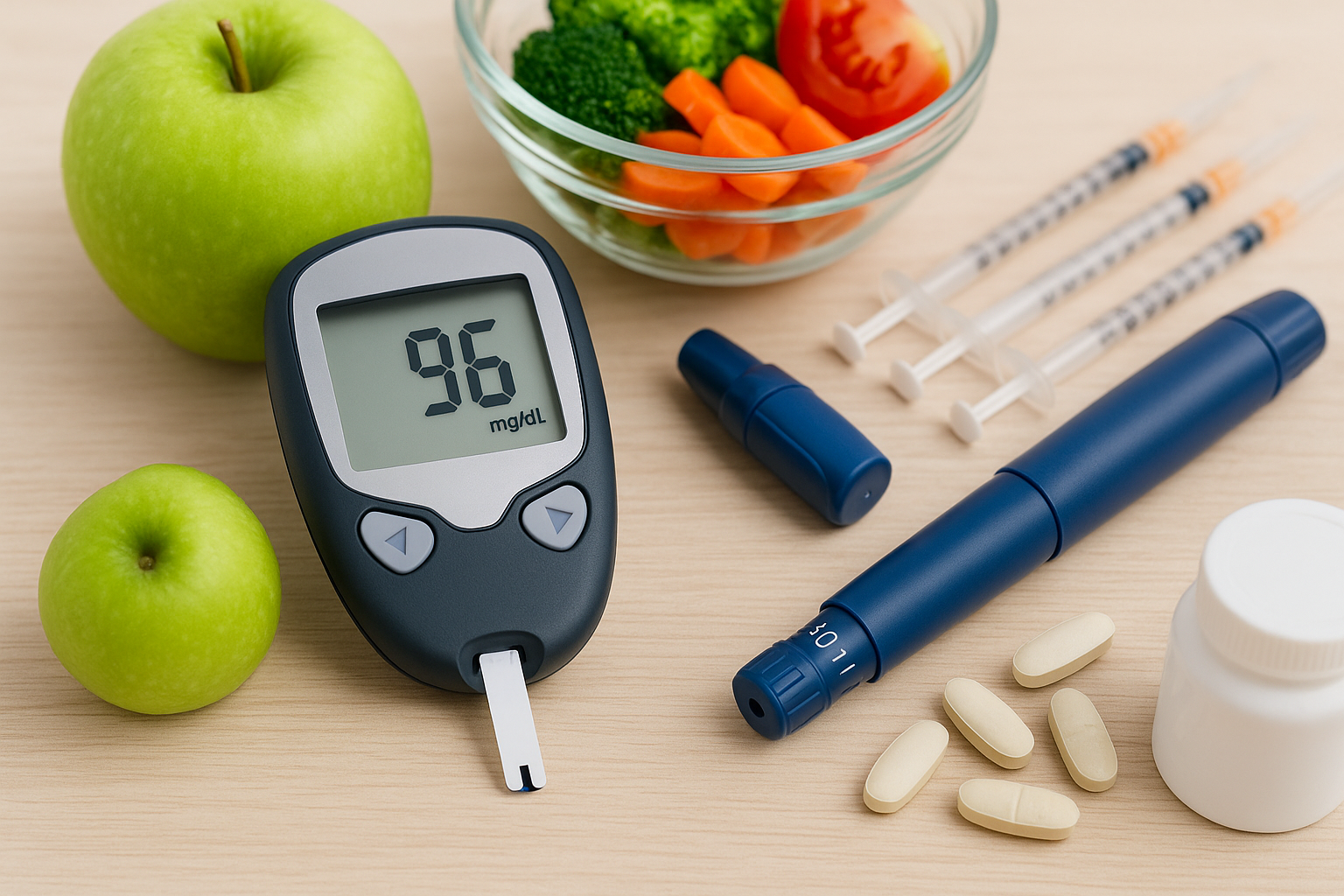
Understanding Diabetes
Diabetes is a chronic condition affecting millions of people worldwide. It occurs when the body is unable to properly use and store glucose, leading to high levels of sugar in the blood. This can result from either insufficient insulin production (as in Type 1 Diabetes) or ineffective use of insulin (as in Type 2 Diabetes). With nearly 537 million adults living with diabetes globally in 2025, this health issue continues to demand significant attention and innovative treatments.
The aim of effective diabetes management is to control blood glucose levels to prevent complications such as heart disease, nerve damage, and kidney problems. Here, we'll explore the top five best treatments for diabetes that are making waves in the medical field and how they can benefit those affected by this condition.
Top 5 Best Treatments for Diabetes
1. Metformin
Metformin remains a cornerstone in the management of Type 2 Diabetes due to its efficacy and safety profile. It works by reducing glucose production in the liver, improving the body’s sensitivity to insulin, and aiding weight management. According to a 2026 study published in the Journal of the American Medical Association (JAMA), metformin not only controls blood sugar but also reduces cardiovascular events, making it a versatile drug of choice for many.
2. GLP-1 Receptor Agonists
GLP-1 receptor agonists, such as Semaglutide and Liraglutide, have transformed diabetes management with their dual ability to lower blood glucose levels and support weight loss. These medications mimic the hormone GLP-1 to increase insulin secretion and slow gastric emptying, which reduces appetite. A recent 2026 clinical trial reported in The New England Journal of Medicine highlighted Semaglutide's effectiveness in not only managing blood sugar but also offering up to 10% body weight reduction in participants.
3. SGLT2 Inhibitors
SGLT2 inhibitors, such as Canagliflozin and Dapagliflozin, function by preventing the kidneys from reabsorbing glucose back into the blood, thereby promoting its excretion through urine. This class of drugs has gained prominence due to added benefits including cardiovascular risk reduction and renal protective effects. According to the 2026 analysis published in The Lancet, these inhibitors have shown promise in enhancing heart and kidney health, pivotal in comprehensive diabetes care.
4. Insulin Therapy
While traditionally used in Type 1 Diabetes management, insulin therapy is also essential for Type 2 Diabetes patients who cannot meet blood sugar targets with oral medications alone. Innovations in insulin delivery, such as continuous glucose monitors (CGMs) and smart insulin pens, are making the process less invasive and more effective. Modern devices provide real-time blood sugar readings and dosing recommendations, thus enhancing adherence and glycemic control.
5. Diet and Lifestyle Modifications
Diet and lifestyle changes are fundamental to managing diabetes and augmenting the efficacy of pharmacotherapies. A balanced diet rich in fiber, lean proteins, and healthy fats, coupled with regular physical activity, can significantly modulate blood sugar levels and improve insulin sensitivity. Emerging data from a 2026 study by the American Diabetes Association emphasize that lifestyle intervention programs focusing on weight loss and exercise can delay the onset and progression of Type 2 Diabetes.
Addressing Common Questions
What Are the Symptoms of Diabetes?
Symptoms of diabetes can include increased thirst, frequent urination, extreme fatigue, blurred vision, and unexplained weight loss. It's vital to consult a healthcare provider if these symptoms persist, as early diagnosis is crucial for effective management.
How Can Technology Support Diabetes Management?
Recent technological advancements have significantly improved diabetes management. Devices like CGMs provide patients with around-the-clock glucose data, which affords better decision-making and proactive management. Additionally, mobile apps for tracking diet and physical activity have become integral to personalized diabetes care plans.
Are There Any Natural Remedies for Diabetes?
While medications and lifestyle changes are primary treatments, some natural remedies can complement diabetes management. Ingredients like cinnamon, berberine, and fenugreek have shown some promise in regulating blood sugar. However, it's important to discuss any natural remedies with your healthcare provider to ensure they are safe and effective for your specific condition.
- Ensure you monitor blood sugar levels regularly.
- Maintain a balanced diet and engage in regular physical activity.
- Adhere to medication schedules as prescribed.
- Keep abreast of new treatments and technologies in diabetes care.
The field of diabetes management continues to evolve with promising treatments and innovations. Stay informed and work closely with healthcare professionals to achieve the best possible outcomes for your diabetes care.