Discover the Top 5 Effective Treatments for Knee Replacement Recovery
Discover the latest advancements in knee replacement, as we explore the top five treatments gaining attention for their potential to enhance recovery. By understanding these cuttingedge techniques, you can better navigate your options for knee replacement.
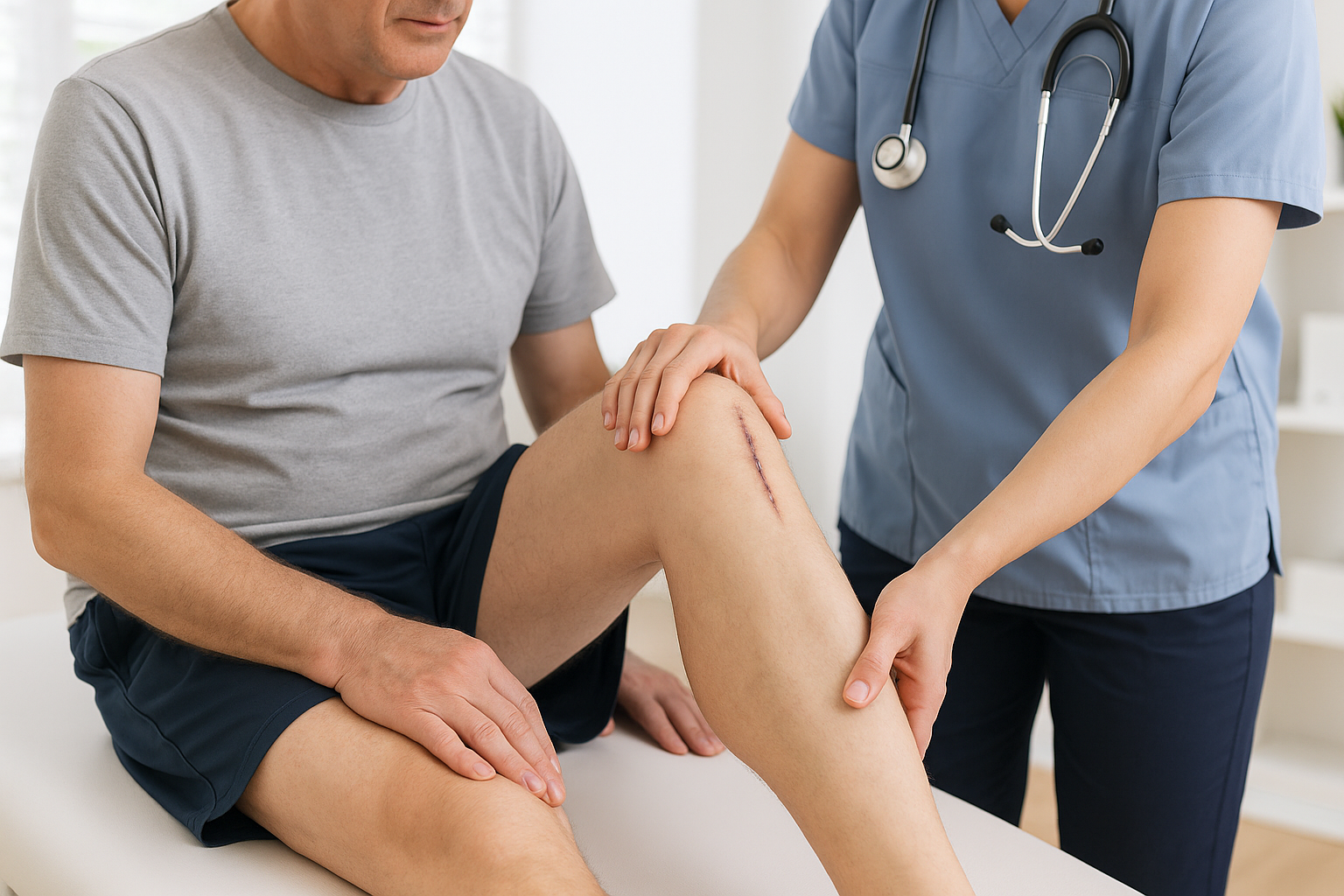
Understanding Knee Replacement: When Is It Needed?
Knee replacement surgery, also known as knee arthroplasty, is a common procedure aimed at alleviating pain and restoring function in severely diseased knee joints. This surgery involves replacing parts of the knee joint with artificial implants. It is typically recommended for individuals with severe knee damage or chronic knee pain that limits everyday activities such as walking, climbing stairs, and even resting.
The primary causes leading to the need for knee replacement surgery include osteoarthritis, rheumatoid arthritis, post-traumatic arthritis, and long-term wear and tear. Patients are often advised to consider knee replacement surgery when non-surgical treatments like medications, injections, physiotherapy, or lifestyle changes offer insufficient relief.
Top 5 Best Treatments for Knee Replacement
1. Total Knee Replacement (TKR)
Total knee replacement is the most common form of knee replacement surgery. It involves replacing the entire knee joint with a combination of metal and plastic components. According to 2026 data from the American Academy of Orthopaedic Surgeons, approximately 90% of patients who undergo TKR experience a significant improvement in pain and function [source].
This procedure is highly effective for those with severe arthritis affecting multiple parts of the knee. Success rates are high, and most patients experience significant reduction in pain and an improvement in everyday activities.
2. Partial Knee Replacement (PKR)
Also known as unicompartmental knee replacement, partial knee replacement is a minimally invasive surgery that replaces only the damaged portion of the knee joint. It is particularly beneficial for patients whose knee damage is limited to one compartment of the knee. In 2026, studies published in the Journal of Orthopaedic Research have shown that PKR can lead to faster recovery times and more natural knee movement post-surgery [source].
Patients opting for PKR experience less postoperative pain and can often return to normal activities sooner than those undergoing total knee replacement.
3. Robot-Assisted Knee Surgery
Robot-assisted knee surgery is an advanced technique that improves the precision of the knee replacement procedure. The robotics system provides real-time data and allows surgeons to make more accurate incisions, leading to better alignment and fit of the knee implants. A 2026 study by The Lancet Digital Health highlights that patients undergoing robot-assisted surgery report lower complication rates and improved outcomes [source].
This method offers a personalized approach to knee replacement and is particularly beneficial for younger, active patients seeking optimal results.
4. Minimally Invasive Surgery
This technique involves smaller incisions than traditional knee replacement surgery, resulting in less tissue damage and quicker recovery times. Minimally invasive knee replacement has gained popularity due to its shorter hospital stays and generally less postoperative pain. Patients benefit from reduced scarring and a lower risk of infection and related complications.
In 2026, Orthopaedics & Traumatology: Surgery & Research journal emphasized that minimally invasive techniques continue to show promise in reducing surgical recovery times without compromising surgical outcomes [source].
5. Custom Knee Replacement Implants
Custom knee replacement implants are tailored specifically to the patient's anatomy using advanced imaging techniques and 3D printing technologies. By ensuring a perfect fit for the patient, these implants enhance joint function and longevity of the knee replacement. As per recent advancements, custom implants have been particularly beneficial for individuals with unique anatomical features or previous surgeries.
A 2026 report in the journal Clinical Orthopaedics and Related Research has shown that these personalized implants result in higher patient satisfaction and a more natural feeling knee post-surgery [source].
Post-Surgery Care and Rehabilitation
Postoperative care is crucial for the success of knee replacement surgery. It includes a combination of physiotherapy, pain management, and gradual return to activities. The rehabilitation process focuses on building strength, improving knee flexibility, and achieving full range of motion.
- Start physiotherapy immediately after surgery to accelerate recovery.
- Maintain a healthy lifestyle to ensure quick healing.
- Follow the exercise regime prescribed by healthcare professionals.
- Regular follow-ups with the surgeon to monitor the progress.
Following these guidelines helps in minimizing the risks of complications and leads to successful knee replacement outcomes.
Conclusion: Choosing the Right Treatment
Choosing the right knee replacement treatment depends on various factors, including the extent of arthritis, age, activity level, and overall health condition. A personalized treatment plan, developed in consultation with an experienced orthopedic surgeon, ensures the best outcomes.
Ultimately, knee replacement treatments continue to advance, offering improved pain relief, enhanced functionality, and a better quality of life for patients. With the latest innovations and strategies, individuals affected by knee problems can look forward to a swift recovery and return to normalcy.