Discover the Top 5 Most Funded Paramedic Courses in the UK for Career Success
Discover incredible opportunities with the top 5 funded paramedic courses in the UK. These programs offer aspiring paramedics a unique chance to advance their skills without the financial burden.
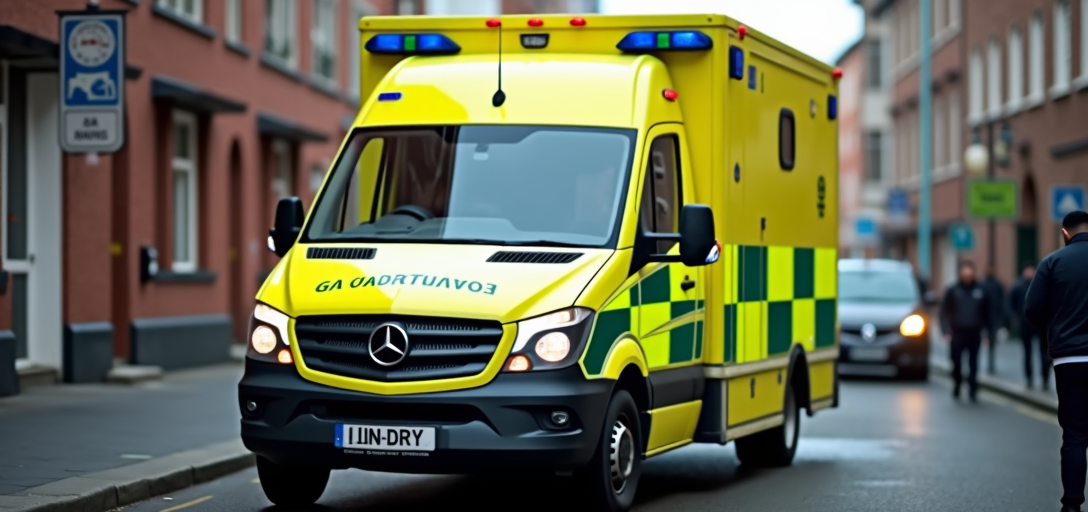
Understanding Funded Paramedic Courses in the UK
The field of paramedicine is essential in ensuring that emergency medical services are delivered effectively. However, the journey to becoming a certified paramedic can be financially demanding. Recognizing this, several funded courses in the UK have been designed to alleviate the financial burden and encourage more participants to join this vital profession.
What Are Funded Paramedic Courses?
Funded paramedic courses are educational programs that offer financial assistance covering part or all of the tuition fees. These funds may come from government bodies, educational grants, or the NHS, aiming to support aspiring paramedics.
Why Is Funding Important for Paramedic Training?
Education costs in the UK have been rising steadily, and the paramedic field is no exception. By providing funding, these courses ensure that financial barriers do not prevent individuals from pursuing a career in emergency medical services. Additionally, funding attracts a diverse range of candidates and helps address the shortage of trained paramedics in the healthcare system.
Top 5 Funded Paramedic Courses in the UK
Here are the top five funded paramedic courses in the UK that prospective students can apply to in 2026:
1. University of Hertfordshire - BSc (Hons) Paramedic Science
- NHS Learning Support Fund available for eligible students.
- Students can apply for additional support such as the Paramedic Retention and Graduation bursary.
- Course emphasizes hands-on learning with placement opportunities across various health settings.
The University of Hertfordshire's course is known for its practical approach and state-of-the-art facilities. You can find more details about their program on their official website.
2. Glasgow Caledonian University - BSc Paramedic Science
- Funding through the SAAS for qualifying Scottish students.
- Offers a comprehensive course that spans all aspects of paramedic skills and knowledge.
- Strong focus on public service and patient care ethics within the curriculum.
Glasgow Caledonian University offers a diverse program centralizing interpersonal skills and clinical knowledge essential for a paramedic. Additional details are available on their course page.
3. Coventry University - BSc (Hons) Paramedic Science
- Access to funding from the NHS Learning Support Fund.
- Scholarships available for high-achieving students.
- Partnerships with local NHS trusts enhance practical training opportunities.
Coventry University's course is designed to develop both theoretical knowledge and practical skills, crucial for modern paramedics. Discover more through their course webpage.
4. University of Plymouth - BSc (Hons) Paramedic Practitioner
- Part of the NHS Long Term Plan for professional healthcare education funding.
- Emphasis on innovative technology in paramedic practice.
- Provides a holistic approach including community healthcare strategies.
University of Plymouth's course embraces cutting-edge technology in paramedic training, aiming to produce adaptable healthcare professionals. Additional information can be found on their site.
5. University of West London - BSc (Hons) Paramedic Science
- Eligibility for funding through the Health Education England initiative.
- Focus on preparing students for broad spectrum paramedic roles in the NHS.
- Incorporates leadership and management training aspects.
The University of West London provides a well-rounded education in paramedic sciences, preparing students to become leaders in their field. Learn more on their program page.
Frequently Asked Questions
How Do I Apply for a Funded Paramedic Course?
Application processes vary by institution but generally involve applying through UCAS and demonstrating eligibility for funding through separate applications. Ensure to check the requirements and deadlines on each university’s official website.
What Qualifications Do I Need?
Most universities require A-levels or equivalent qualifications in biological sciences or health-related subjects. Specific requirements may vary, and some courses might require prior experience or certifications in emergency care.
What Career Opportunities Are Available After Graduation?
Graduates of paramedic courses commonly find employment within NHS ambulance trusts. Opportunities also exist in private healthcare, air ambulance services, and international rescue missions. Continuous professional development can lead to advanced roles in clinical practice or management.
Conclusion
Pursuing a career as a paramedic can be both rewarding and challenging. With funded programs available across the UK, financial constraints are reduced, allowing more individuals to enter this crucial field. These courses not only provide financial relief but also ensure a high standard of training, vital for effective healthcare delivery.