Discover the Top 5 Tires That Enhance Fuel Efficiency
Unlock serious savings and drive further with the best tires for fuel efficiency. Discover today which options might fit your car and driving habits, as we explore these five top contenders. The right tires could make a difference in your fuel economy, enhancing your journey.
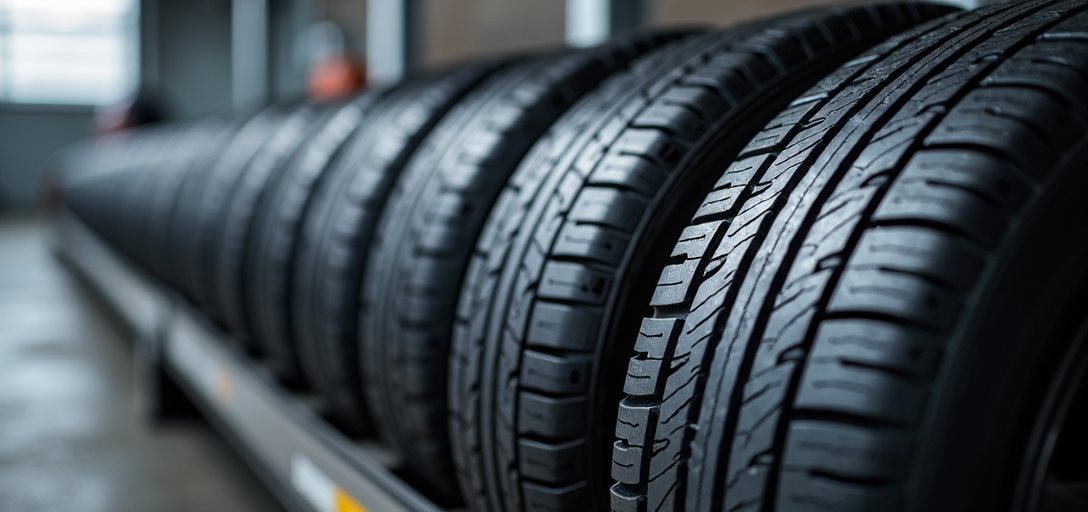
Understanding Fuel Efficiency and Why Tires Matter
For many drivers, fuel efficiency isn't just a buzzword—it's a critical factor in maintaining both cost-efficiency and environmental consciousness. The type of tires you equip your vehicle with can significantly impact fuel usage. This is because tires directly influence the rolling resistance, which determines how easily your vehicle can move. Lower rolling resistance means less fuel consumption.
In 2026, statistics from the U.S. Department of Energy highlight that improving tire efficiency by 10% can lead to a 1-2% increase in overall fuel economy for passenger vehicles. Given the rising fuel prices and environmental concerns, adopting fuel-efficient tires is a smart move for both your wallet and the planet.
The Top 5 Tires for Fuel Efficiency in 2026
Let's dive into the five best tires currently recommended for superior fuel efficiency. Each tire has been evaluated based on its rolling resistance, durability, and overall performance.
1. Michelin Energy Saver A/S
Michelin has long been a leader in the tire industry, and the Energy Saver A/S is a testament to their innovation. Its silica-based tread compound is specifically designed to reduce rolling resistance, thereby enhancing fuel efficiency. Consumer reviews and professional tests indicate that this tire can improve fuel economy by about 2-3% compared to standard all-season tires.
2. Bridgestone Ecopia EP422 Plus
The Bridgestone Ecopia EP422 Plus utilizes advanced LRR (Low Rolling Resistance) technology. It's particularly favored for its wet handling and longevity, proving that efficiency doesn't have to compromise safety or comfort. Research from Consumer Reports in 2026 places this tire as a top contender due to its balance between fuel efficiency and overall performance.
3. Goodyear Assurance Fuel Max
This model from Goodyear promises to save drivers up to 2,600 miles worth of gas over the tire's lifetime. The special Fuel Max technology minimizes energy lost through heat, maintaining traction and comfort. According to a recent analysis by Tire Rack, the Goodyear Assurance Fuel Max is ideal for those who prioritize both efficiency and affordability.
4. Continental PureContact LS
The PureContact LS features EcoPlus Technology, focusing on sustainable resources while maintaining excellent performance. This tire is noted for its outstanding wet braking capabilities and impressive quiet ride. It also comes with a 70,000-mile treadwear warranty, making it a reliable choice for the eco-conscious driver.
5. Pirelli Cinturato P7 All Season Plus II
With a design that specifically targets the North American market, the Pirelli Cinturato P7 is fashioned for lower rolling resistance and enhanced fuel economy. Its high sipe density and unique compound formulations contribute to reliable performance in various weather conditions. This tire exemplifies Pirelli's commitment to sustainability and innovation.
Factors Influencing Tire Fuel Efficiency
Rolling Resistance
Rolling resistance is the energy lost as a tires' tread passes through the contact patch on the road. It accounts for approximately 20% of a vehicle's overall energy loss. Choosing tires with lower rolling resistance results in less drag, thereby improving fuel efficiency.
Proper Tire Inflation
Maintaining the correct tire pressure is vital for optimizing energy efficiency. Underinflated tires create more surface area contact, thus increasing resistance. Regularly checking and adjusting your tire pressure can prevent unnecessary strain and fuel wastage.
Tread Design and Rubber Compounds
Modern fuel-efficient tires feature advanced tread designs and rubber compounds that strike a balance between durability and rolling efficiency. For example, incorporating silica in the tread helps reduce heat build-up, thereby enhancing performance and efficiency.
Maximizing Tire Effectiveness and Lifespan
Aside from selecting fuel-efficient tires, drivers should consider practices to maximize overall effectiveness and lifespan. Regular alignment checks, routine inspections for wear and damage, and rotating tires according to the manufacturer’s guidelines can contribute to better performance and increased fuel savings.
Conclusion
Investing in fuel-efficient tires is a strategic decision for both economic and environmental benefits. Each of the recommended tires brings unique strengths to the table, catering to different driving needs and preferences. Whether you choose Michelin, Bridgestone, Goodyear, Continental, or Pirelli, transitioning to more fuel-efficient wheels can lead to significant fuel savings and a reduced carbon footprint.
To explore more about how tire selections impact fuel efficiency, check out these resources: