Discover the Top 7 UK Universities with Flexible Entry Requirements
Discover the top 7 UK universities renowned for their flexible entry requirements! Whether you're seeking diverse academic pathways or progressive admissions criteria, these institutions might just offer the adaptable approach you need.
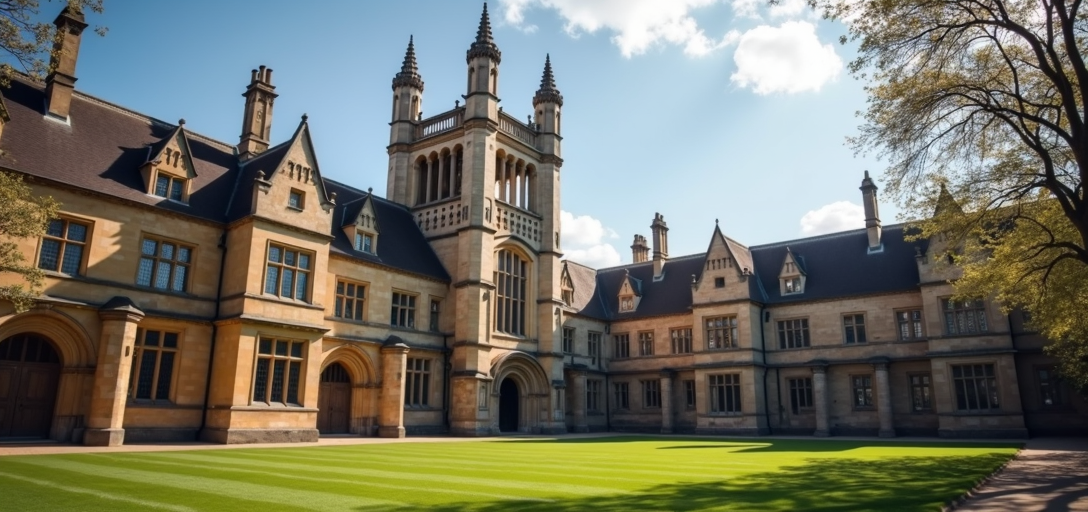
The Landscape of UK Universities with Flexible Entry Requirements
In recent years, a growing number of UK universities have begun to offer more flexible entry requirements. These adaptations have opened doors for a wider range of students, including those with unconventional educational backgrounds, mature learners, and international students. Understanding which universities offer such flexibility and the types of accommodations they provide is crucial for prospective students navigating their educational journeys in the UK.
What Are Flexible Entry Requirements?
Flexible entry requirements typically indicate adjustments in admission criteria that universities implement to accommodate non-traditional educational backgrounds. These adjustments might include:
- Lowered grade requirements for entry courses.
- Consideration of work experience or extracurricular achievements in place of specific academic qualifications.
- Recognition of unconventional or alternative qualifications, such as BTECs or Access to HE diplomas.
- Pathway programs allowing students to enter degree courses after successful completion.
Such flexibility aims to provide a more inclusive educational environment, fostering a diverse student body and tapping into a variety of perspectives.
Top 7 UK Universities with Flexible Entry Requirements
Here are seven UK universities known for their flexible entry requirements, designed to accommodate diverse student backgrounds.
1. The University of Bristol
The University of Bristol has made significant strides in providing flexible entry routes, particularly through its Foundation Year programs. These are designed for students who do not meet the standard qualifications but show potential through other achievements. Further information can be found on their official foundation course page.
2. The Open University
Renowned for its commitment to accessibility, The Open University offers an array of flexible pathways to education. Its open admissions policy means that students can begin their education without traditional formal qualifications, allowing exploration in a low-pressure environment. Additional details are available at their course offerings page.
3. University of Edinburgh
The University of Edinburgh’s Access Programme is specifically tailored to mature students and those returning to education. This program prepares students for degree-level study and provides an entry route into various courses. Explore the program on their official page.
4. University of Southampton
The University of Southampton offers flexible entry through multiple foundation year options for international and domestic students. This allows a gentle progression into university study for those needing additional preparation. Reliable information can be found on their foundation year course page.
5. London South Bank University
London South Bank University frequently reviews and adjusts its entry requirements to reflect students' varied experiences. The university’s inclusive admissions policy promotes consideration based on vocational qualifications and life experience.
6. University of Manchester
The University of Manchester, through its Manchester Access Programme, extends flexible entry criteria aimed at under-represented groups who demonstrate academic potential. This is part of a broader commitment to widening participation and access, details of which can be found on their access programmes page.
7. Sheffield Hallam University
With a strong emphasis on practical and student-centered learning, Sheffield Hallam University provides multiple foundation and access courses. These pathways help in smoothing the transition for students from various educational journeys. More can be gleaned from their foundation courses section.
The Benefits of Flexible Entry Requirements
The offerings of flexible entry requirements benefit students in several ways:
- Diverse learning environments: Students from different backgrounds contribute to a rich educational tapestry, enhancing learning experiences for everyone.
- Opportunity for professional growth: Those with non-academic accomplishments or extensive work experience can gain access to higher education to advance their careers.
- Increase in higher education participation: Increased accessibility leads to greater numbers of students entering higher education, contributing positively to society.
Challenges and Considerations
While flexible entry requirements present numerous advantages, they also come with challenges. Institutions must balance maintaining academic standards with widening participation. Students should consider:
- Preparation levels: Identify whether additional preparatory courses may be necessary to bridge potential knowledge gaps.
- Support systems: Assess the availability of academic support services, such as tutoring or counseling, to aid with transition stress.
Conclusion
As universities continue to adapt their entry requirements to better serve a diverse student body, prospective applicants should explore these options thoroughly to identify pathways that align best with their personal and academic goals. Whether you’re a mature student, an international student, or someone holding non-traditional qualifications, understanding these opportunities will be key to one’s success in higher education.